
Sleep can feel simple until a child starts having trouble with it. Maybe your child cannot fall asleep at bedtime, wakes often during the night, snores loudly, or seems tired even after a full night in bed. For parents, one of the hardest parts is figuring out whether this is just a rough phase, a habit that needs adjusting, or a possible sleep disorder that deserves more attention.
Many sleep concerns are common in childhood. Some are related to routines, stress, or poor sleep habits. Others may be linked to a medical issue, breathing changes during sleep, or a pattern that keeps a child from getting enough rest. What matters most is not just how the nights are going, but how your child seems during the day and whether the problem keeps coming back.
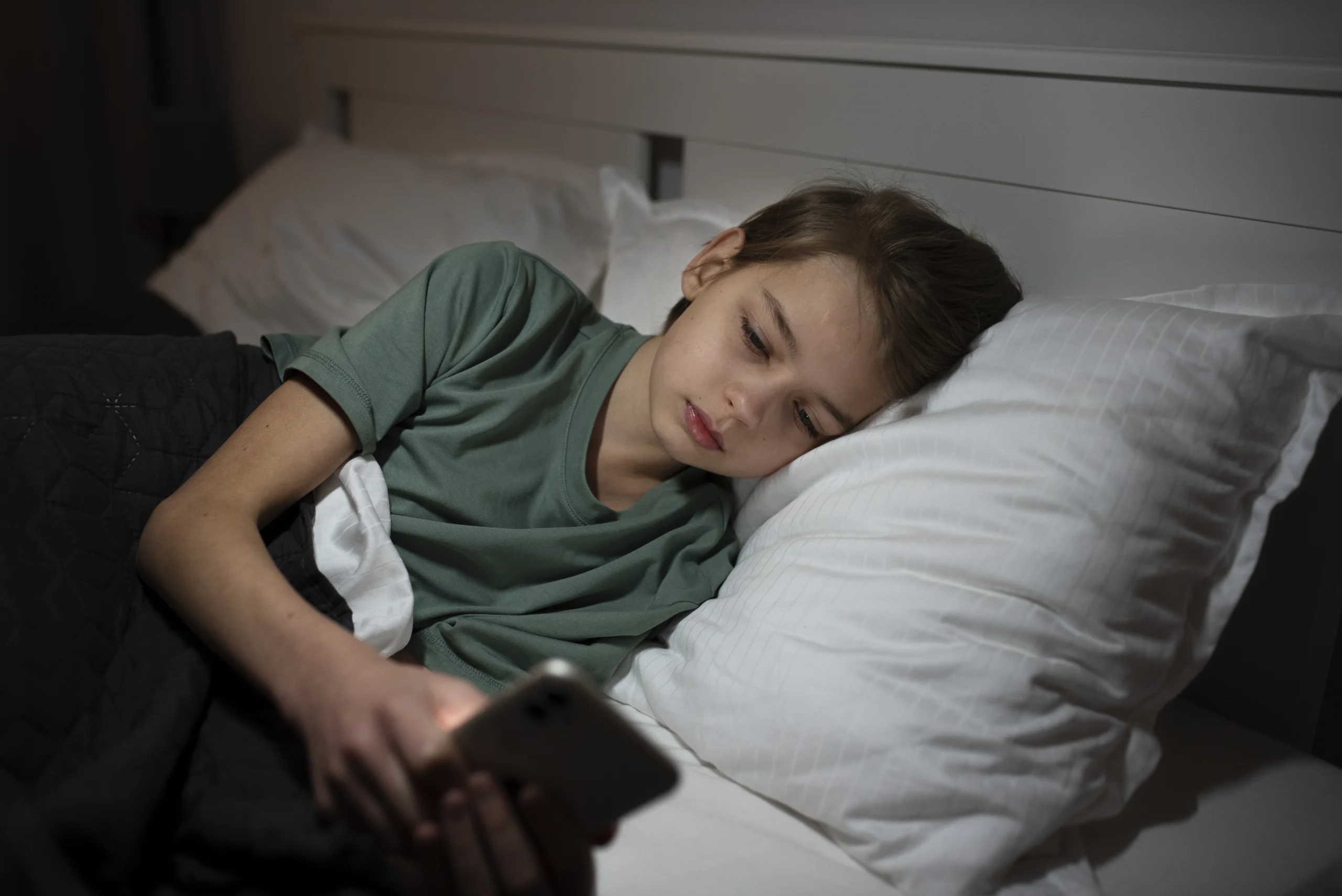
You May Notice
- trouble settling down at bedtime
- taking a long time to fall asleep
- waking often overnight
- loud snoring
- restless sleep
- daytime irritability or tiredness
- trouble waking up in the morning
- behavior changes linked to poor sleep
Some sleep problems are short-lived. Others may last longer and begin to affect mood, focus, school, or family routines. Younger children may struggle with fears, sleep terrors, or early waking. Older children and teens may have a harder time falling asleep on time, especially if their body clock has shifted later.
When Symptoms Seem Mild
Many families start by looking at routines. A child’s sleep environment, screen time, daily schedule, and evening habits can all affect how easily they fall asleep. When symptoms seem mild, parents often begin by creating a calmer bedtime routine and watching for patterns.
That may include:
- keeping bedtime and wake time consistent
- limiting screens before bed
- creating a calm, dark sleep space
- avoiding caffeine later in the day
- making sure your child gets enough activity during the day
These steps may support better sleep, especially when the issue is tied to routine or insufficient sleep.
Why the Full Picture Matters
The full picture matters because not all sleep problems in children come from the same cause. Some children have a schedule issue, such as delayed sleep phase syndrome, where they do not feel sleepy until much later than expected. Others may have breathing issues, such as obstructive sleep apnea, which can lead to restless sleep, snoring, or pauses in breathing during sleep.
There are also other types of sleep disorders that can affect rest. A movement disorder such as periodic limb movement disorder may cause frequent leg movement during sleep. Some children may have sleep talking or other nighttime behaviors that sound dramatic but are more common in children than parents expect.
Looking at the whole picture can help parents notice whether a child simply has changing sleep patterns or whether a more specific sleep disorder may be involved. It also helps to notice how sleep is affecting the daytime. Is your child tired, moody, struggling to focus, or harder to wake in the morning? Those clues matter too.
When Parents Want More Than Reassurance
For many parents, the hardest part is not just getting through a rough night. It is trying to figure out whether the problem is something a child may outgrow or whether it may need more attention. Parents may wonder if the issue is connected to bedtime struggles, snoring, anxiety, or another sleep concern that should be looked at more closely.
That is where professional guidance can be helpful. A provider may ask about nighttime patterns, breathing, daytime tiredness, routines, and any changes in behavior or sleep habits. In some cases, families may be asked to keep a sleep diary or share a more complete sleep history. If the pattern suggests something more involved, a child may be referred for pediatric sleep evaluation or seen by a sleep specialist.
In some situations, a provider may recommend a sleep study to better understand breathing, movement, and sleep patterns overnight. This can be especially helpful when there is concern about a condition such as obstructive sleep apnea.
Support at Home Matters, but So Does Guidance
Good routines matter, and many families can improve a child’s rest by working on healthy habits at home. Still, sleep is not always just about routine. Some pediatric sleep disorders need more than a schedule change, especially when symptoms keep returning or start to affect a child’s well-being.
If your child has ongoing snoring, repeated trouble to get to sleep, frequent waking, or daytime problems tied to poor sleep, it is reasonable to ask questions. The right support can help families better understand what may be going on and what kind of care may help a child sleep better. For parents, that guidance can make bedtime feel less frustrating and a good night’s sleep feel more possible again.