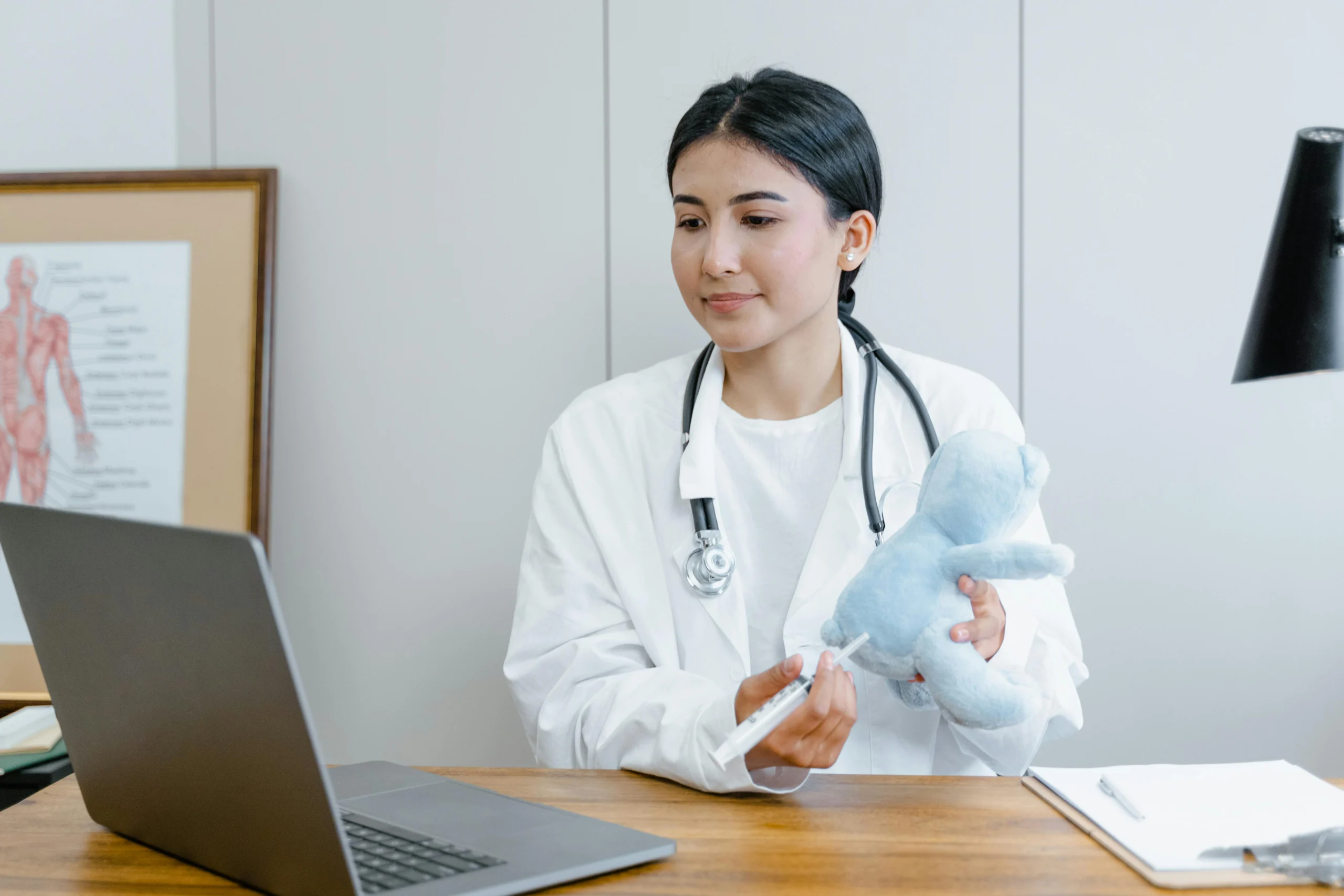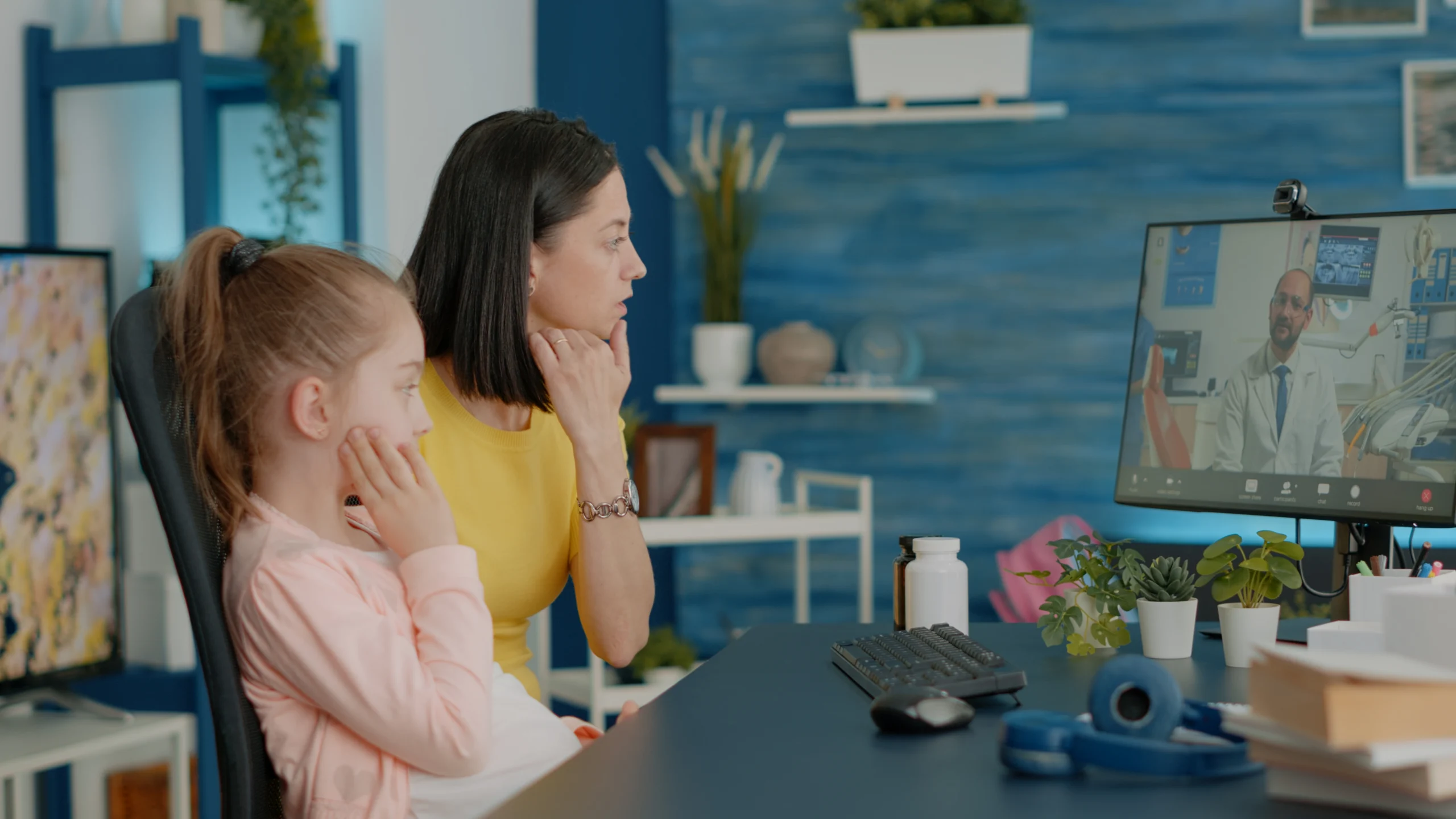
For families living in rural areas, getting medical care is not always simple. A child may need to travel a long distance for a sick visit, a follow-up appointment, or a visit with a specialist. In many homes, the challenge is not just the illness itself, but the time, distance, transportation, and scheduling needed to get help. That is one reason telehealth has become such an important way to improve access for children and their families.
Why Access Can Be Harder in Rural Areas
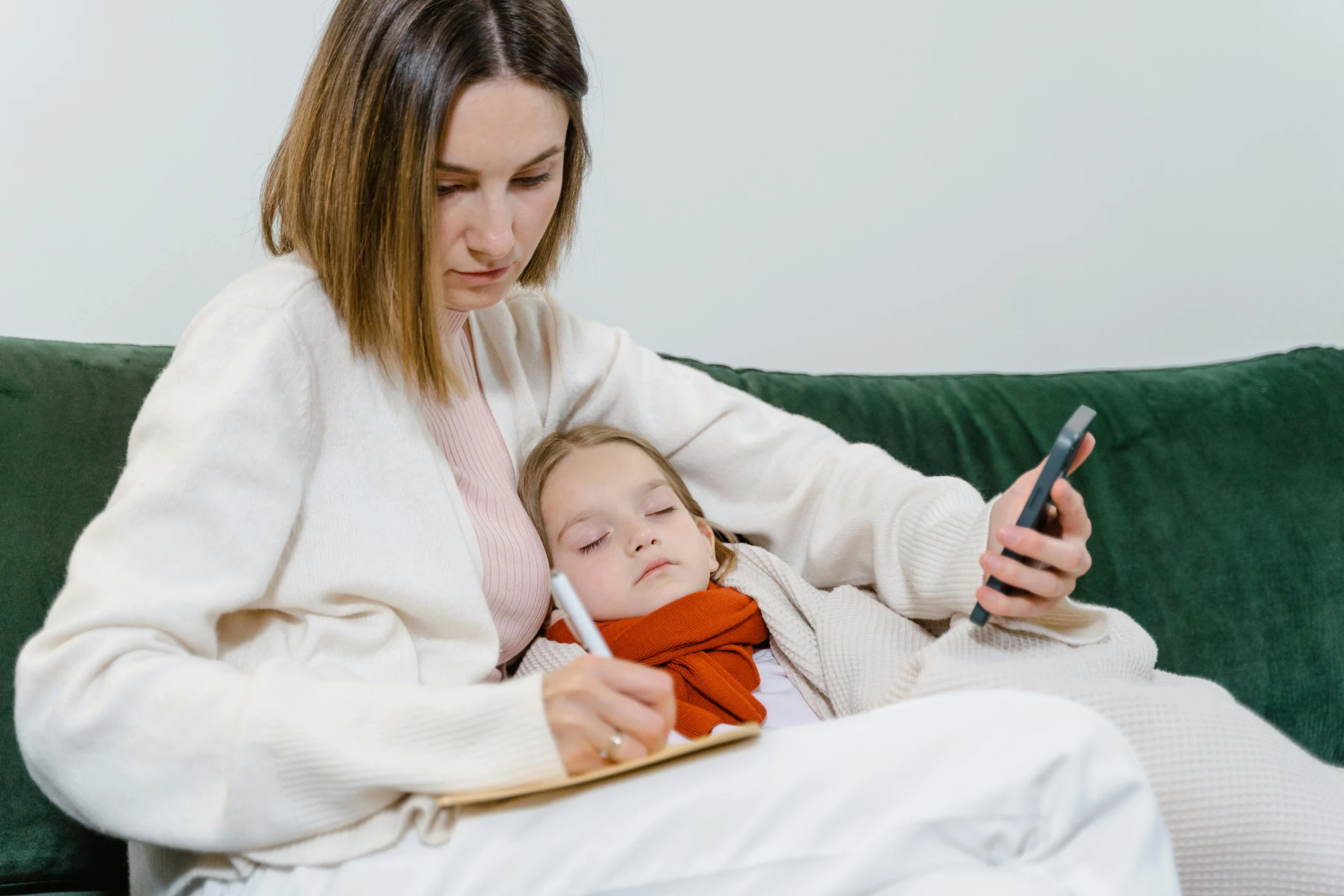
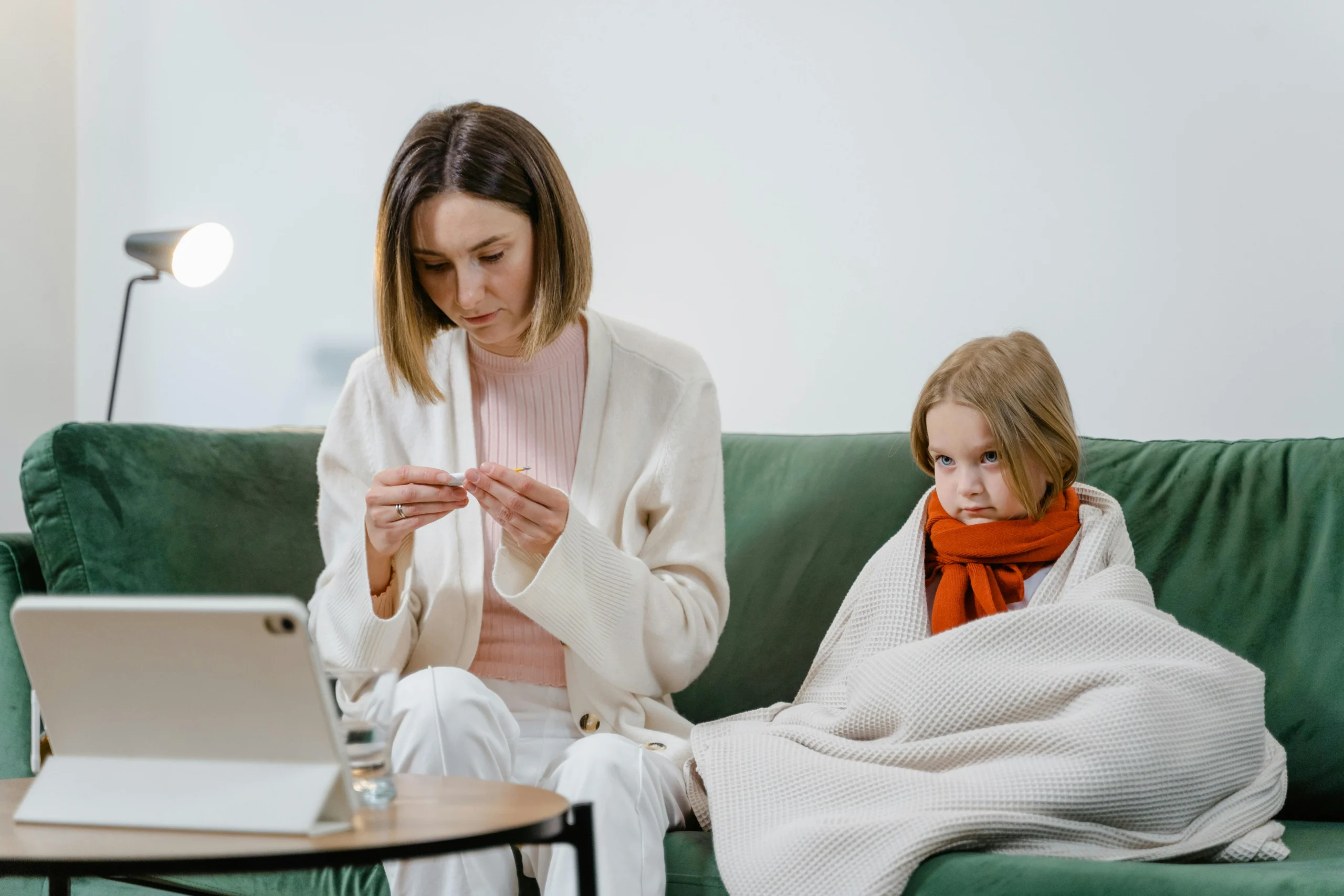
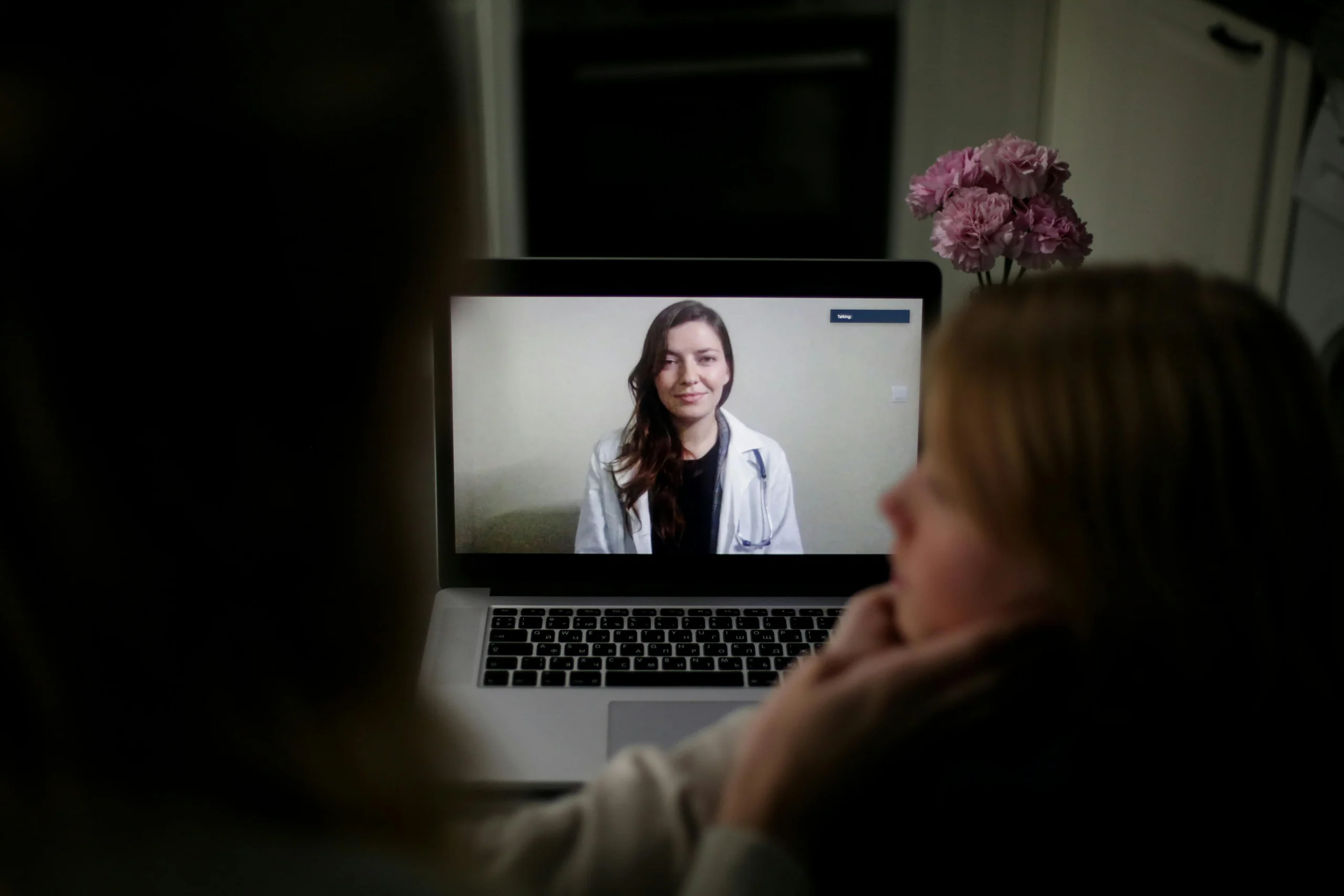
For many parents, the value of telemedicine is practical. It can help a family connect with pediatric support from home when a child is sick, when questions come up, or when follow-up care is needed. In places where local options are limited, telehealth can help bridge some of the distance between families and the care they need.
Families living in rural areas often face more than one barrier to care. The nearest clinic may be far away. A parent may need to take time off work. School schedules, weather, and transportation can all make access to care harder. In some communities, there may also be fewer local pediatric providers, fewer options for primary care, and limited specialty care close to home.
How Telehealth Can Help
This is where telehealth can make a meaningful difference. By making it easier to connect with a provider from home, families may be able to improve access to both everyday and more specialized support. That can include sick visits, follow-up discussions, medication questions, and some types of consultation that do not always require an in-person exam.
Online pediatric care can help with:
- common childhood illnesses
- follow-up questions after a recent visit
- medication or treatment check-ins
- some behavioral health concerns
- guidance when a child’s symptoms change
- help deciding whether an in-person visit is needed
This can give families a more convenient way to access different kinds of pediatric support without always needing to travel for care.
When Telehealth Works Best
Not every concern can be managed through telemedicine, and some children still need in-person evaluation. Hands-on exams, emergency symptoms, and more serious conditions may still require a local doctor, urgent care, or hospital visit. But many routine concerns, follow-ups, and parent questions can still be handled this way.
That is why many people see the role of telemedicine as one of bridging the healthcare gap, not replacing all local care. It can help connect families in remote areas to healthcare services that may otherwise feel difficult to reach.
For families living in smaller towns or underserved areas, that can mean better healthcare access, more timely support, and a clearer path to the right next step.
Support Close to Home Still Matters
Telehealth works best when it supports, not replaces, local care. Families still benefit from strong local primary care practices, school nurses, nearby health services, and community resources. But when distance becomes a challenge, pediatric telehealth can help fill in some of the gaps.
This can be especially valuable in communities where care is harder to reach. It gives families another way to stay connected to pediatric support when follow-up or routine guidance is needed.
A More Connected Option for Rural Families
For parents who live far from care, even simple health concerns can feel harder to manage. Telehealth in rural healthcare offers a practical way to connect families with trusted guidance while reducing some of the burden that comes with distance.
Online expert care can help bridge gaps in care, support children in rural communities, and make it easier for families to reach the services they need. For parents, that can mean less stress, easier access, and more confidence in knowing where to turn when a child needs help.
This is for educational purposes only and not a diagnosis or treatment plan.