
A certain amount of worry is normal for children. New situations, school changes, bedtime fears, or being away from a parent can all bring up stress. But there are times when anxiety in children starts to feel more constant, more intense, or harder for a child to manage. That is often when parents begin to wonder whether this is a passing phase or something that deserves a closer look.
A child who is experiencing anxiety may not always say, “I feel anxious.” Instead, it may show up through behavior, physical complaints, sleep changes, or strong reactions to everyday situations. The goal is not to label every fear as an anxiety disorder, but to notice when fear and worry seem to be getting in the way of daily life.
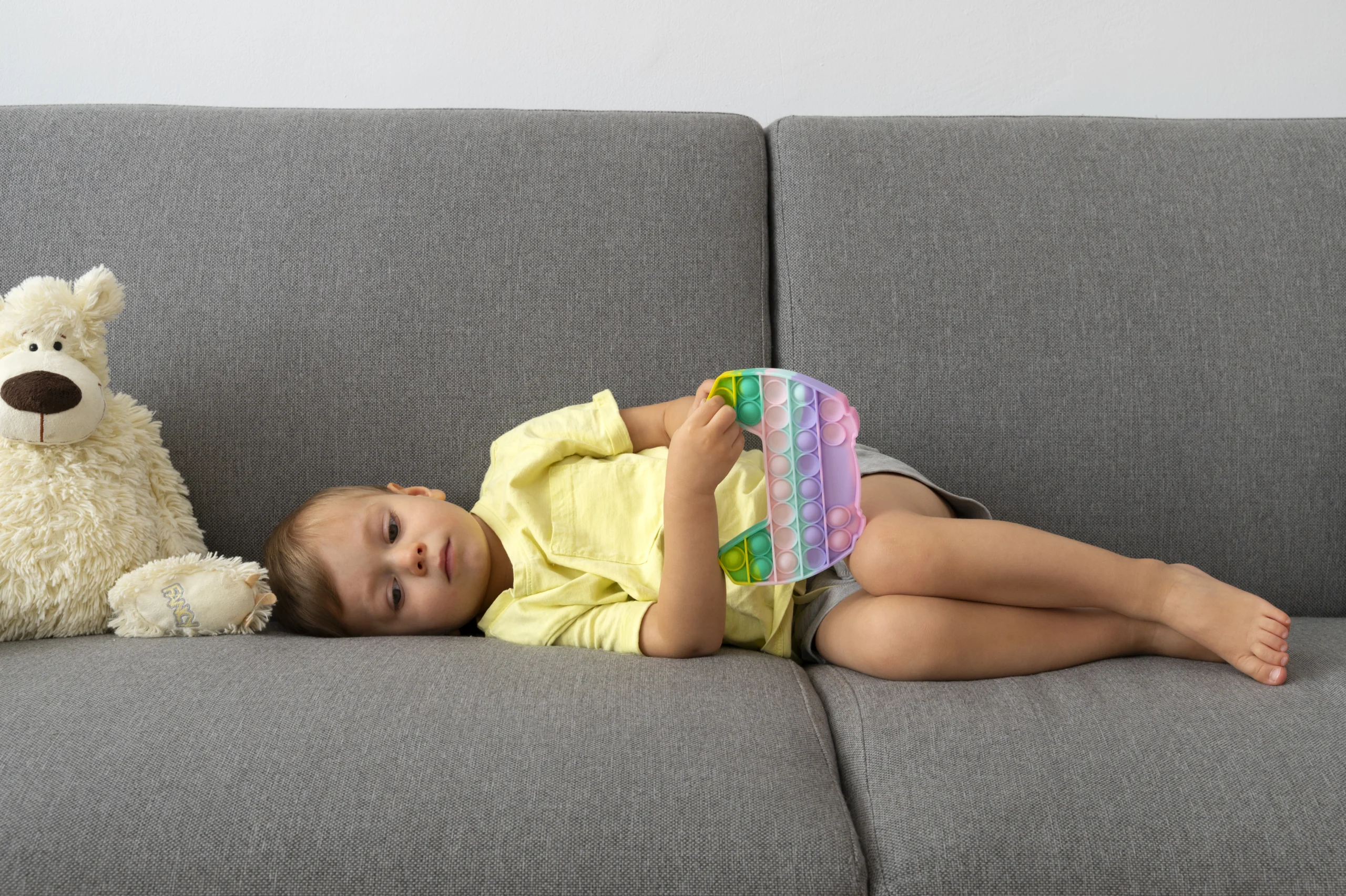
You May Notice
- trouble separating from a parent
- frequent stomachaches or headaches
- sleep struggles or bedtime fears
- avoiding school or certain activities
- becoming very upset in new or unfamiliar settings
- strong fear in social situations
- needing repeated reassurance
- irritability, clinginess, or meltdowns
These can be some of the signs of anxiety parents notice first. In younger children, anxiety symptoms may look more physical or behavioral. In older children, worry may center more on school, friendships, performance, or social situations. A child with anxiety may seem unusually tense, overly cautious, or easily overwhelmed.
When Worry Starts to Affect Daily Life
Many children go through stages of fear or hesitation, and that does not always mean something is wrong. Separation anxiety can be part of normal development in younger children. A child may also feel nervous before a test, a performance, or even going to the doctor.
What matters is whether the symptoms of anxiety are becoming frequent, intense, or hard to move past. A child may begin avoiding things they used to do, needing more reassurance than usual, or having a harder time calming down. When anxiety becomes disruptive at home, in school, or in relationships, parents may start to feel that the worry is becoming bigger than the moment itself.
Why the Full Picture Matters
The signs and symptoms of anxiety can look different from one child to another. Some children become quiet and withdrawn. Others become irritable, tearful, or oppositional. There may also be physical symptoms of anxiety, such as stomach pain, headaches, restlessness, or trouble sleeping.
There are also different types of anxiety disorders. Some children struggle more with social anxiety. Others may show patterns more consistent with generalized anxiety, separation anxiety disorder, or even panic disorder. Not every anxious child has a diagnosable condition, but looking at the full picture can help families better understand whether a child may need support.
Parents may also notice that anxiety and other mental health concerns can overlap. A child dealing with ongoing stress may also show changes in mood, confidence, or behavior. That is one reason why early attention matters.
When Parents Want More Than Reassurance
Often, the hardest part is not just seeing a child struggle with fear and anxiety. It is trying to figure out when that worry is still within the range of what may be normal for children and when to seek help for child anxiety.
Parents may start asking questions like:
- Is this more than ordinary stress?
- Is my child’s worry getting worse?
- Is it affecting school, sleep, or friendships?
- Does my child need more support than I can give at home?
This is where guidance can help. A provider can look at the pattern of your child’s anxiety, talk through the child’s symptoms, and help decide whether your child may need added support. In some cases, a child may be referred for behavioral health services or child and adolescent psychiatry. In others, parents may simply need practical ways to support coping and reduce stress at home.
Support at Home Matters, but So Does Guidance
Helping children through worry starts with patience, connection, and paying attention to patterns. Parents can help your child by keeping routines steady, listening without dismissing fears, and finding calm ways to respond when emotions run high. Small steps matter. So does helping children feel safe enough to talk.
When anxiety starts to feel more disruptive, treatment for anxiety may be worth discussing. Depending on the child and situation, support may include therapy, parent guidance, school support, or an evidence-based treatment such as cognitive behavioral therapy. The treatment of anxiety is not one-size-fits-all, but early support can make a real difference.
If you think your child’s fear or worry is becoming harder to manage, it is reasonable to ask questions. Parents do not have to figure out childhood anxiety disorders on their own. The right guidance can help families better understand what they are seeing and what may help next.
This is for educational purposes only and not a diagnosis or treatment plan.