For most of medical history, a child born deaf due to a specific genetic mutation had one primary path forward: a cochlear implant. That changed on April 23, 2026.
On that date, the FDA granted approval to Otarmeni, a first-of-its-kind treatment developed by Regeneron that marks the first gene therapy ever authorized in the United States specifically for inherited hearing loss. The approval was fast-tracked under the FDA’s Commissioner’s National Priority Voucher pilot program and issued just 61 days after the application was filed, a timeline that reflects just how significant this treatment is considered to be by federal health regulators.
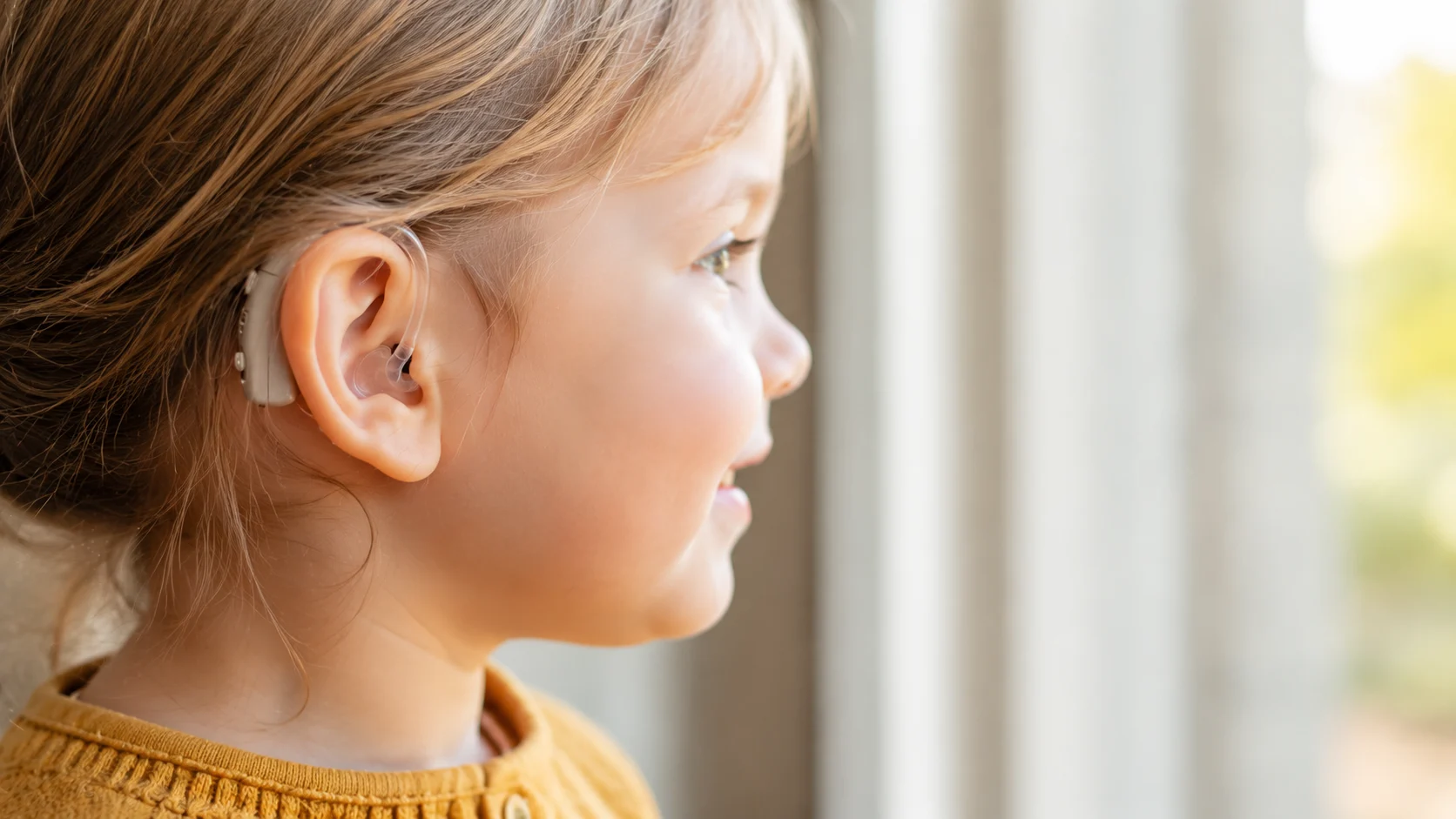
The children Otarmeni is designed to help share a very specific diagnosis. Their deafness stems from a mutation in the OTOF gene, which under normal circumstances instructs the body to produce a protein called otoferlin. That protein acts as a messenger inside the inner ear, relaying sound signals from specialized hair cells to the auditory nerve and onward to the brain. Without functioning otoferlin, the ears can technically pick up sound but the message never arrives. The condition affects an estimated 50 newborns in the United States each year and accounts for a notable share of cases where a child is born deaf with no other accompanying health complications.
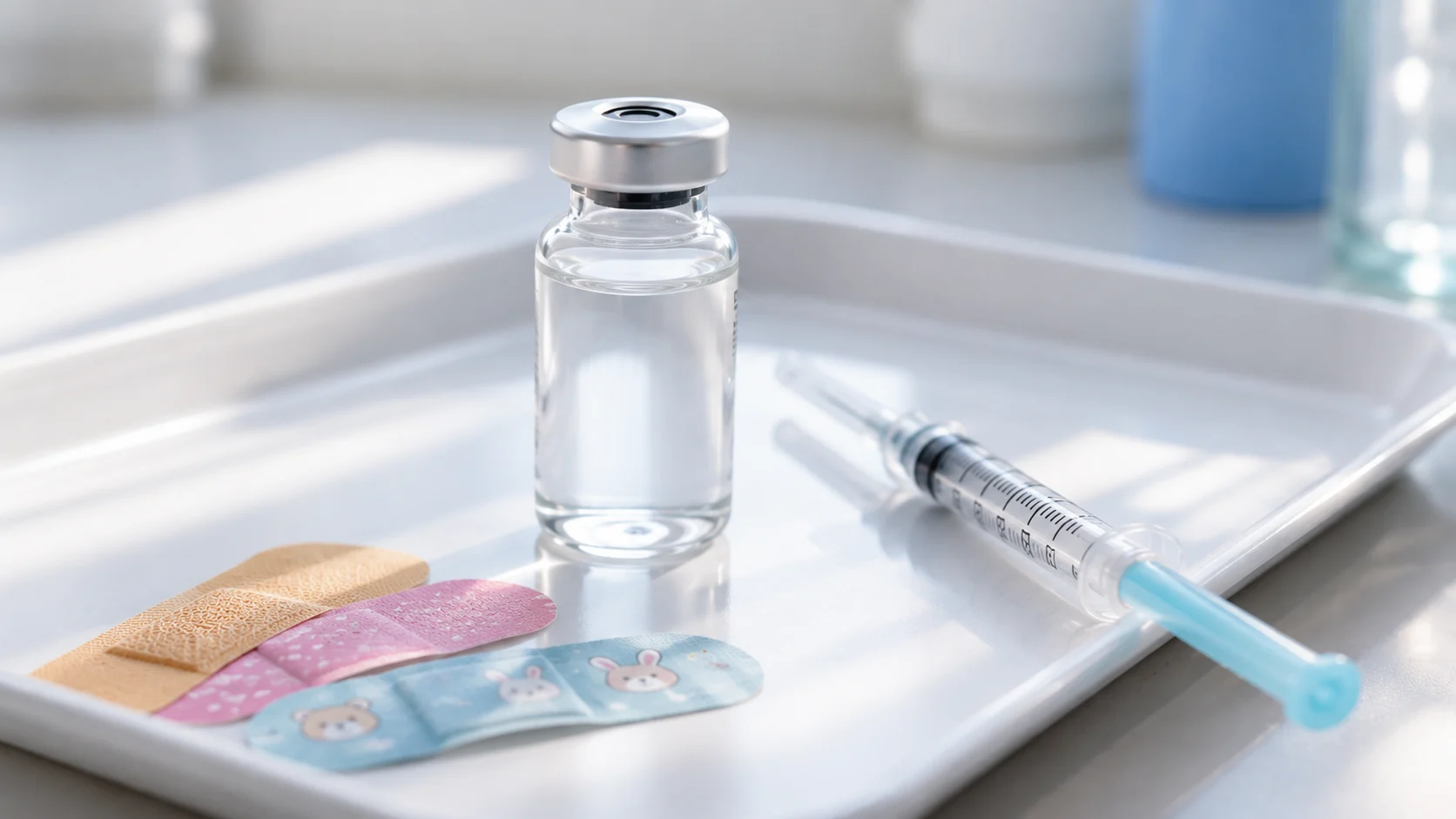
What makes the treatment so remarkable is its approach. Otarmeni is delivered as a single, one-time surgical infusion directly into the inner ear. It works by using a specially engineered viral carrier to transport a healthy, working copy of the OTOF gene into the cochlear hair cells that need it. Once those cells have the correct genetic instructions, they begin producing otoferlin on their own, rebuilding from within a sound pathway that was never functional to begin with. Unlike a cochlear implant, which requires external hardware and ongoing maintenance, this approach works continuously from within the body’s own biology.
The clinical data behind the approval is striking. In a trial involving children ranging from infants under a year old to teenagers, four out of every five participants showed meaningful gains in hearing ability within the first year following treatment. Several developed the capacity to hear sounds as soft as a quiet whisper, something that was simply not possible for them before. Regeneron has also committed to offering Otarmeni at no cost to eligible patients in the United States, removing what could have been a significant barrier for many families.
For parents, the most important takeaway is this: if your child has been diagnosed with profound sensorineural hearing loss, or if your family has a history of inherited deafness, speaking with your pediatrician is the right first step. A referral to a specialist can help determine whether OTOF-related hearing loss may be a factor and whether this new treatment could be an option worth exploring for your child.
References / Sources
- U.S. Food and Drug Administration. FDA Approves First-Ever Gene Therapy for Treatment of Genetic Hearing Loss. Press Release, April 23, 2026. FDA.gov.
- National Institute on Deafness and Other Communication Disorders. Hearing Loss in Children. NIDCD.NIH.gov.
American Academy of Pediatrics (AAP). Hearing Loss in Infants and Children. HealthyChildren.org.