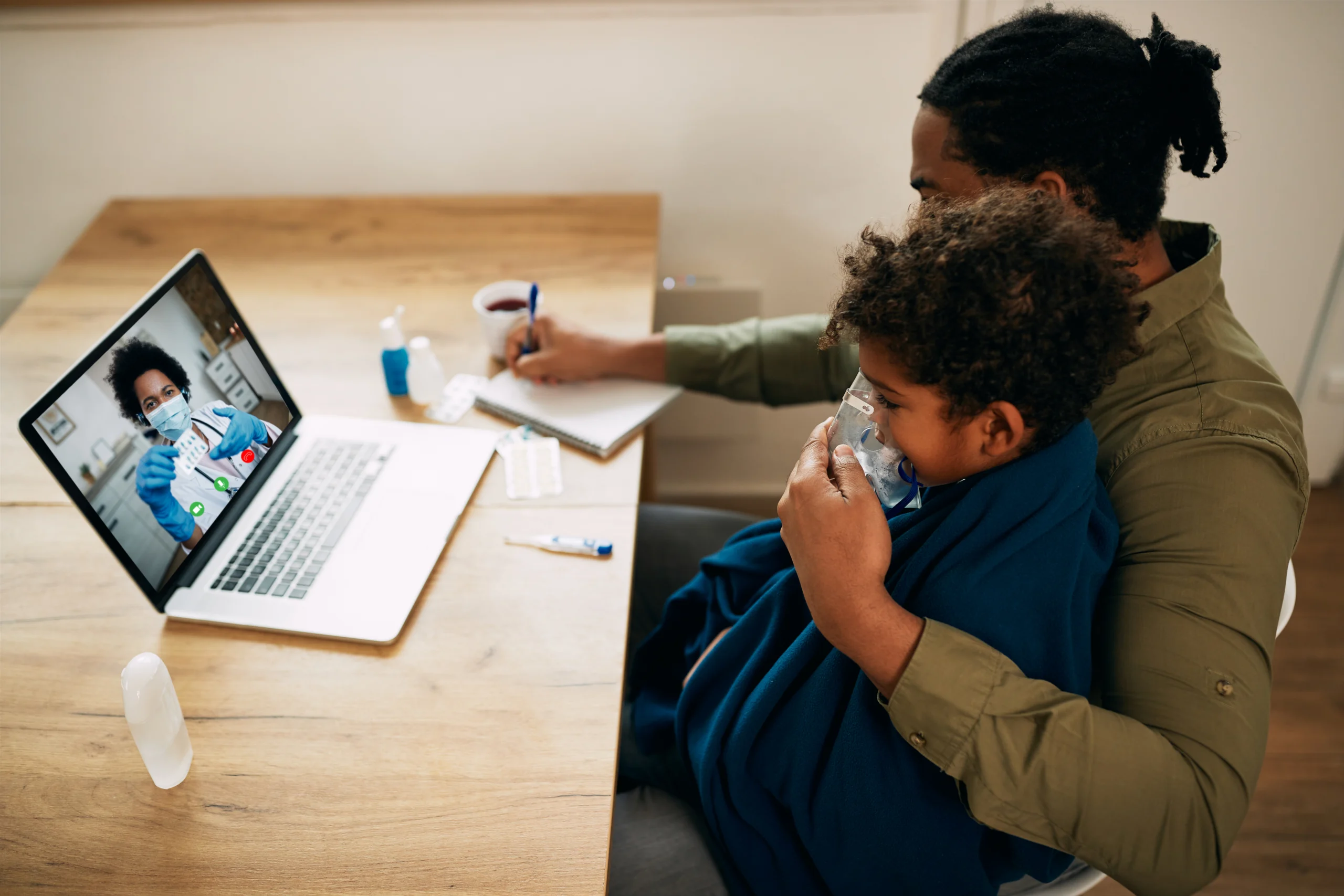
A fever at home can feel overwhelming fast. Your child is warm, fussy, maybe clingy, and suddenly every worst-case scenario starts running through your head. That reaction is completely normal. But before you panic, it helps to slow down and focus on what actually matters.
Here are four things to pay attention to when your child has a fever. These are the same things a pediatrician would ask about if you called, so thinking through them early gives you a head start on knowing where things stand.

The Four Things to Focus On
- How high is the temperature? A fever is generally defined as a body temperature of 100.4°F or higher. Knowing the number matters, but it does not tell the whole story. Some children run around with a temperature of 103°F and still want to play. Others seem miserable at 101°F. The number helps, but how your child is acting tells you more. Use a reliable digital thermometer and, for babies under three months, a rectal reading is the most accurate.
- How long has it lasted? Most fevers caused by a viral infection last two to three days. A fever that lingers beyond that, or one that goes away and then comes back, deserves a closer look. Keeping track of when the fever started and how it is trending gives you useful information if you do need to call a provider.
- How is your child acting? This is often the most important question. A child with a fever who is still drinking, interacting, and resting comfortably is different from a child who is very sleepy, difficult to wake, or refusing fluids. Energy level, eye contact, willingness to drink, and overall mood tell you more about how sick your child is than the thermometer alone.
- Have any new symptoms shown up? A fever on its own is one thing. A fever with a rash, difficulty breathing, a stiff neck, repeated vomiting, or signs of dehydration is another. New symptoms can change the picture quickly, so it helps to keep watching even after you have checked the temperature.
What a Fever Actually Means
A fever is not the illness itself. It is the body’s way of fighting an infection. When your child’s immune system detects a virus or bacteria, it raises the body’s temperature to help slow down the germs. That means a fever is usually a sign that the immune system is doing its job, not that something is going dangerously wrong.
That said, how a child responds to the fever matters. Most fevers in children are caused by common viral infections and resolve on their own with time, rest, and fluids.
What Helps at Home
When a child has a mild fever and is still drinking, resting, and breathing comfortably, many families manage things at home while keeping a close watch. That may include offering extra fluids throughout the day, keeping clothing light and comfortable, encouraging rest without forcing your child to stay in bed all day, and using a fever reducer if your child seems uncomfortable.
Acetaminophen and ibuprofen are the two over-the-counter options most commonly used for children. Acetaminophen can be given to infants over three months, while ibuprofen is typically recommended for children six months and older. Always follow the dosage instructions based on your child’s weight, and check with your provider if you are unsure about the right amount.
Avoid cold baths, rubbing alcohol, or bundling your child up in heavy blankets. These can make things worse rather than better.
Age Matters
For babies under three months old, any fever of 100.4°F or higher is a reason to call your pediatrician right away. Young babies have immature immune systems, and a fever at that age can sometimes signal a more serious infection that needs prompt evaluation.
For older babies, toddlers, and school-age children, the situation often depends more on how the child looks and acts than on the exact number on the thermometer. A provider can help guide you on whether to keep watching at home or bring your child in.
When to Reach Out
Trust your instincts. If something feels off, it is always okay to reach out. But there are a few situations where checking in sooner rather than later is especially important. Those include a fever lasting more than three days, a fever that goes away and then returns, difficulty breathing or fast breathing at rest, signs of dehydration such as very little urine, dry mouth, or no tears when crying, a child who is unusually sleepy or hard to wake, a fever with a rash that does not fade when pressed, and a child under three months old with any fever at all.
When a child is not feeling well, having trusted pediatric guidance can make it easier to know what is worth watching at home and when it may be time for a closer look. You do not need a medical degree to take care of a feverish child. You just need a plan, a thermometer, and someone to call when things feel uncertain.
This is for educational purposes only and not a diagnosis or treatment plan.