If you have ever looked over at your child and realized they have been staring at a screen for hours, you are not alone. The U.S. government is now taking the issue seriously too.
The Department of Health and Human Services recently released a new Surgeon General’s Advisory addressing the growing concerns around children’s screen time. It is one of the most comprehensive government statements on this topic to date, and it carries a clear message for parents, schools, and communities: the amount of time kids are spending on screens is becoming a serious public health concern.

How Much Screen Time Is Too Much?
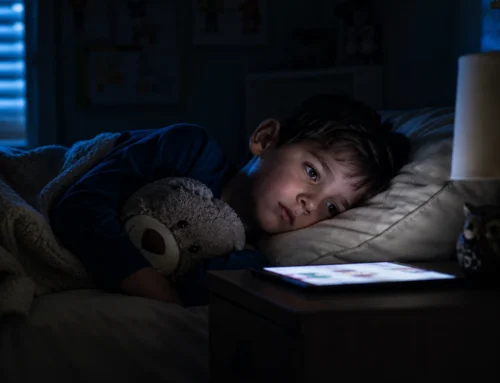
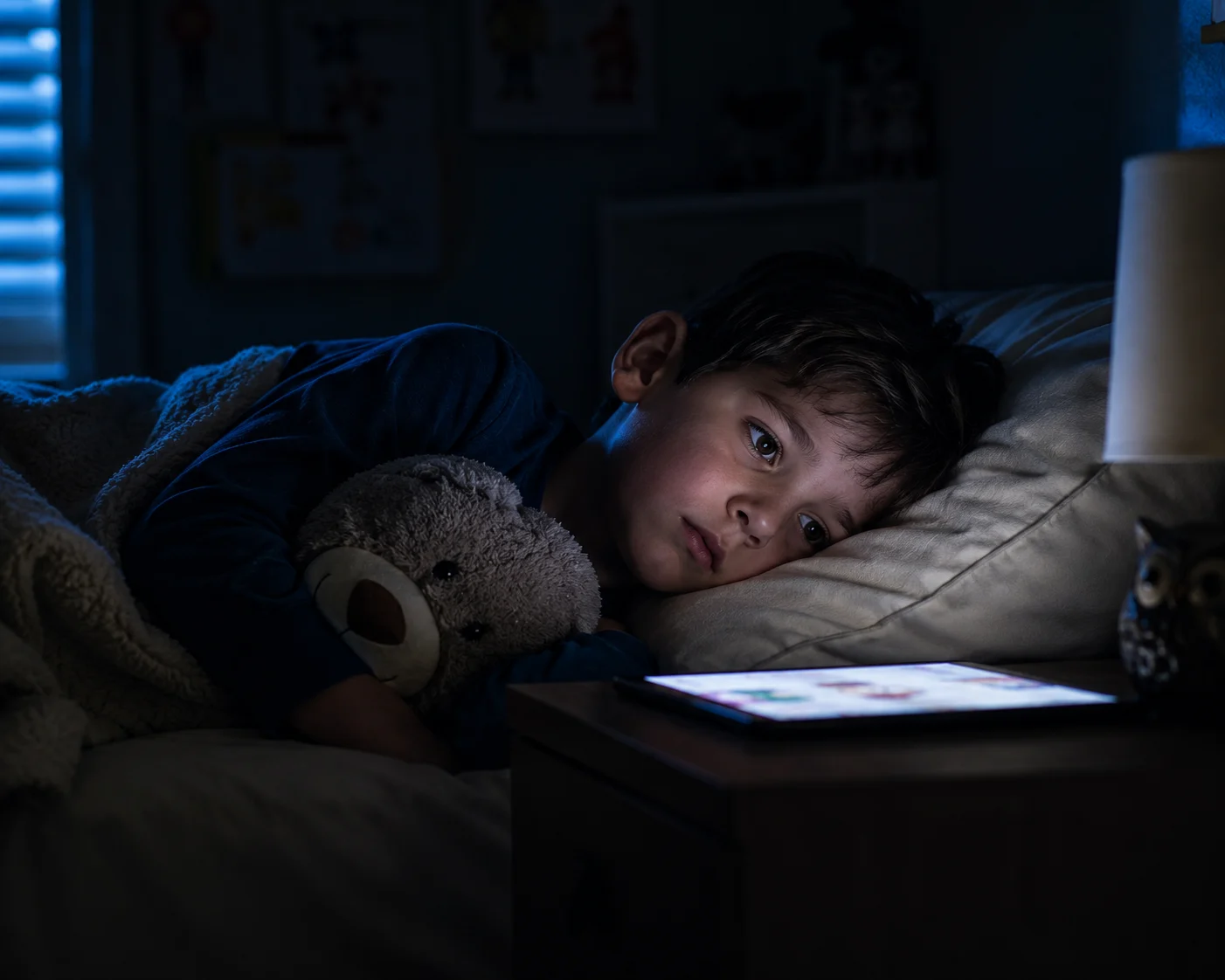
The numbers in this advisory are hard to ignore. Children and adolescents are now averaging seven to nine hours a day on entertainment screens. That is more time than most kids spend sleeping or sitting in a classroom. Most of them are also using their devices right before bed, which affects their sleep quality and overall well-being.
The advisory covers the full digital ecosystem, not just social media. Smartphones, tablets, apps, chatbots, and video games are all part of the conversation. Research has shown that excessive screen time has been linked to rising rates of anxiety, depression, and behavioral problems in children, along with reduced physical activity, attention problems, and poor sleep.
Dr. Stephanie Haridopolos, the HHS official who led the advisory, summed it up this way: “We want children to live real life, not be pulled into harmful environments online.”
Effects of Screen Time on Child Development
The effects of screen time go beyond mood and behavior. Here is what the advisory highlights across different areas of a child’s health:
Mental health. Excessive screen time, especially social media use, has been connected to higher rates of anxiety and depression in children and adolescents. Children may also be exposed to harmful content or online exploitation without parents being aware.
Physical health. More time on screens typically means less physical activity. Sedentary habits during childhood can lead to weight gain and affect a child’s long-term health and well-being.
Cognitive development. For toddlers and young children, too much passive screen media can interfere with the kind of face-to-face learning and language development that supports healthy growth. Pediatric experts advise limiting screen time significantly for children under 18 months of age.
Behavioral health. Higher levels of screen use have been associated with behavioral problems and difficulty managing emotions in children and adolescents.
Signs Your Child May Be Getting Too Much Screen Time
Every child is different, but there are warning signs that screen time may be becoming a problem:
- Irritability or anger when devices are taken away
- Withdrawing from friends, hobbies, or physical activity
- Declining sleep quality or resistance to bedtime
- Changes in mood, attention, and focus at school or home
- Secrecy around online behavior
- Repeated failed attempts to reduce screen use on their own
If you are noticing several of these signs, it may be time to take a closer look at the time they are spending on screens each day.
Practical Steps for Reducing Screen Time
Parents play a crucial role in helping children develop healthier digital habits. The advisory recommends a framework called the “5 Ds”: discuss, do, delay, divert, and disconnect. Here is what that looks like in practice:
Talk to your child about their screen habits openly and without judgment. Ask how they feel after long periods of media use compared to after playing outside or spending time with friends.
Set time limits that are consistent and clear. Screen time limits work best when children know what to expect rather than facing unpredictable rules.
Use parental controls to manage content and help enforce limits on technology, but pair them with ongoing conversations rather than just restrictions.
Encourage your child to engage in physical activity, creative play, and in-person socializing. Alternative activities are one of the most effective tools for reducing screen time naturally.
Disconnect together. Setting boundaries around screens is much easier when the whole family participates. Screen-free meals, outdoor time, and device-free evenings all help your child build a healthier relationship with technology.
When to Talk to a Pediatric Provider
If you have concerns about your child’s behavior, development, or children’s mental health and are not sure where to start, reaching out to a pediatric health provider is always a good step. They can help you navigate your child’s specific needs and point you toward the right support. At My Pediatric Doctor, our team is here to support your child’s health and well-being every step of the way. Our telehealth subscription plans make it easy to connect with a pediatric provider from the comfort of home, without the wait.
References:
- Yu, H., Xu, C., Lu, J., Li, Q., Li, Q., Zhou, K., Zhong, J., Liang, Y., & Yang, W. (2025). Associations between screen time and emotional and behavioral problems among children and adolescents in US, National Health Interview Survey (NHIS), 2022. Journal of Affective Disorders, 379, 159–167. https://doi.org/10.1016/j.jad.2025.03.030
- https://www.who.int/news/item/24-04-2019-to-grow-up-healthy-children-need-to-sit-less-and-play-more