Kids get hurt playing sports that is just part of the deal when you have a child who loves to move and compete. But not every bump and bruise is the same. Knowing the difference between something that needs ice and rest versus something that deserves a doctor’s attention can save a lot of time, worry, and potentially a more serious setback.
Why Kids Are Not Just Small Adults
Children’s bodies are still growing, which changes everything about how sports injuries happen and heal. The growth plate, the soft tissue near the end of long bones where new bone forms, is one of the biggest differences. In adults it has hardened into solid bone, but in a young athlete it is still developing and far more vulnerable. A force that might cause a ligament sprain in an adult can cause a fracture through the growth plate in a child. Cartilage is also more susceptible to repetitive stress, which is why overuse injuries are so common in children and adolescents who specialize in one sport year-round.
The Two Types of Injuries Parents Should Understand
Most sports-related injuries fall into two buckets. Acute injuries happen suddenly, like a collision or a fall, a twisted ankle, or a blow to the head. Overuse injuries build up slowly over time from repetitive motion without enough recovery. Both can happen across different sports, but they present differently and need different responses.
Common acute injuries include sprains and strains, fractures, ankle injuries, and concussions. A concussion, caused by an impact to the head, falls under traumatic brain injuries and should be taken seriously every single time, even when a child seems totally fine right after. Strains involve muscles or tendons, sprains involve ligaments, and both are extremely frequent in youth sports.
On the overuse side, stress fractures and shin splints are among the most common complaints in youth athletes. Stress fractures are tiny cracks in bone from repetitive loading. They are easy to dismiss as soreness but capable of getting significantly worse if a young athlete keeps pushing. Growth plate injuries also fall here and are more frequent in children than most parents realize.
You May Notice
Kids do not always volunteer that something hurts, especially when they do not want to sit out. Parents often pick up on signs before the child admits anything is wrong.
- Limping or guarding one side of the body during or after activity
- Swelling, bruising, or tenderness around a joint or along a bone
- Pain that keeps coming back in the same spot after every practice
- A child who seems off after a hit to the head — headache, confusion, or just not acting like themselves
- Reluctance to play or sudden disinterest in a sport they used to love
- Pain that is present even at rest or wakes them up at night
How to Treat Minor Sports Injuries at Home
For mild strains, sprains, and general post-activity soreness, the basics still work well. Rest, ice, compression, and elevation handles a lot of common injuries when applied early. Keeping a child off the injured area for a day or two and watching how things progress is a reasonable first step for many minor complaints.
What does not work is pushing through. Returning to play too soon, especially after a growth plate injury, stress fracture, or concussion — is how a manageable problem becomes a much bigger one. Early recognition and management almost always leads to better outcomes.
When to See a Doctor
Reach out to a pediatric provider when your child experiences any of the following:
- Any head injury with symptoms afterward (even mild ones)
- Pain or swelling not improving after 48 hours of rest
- A suspected fracture or significant swelling around a joint
- Recurring pain in the same spot that comes back with every activity
- Inability to bear weight or use a limb normally
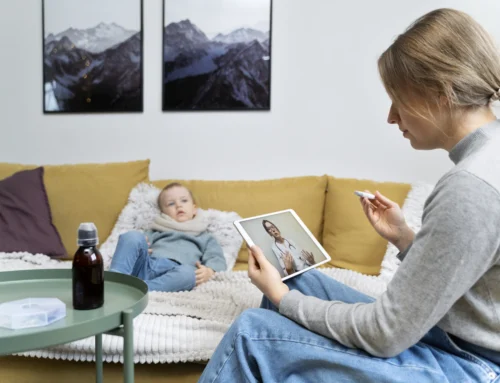
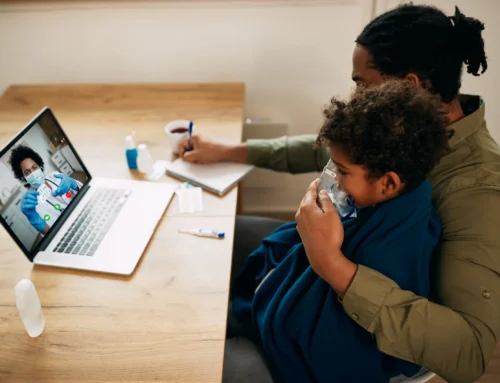
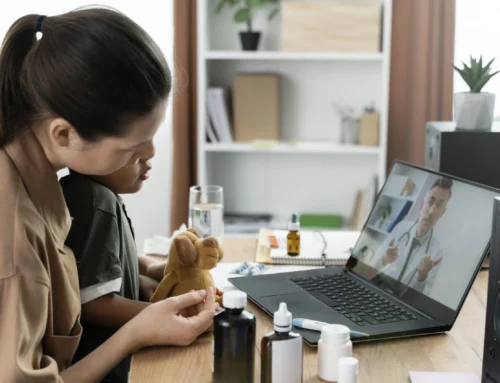
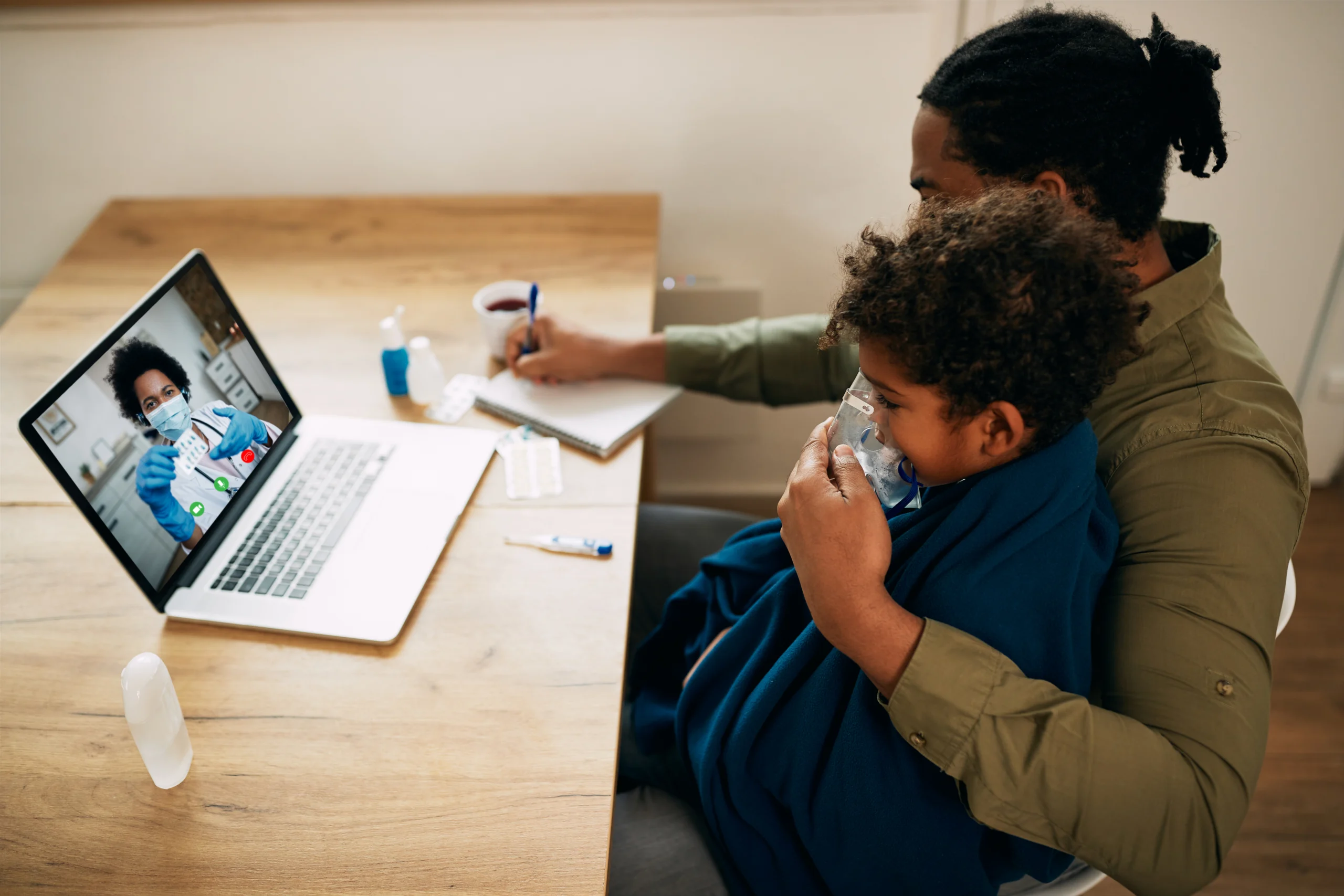
A board-certified pediatric provider can assess what is going on and advise on whether a pediatric sports medicine specialist is the right next step. For many injuries, a telehealth visit is enough to get clarity quickly — without pulling a child out of school or waiting days for an in-person appointment.
A Note on Injury Prevention
Coaches and parents both play a big role in keeping kids safe. One of the most practical things families can do is watch the training load carefully. Playing multiple sports across different seasons helps growing bodies develop more evenly and significantly lowers the risk of repetitive loading injuries.
Support at Home Matters, but So Does Guidance
Sports are worth it. The confidence, teamwork, and health benefits are real. The goal is to keep young athletes healthy and active for the long haul. If something does not feel right after a game or practice, trust that instinct. Reaching out to a trusted pediatric provider can help you get clarity on what to do next. Real doctors. Any time. Ready when your young athlete needs them most.