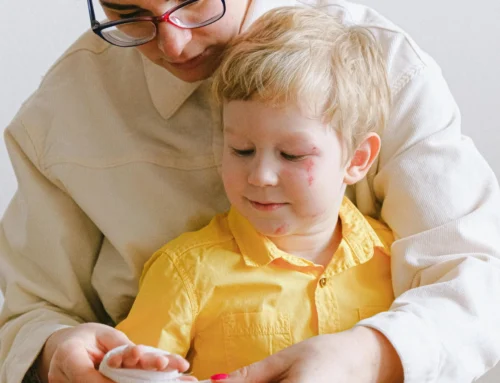
It can be unsettling when a child suddenly seems unwell and then develops mouth sores along with a rash. Sometimes it begins with a fever, lower energy, or fussiness. Other times, parents first notice that eating and drinking seem uncomfortable, and only later do the spots or skin changes appear.
That is often what makes this hard to read. Mouth sores and a rash can happen with more than one childhood illness, and they do not always look the same from one child to another. At the moment, what matters most is not always naming the exact cause right away. It is paying attention to how your child feels overall, whether they are drinking enough, and whether symptoms seem to be improving or getting worse.
You May Notice
- mouth sores
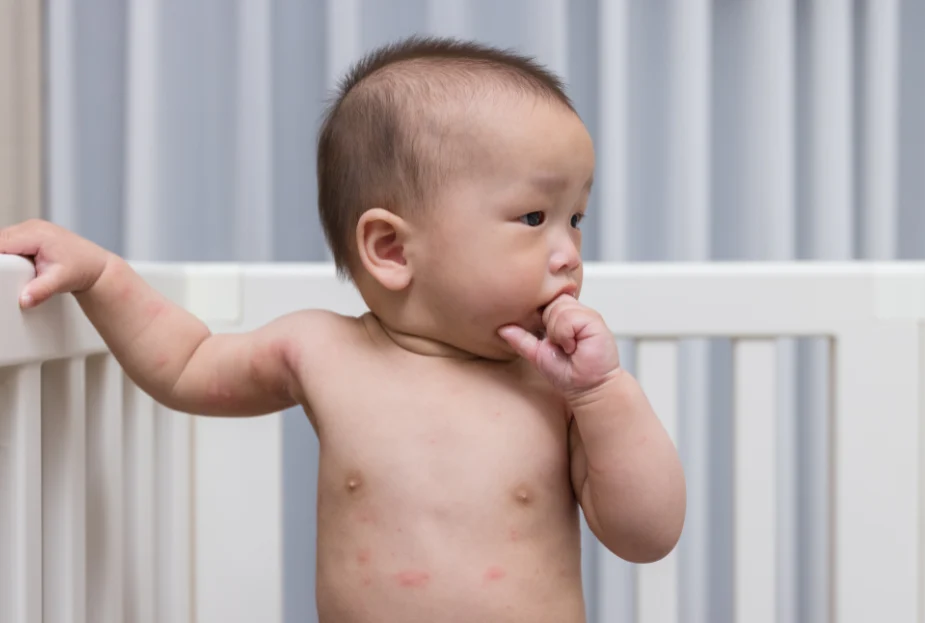
- red spots or small blisters
- rash on the hands or feet
- low appetite
- drooling
- fussiness
- tiredness
- discomfort with eating or drinking
Some children may also get spots on the legs, around the diaper area, or in other places on the body. In many cases, the mouth sores are what cause the most discomfort, even more than the rash itself.
When Symptoms Seem Mild
When symptoms seem mild, many parents begin with simple support at home while keeping a close watch on how their child is doing overall.
That may include:
- rest
- cool fluids
- soft foods
- comfort care
- extra cuddles
A child may not want to eat very much for a day or two, especially if the mouth is sore. That alone does not always mean something more serious is going on. In many cases, the main goal is helping your child stay comfortable and drink enough while the illness runs its course.
Some Illnesses Can Cause Both
Several common childhood illnesses can cause mouth sores and a rash at the same time. Hand, foot, and mouth disease is one example many parents have heard of. It often causes mouth discomfort along with spots or blisters on the hands and feet. Other viral illnesses can also cause a similar pattern, even if the rash shows up in slightly different places.
That is why it helps to look at the full picture instead of focusing only on the rash. Is your child alert? Are they still drinking? Do they seem mildly uncomfortable, or are they becoming much harder to settle? Those details often matter more than trying to identify the illness from the first few spots alone.
Why Drinking Matters So Much
One of the biggest concerns when a child has mouth sores is not always the rash itself. It is whether drinking starts to become difficult.
Mouth pain can make swallowing uncomfortable, especially for younger children who cannot explain what hurts. Parents may notice more drooling, turning away from drinks, crying with sips, or only wanting cold liquids. A child who is still drinking, urinating, and staying reasonably alert can often continue to be watched closely at home. But when drinking becomes harder and harder, that deserves more attention.
This is often the point when parents begin to feel less sure. The rash may still look mild, but poor drinking can quickly become the bigger concern.
It May Be Worth Reaching Out If
When a child has both mouth sores and a rash, the bigger concern is often not the rash itself but whether drinking starts to become harder. Mouth pain can make swallowing uncomfortable, especially for younger children who cannot explain what hurts. Parents may notice more drooling, turning away from drinks, crying when sipping, or only wanting cold liquids. If a child is still drinking, urinating, and staying fairly alert, it may be reasonable to keep watching closely at home. But if drinking becomes more difficult, it is worth paying closer attention.
- your child is not drinking well
- mouth pain seems severe
- there is very little urine
- your child is very sleepy
- the rash is worsening quickly
- fever lasts longer than expected
- child seems much more uncomfortable than usual
Support at Home Matters, but So Does Guidance
It can be hard for parents to tell whether an illness still seems to be moving in a normal direction or whether something is starting to change. They may begin to wonder if their child is drinking less than they should, if the rash is worsening, or if it may be time to check in with a pediatric provider.
Many children get through illnesses like this with time, fluids, and comfort care. Even so, parents should not feel like they have to figure it all out on their own when their child seems more uncomfortable or is not drinking well.
When symptoms start raising questions, trusted pediatric guidance can help parents sort out what may be reasonable to keep watching at home and what may need more attention. Sometimes they are looking for reassurance. Other times, they want help deciding whether it is time to reach out.
This is for educational purposes only and not a diagnosis or treatment plan.