Summer means bug season — and if you have an active child, bug bites are basically guaranteed. Most of the time a bite is nothing more than an itchy annoyance that disappears in a few days. But occasionally a sting or bite turns into something that needs more attention, and knowing the difference before you are staring at a swollen arm at 10pm is genuinely useful.
Summer means bug season — and if you have an active child, bug bites are basically guaranteed. Most of the time a bite is nothing more than an itchy annoyance that disappears in a few days. But occasionally a sting or bite turns into something that needs more attention, and knowing the difference before you are staring at a swollen arm at 10pm is genuinely useful.
The Most Common Types of Bug Bites in Children
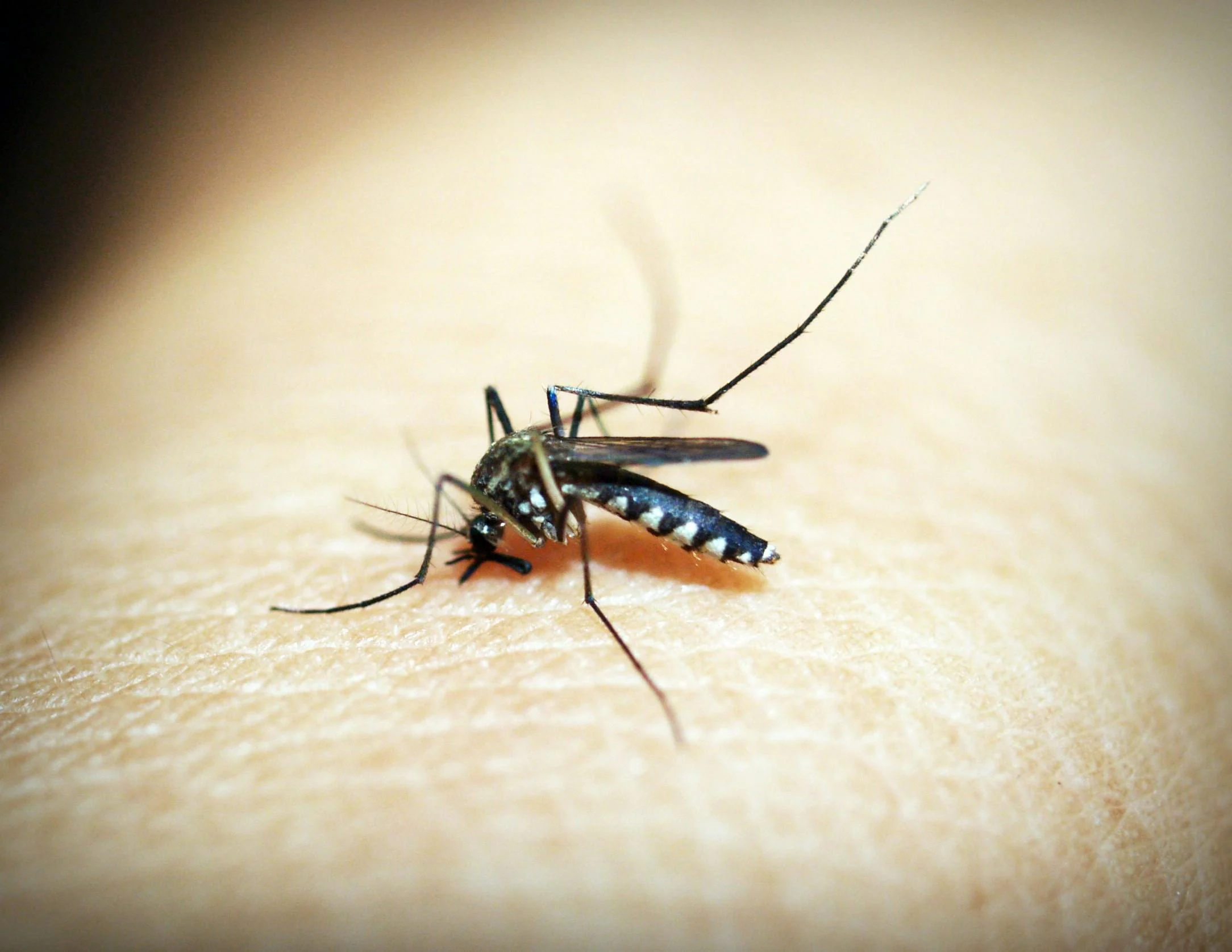
Not all bug bites look or feel the same. Mosquito bites are the most frequent, itchy red bumps that appear within a few hours and fade within a week. Flea bites look similar but show up in clusters around the ankles and are especially common in infants who spend time on the floor.
Fire ant bites are a different story. They cause immediate burning pain and develop into fluid-filled blisters within a few hours. Wasp and bee stings cause immediate pain and redness, and a wasp can sting more than once.
Most spider bites cause mild redness and swelling and resolve on their own. Bites from a black widow or brown recluse are the exception. Those can cause intense pain, muscle cramps, and fever, and they warrant prompt medical attention.
Ticks deserve their own mention. A tick bite is often painless, and parents usually find them during a body check after outdoor time. The concern is what the tick may carry. Lyme disease is the most well-known tick-borne illness, and an expanding bull’s-eye rash around the bite is a sign to contact your child’s doctor promptly.
How to Treat Bug Bites at Home
The good news is that most bug bites in kids are treated at home without any drama. For a typical mosquito or insect bite, wash the area with soap and water first, then apply a cold compress to bring down swelling. Hydrocortisone cream helps with itching, and a baking soda paste made by mixing baking soda with a small amount of water can also take the edge off for some kids. An antihistamine to help with itching can be a lifesaver at bedtime, but check with your pediatrician on the right one and the right dose for your child’s age.
For a bee sting, scrape the stinger out gently with a flat edge rather than squeezing it. Ice and a pain reliever like Ibuprofen or Acetaminophen help with the first few hours. If the sting is on an arm or leg, keeping it elevated reduces swelling.
How to Tell if a Bug Bite Is Infected
Most bites improve within a few days. Signs of infection include spreading redness, warmth, increased swelling, pus, and fever. A bite that is scratched open repeatedly is also more likely to become infected.
A bite that looks infected — or that has not improved after three to four days, is worth having a doctor look at. In some cases, a doctor may prescribe an antibiotic to clear the infection before it spreads. This is something a telehealth visit handles well. A pediatrician can take a look, assess what is going on, and give your child antibiotic treatment without anyone needing to leave the house.
Signs of an Allergic Reaction to a Bug Bite or Sting
An allergic reaction to a bug bite or sting is rare, but when it happens it can escalate quickly. A mild reaction might cause hives, extra swelling, or a rash beyond the bite area. A severe allergic reaction, known as anaphylaxis, is a medical emergency. Signs to watch for include difficulty breathing, swelling of the face or throat, a sudden drop in energy, and loss of consciousness. If you notice any of these signs, call 911 right away.
If your child has a known insect allergy, talk with your pediatrician about having an emergency plan in place. Knowing the signs of a severe reaction ahead of time can make a real difference in how quickly your family responds.
A Few Words on Prevention
DEET-based insect repellent is among the most effective options and is considered safe for children over two months. Picaridin is a good alternative that works against mosquitoes and ticks with less odor.
Wearing long pants in wooded areas reduces tick exposure, and a full body check after outdoor time catches most ticks before they cause problems. Eliminating standing water in the yard helps reduce the number of mosquitoes close to home.
Support at Home Matters, but So Does Guidance
Bug bites in children are one of those things that are usually nothing, until occasionally they are something. If you are not sure whether what you are looking at is a normal reaction, a sign of infection, or something that needs closer attention, a trusted pediatric provider can help you sort through what you are seeing and decide on the right next step.