Summer adventures are great until your child comes home looking like they lost a fight with a shrub. If you are staring at a red, blistered rash and wondering whether it is poison ivy, you are not alone — and the good news is that most cases are very manageable once you know what you are dealing with.
What Is Actually Going On
Poison ivy produces an oil called urushiol that triggers an allergic reaction in most people. The same oil shows up in poison oak and poison sumac, which is why all three plants cause similar symptoms. When kids come into contact with any of them, the oil sticks to the skin — and the itching usually follows within a day or two.
One thing worth knowing: the rash itself is not contagious. It cannot spread from person to person, and the fluid from the blisters will not make it worse or jump to new spots. What looks like spreading is usually skin that came into contact with the oil at slightly different times.
You May Notice
- red, streaky patches that seem to appear out of nowhere
- intense itching, especially at night
- small blisters that weep or crust over
- swelling, particularly around the eyes or face
- your child scratching constantly without relief
- fussiness or trouble sleeping in younger kids who cannot explain the discomfort
Toddlers and younger children often cannot tell you where it hurts. Watch for changes in mood, sleep, or behavior after a day outdoors — the rash may be the reason.
What Helps at Home
If the rash is mild and your child is uncomfortable but otherwise okay, start by washing the skin with soap and water right away to remove any remaining oil. After that, a few simple things can make a real difference:
- Oatmeal baths to calm inflamed, itchy skin
- Calamine lotion applied to the affected areas
- A cool compress for swelling or heat
- Trimmed fingernails to prevent scratching from breaking the skin
- An over-the-counter antihistamine to take the edge off — especially before bed
Most cases clear up within one to three weeks. How long it lasts depends on how much contact your child had with the plant and how their immune system responds.
When It Makes Sense to Call a Doctor
Home care goes a long way, but some situations are worth getting eyes on sooner rather than later:
- The rash covers a large area of the body or keeps spreading
- Blisters are severe or look infected
- The rash is on the face or genitals
- Swelling around the eyes, mouth, or throat — seek treatment right away
- Your child has a fever alongside the rash
A pediatric provider can look at what is going on, review your child’s symptoms, and prescribe a stronger cream or oral medication if needed — without anyone having to sit in a waiting room.
A Little Prevention Goes a Long Way
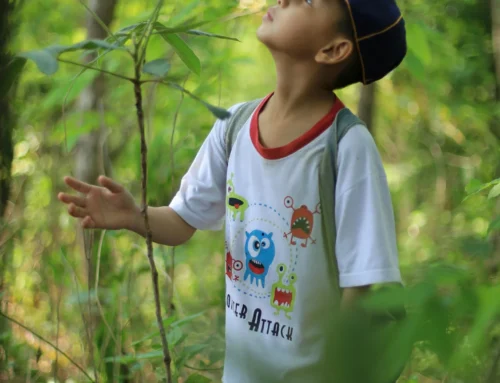
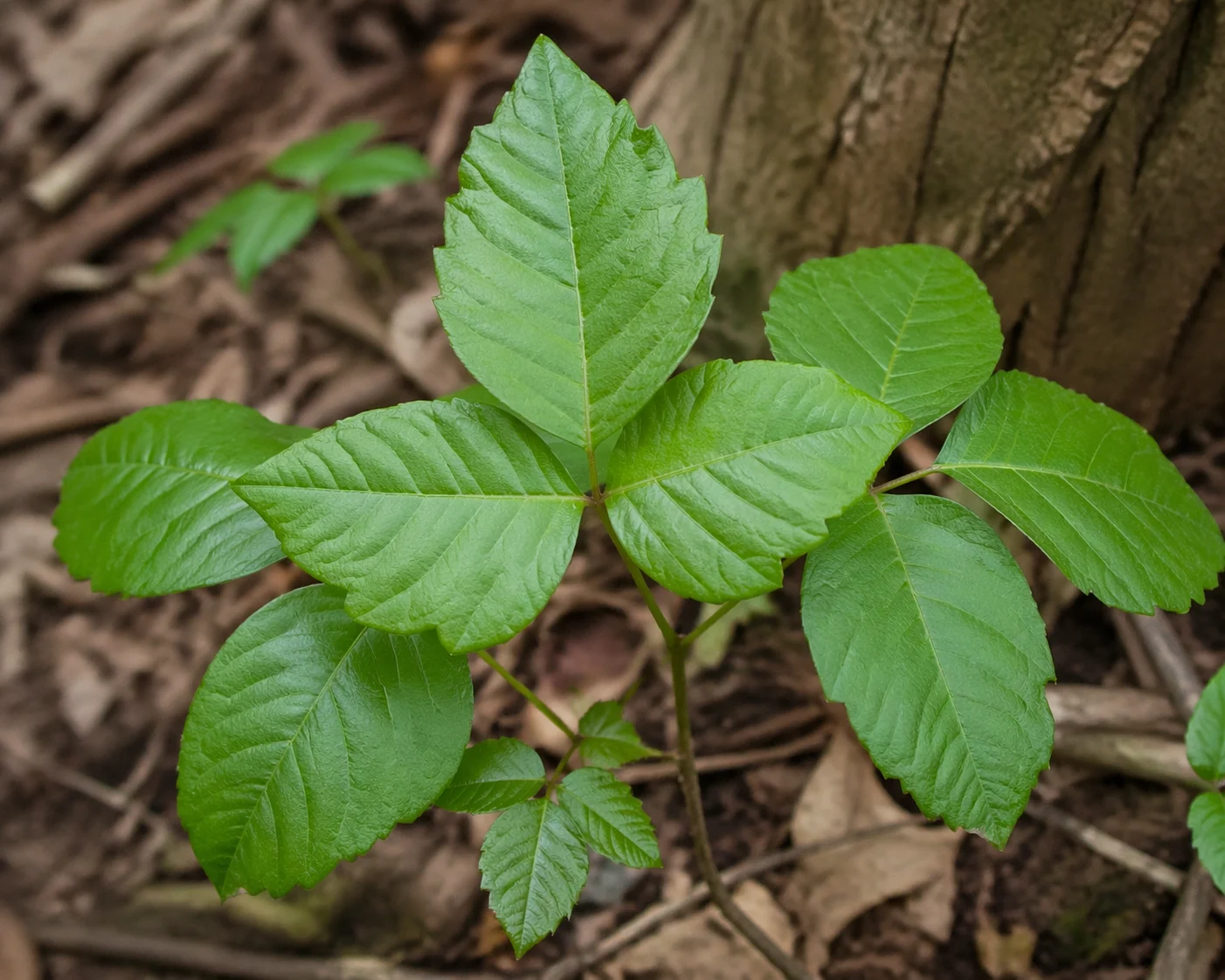
The classic rule, “leaves of three, let it be” — is still the easiest way to teach your child to spot poison ivy before they touch it. Poison oak and sumac look a bit different but carry the same oil, so the general lesson applies: when in doubt, hands off.
For outdoor adventures in wooded or marshy areas, long sleeves and pants help. Washing clothes and gear after a nature outing is also smart — the oil can linger on fabric and cause a reaction later.
Support at Home Matters, but So Does Guidance
A run-in with poison ivy is rarely serious, but it can be a miserable few days for your child — and for you. If you are unsure whether home care is enough or want a professional opinion before things get worse, our board-certified pediatric specialists are available online, any time of day.
No waiting room. No runaround. Just fast answers when your child needs them.