
Company News
Microplastics and Heart Health: What a Groundbreaking New Study Revealed
A new study found microplastics in the blood of 84% of severe heart attack patients. Here's what parents and families should understand about this emerging research.
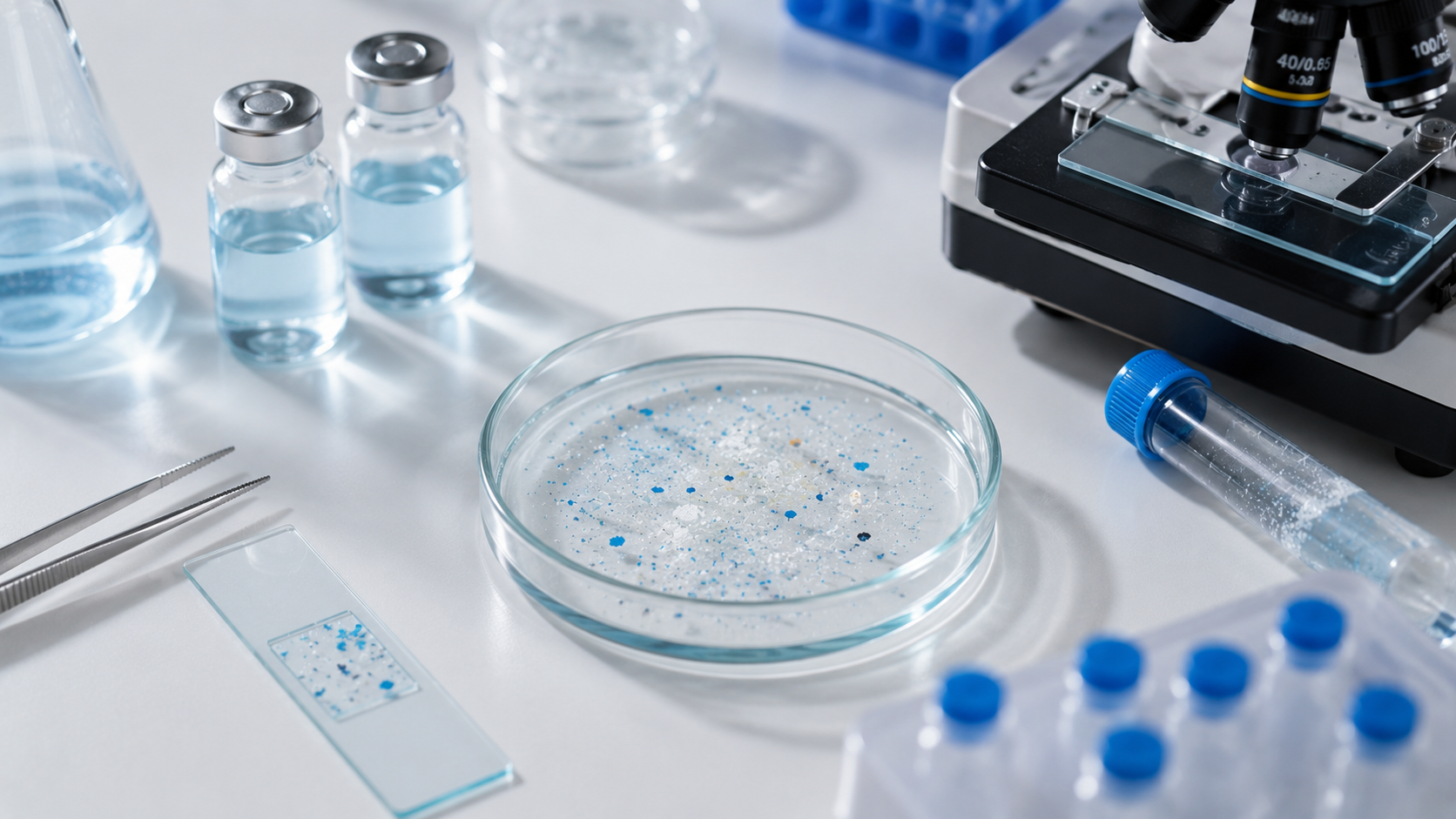
The conversation around microplastics and human health just got more urgent.
A team of Italian researchers has published findings in the European Heart Journal that are prompting fresh questions about the relationship between everyday plastic exposure and cardiovascular disease. The study, conducted by Dr. Raffaele Marfella and colleagues at the University of Campania Luigi Vanvitelli in Naples, examined blood taken directly from the coronary arteries of 61 cardiac patients during angiogram procedures. What the researchers discovered added a new dimension to an already growing body of concern.
Among the patients who were actively experiencing a major heart attack at the time of the procedure, more than eight in ten had measurable levels of micro- and nanoplastics circulating in their coronary artery blood.That figure dropped considerably among patients with stable, long-term heart disease, with just under half testing positive. Among patients whose coronary arteries appeared entirely healthy, fewer than one in three had detectable plastic particles. The most commonly detected material was polyethylene, the same type of plastic used to make everyday plastic bags and drink bottles. It was found in nearly all of the positive cases.
Health experts who weighed in on the study were measured in their response. The research design was observational in nature, meaning it can identify a relationship between two things but cannot prove that one caused the other. The patient group was also relatively small and drawn from a single geographic location, which makes it difficult to draw sweeping conclusions. One further complication: smoking history turned out to be the single strongest individual factor associated with having plastic particles in the blood, and smoking is itself a well-established cardiovascular risk factor, making it hard to separate the two influences cleanly.
That said, these findings do not exist in isolation. Prior studies have identified microplastic particles inside arterial plaque, and the consistency of results across different research efforts is something the scientific community is taking seriously. The full picture of what long-term plastic exposure does to the human cardiovascular system is still being assembled, but the early signals are drawing sustained attention.
For families thinking about practical steps, the guidance is straightforward. Replacing plastic food containers with glass or ceramic alternatives is a reasonable starting point. Being mindful about reheating meals in plastic packaging, particularly in the microwave where heat accelerates the release of particles, is another worthwhile habit to develop. Reducing dependence on single-use plastic bottles, especially in warm conditions, rounds out the basics.
These are not dramatic lifestyle overhauls. They are small, sensible adjustments that reduce daily exposure while science continues to develop. For any specific concerns about heart health or environmental risk factors, a conversation with a board-certified doctor remains the most reliable path forward.
References / Sources
Fox News Health. Microplastics Detected in Most Heart Attack Patients' Blood in Startling New Study. July 23, 2026. FoxNews.com.
Paolisso P, Marfella R, et al. Micro- and Nano-Plastics in the Coronary Circulation and Air Pollution Exposure in Ischaemic Heart Disease Presentation. European Heart Journal, July 2026.
American Heart Association. Environmental Factors and Heart Health. Heart.org.