
Company News
The FDA Modernized Its Orange Juice Regulation for the First Time in 63 Years. Here's What Parents Should Know.
The FDA has updated a 63-year-old orange juice regulation, lowering the sugar standard to support American citrus farmers and reduce reliance on imports.
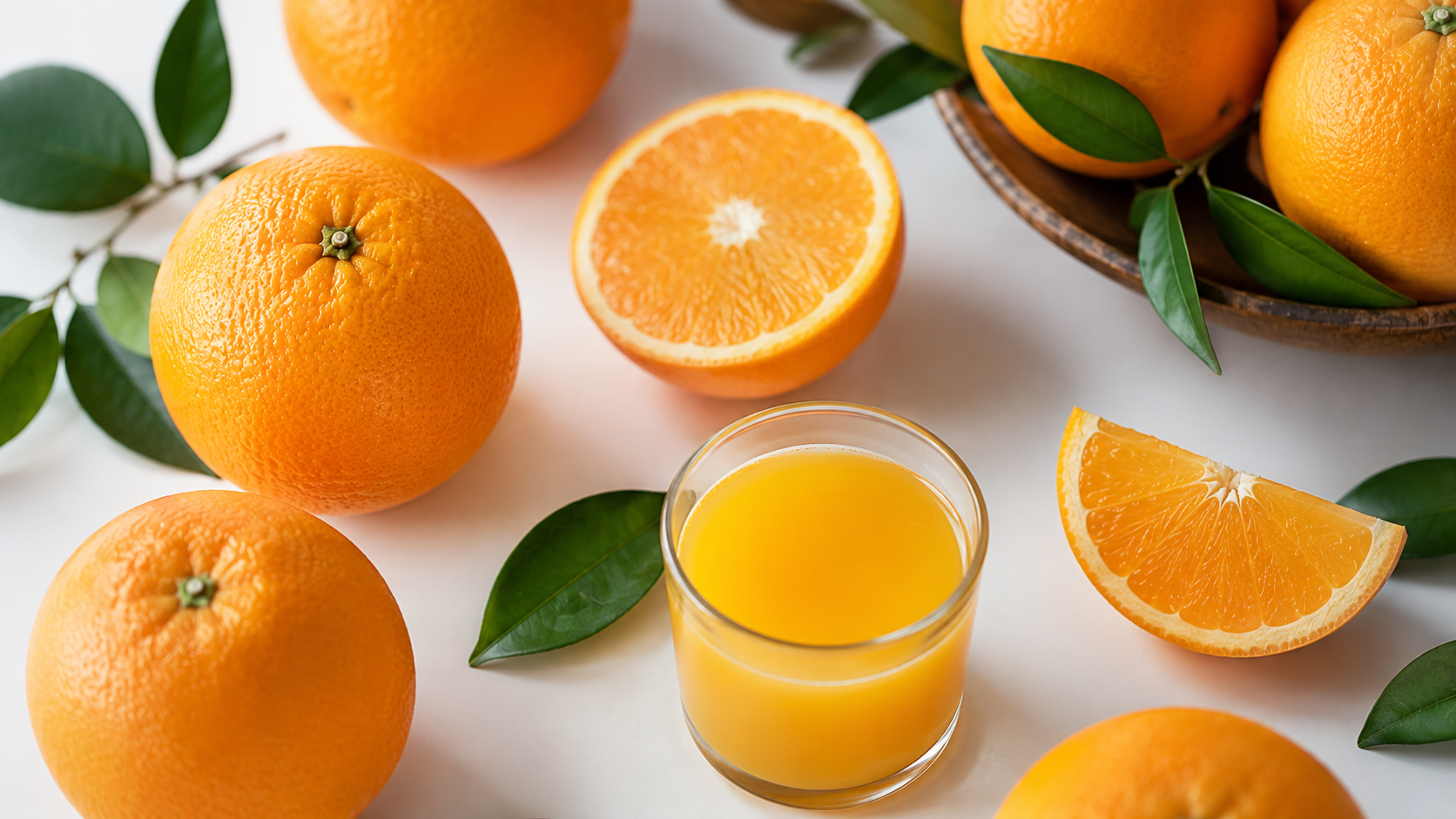
Orange juice has been a staple on American breakfast tables for generations, but the federal regulation governing what qualifies as pasteurized orange juice had not been updated since 1963. That changed on July 17, 2026, when HHS Secretary Robert F. Kennedy, Jr. announced that the FDA had issued a final rule modernizing the Standard of Identity for the product, a move that has significant implications for American citrus farmers, the domestic food supply, and families who buy orange juice at the grocery store.
The original standard, established over six decades ago, required pasteurized orange juice to meet a minimum Brix level of 10.5 degrees. Brix is a measurement of dissolved sugar content in juice. The problem is that in recent years, natural pressures including disease, hurricanes, and freezes have taken a severe toll on Florida's citrus groves, causing the natural sugar content of Florida oranges to decline. Because domestic fruit could no longer reliably meet the rigid federal minimum, American orange juice producers were essentially required to import higher-sugar oranges from foreign competitors to blend into their products, driving up costs and undermining the domestic industry.
Under the updated rule, the minimum Brix level has been lowered from 10.5 degrees to 10.0 degrees. The rule also permits up to 15 percent mandarin or tangerine juice by volume to be included in the blend. According to federal officials, the changes are projected to save the American orange juice industry more than $50 million per year while reducing dependence on foreign citrus imports and keeping more domestic fruit in the production chain.
For families, the practical impact of this change is subtle but real. The orange juice on store shelves will continue to meet federal safety and quality standards, and the taste profile is not expected to change significantly. What changes is the underlying economics: more of what is in the bottle will have been grown by American farmers.
The update is also part of a broader FDA initiative reviewing more than 250 Standards of Identity across the food supply to ensure federal definitions reflect current agricultural realities and scientific understanding. For parents trying to make informed decisions about what their families eat and drink, knowing that these standards are being reevaluated is reassuring. It shows that food regulations are adapting to a changing food landscape.
References / Sources
U.S. Department of Health and Human Services. Secretary Kennedy Announces Major Update to 63-Year-Old Orange Juice Regulation. Press Release, July 17, 2026. HHS.gov.
U.S. Food and Drug Administration. Food Standards of Identity Modernization: Pasteurized Orange Juice Final Rule. FDA.gov.
American Academy of Pediatrics (AAP). Fruit Juice in Infants, Children, and Adolescents: Current Recommendations. HealthyChildren.org.