
Vaccine and Immunization Schedule: What to Expect at Every Age
Your complete guide to vaccine schedules for all ages. Discover what to expect, essential vaccines, & stay updated on your family's immunization plan.
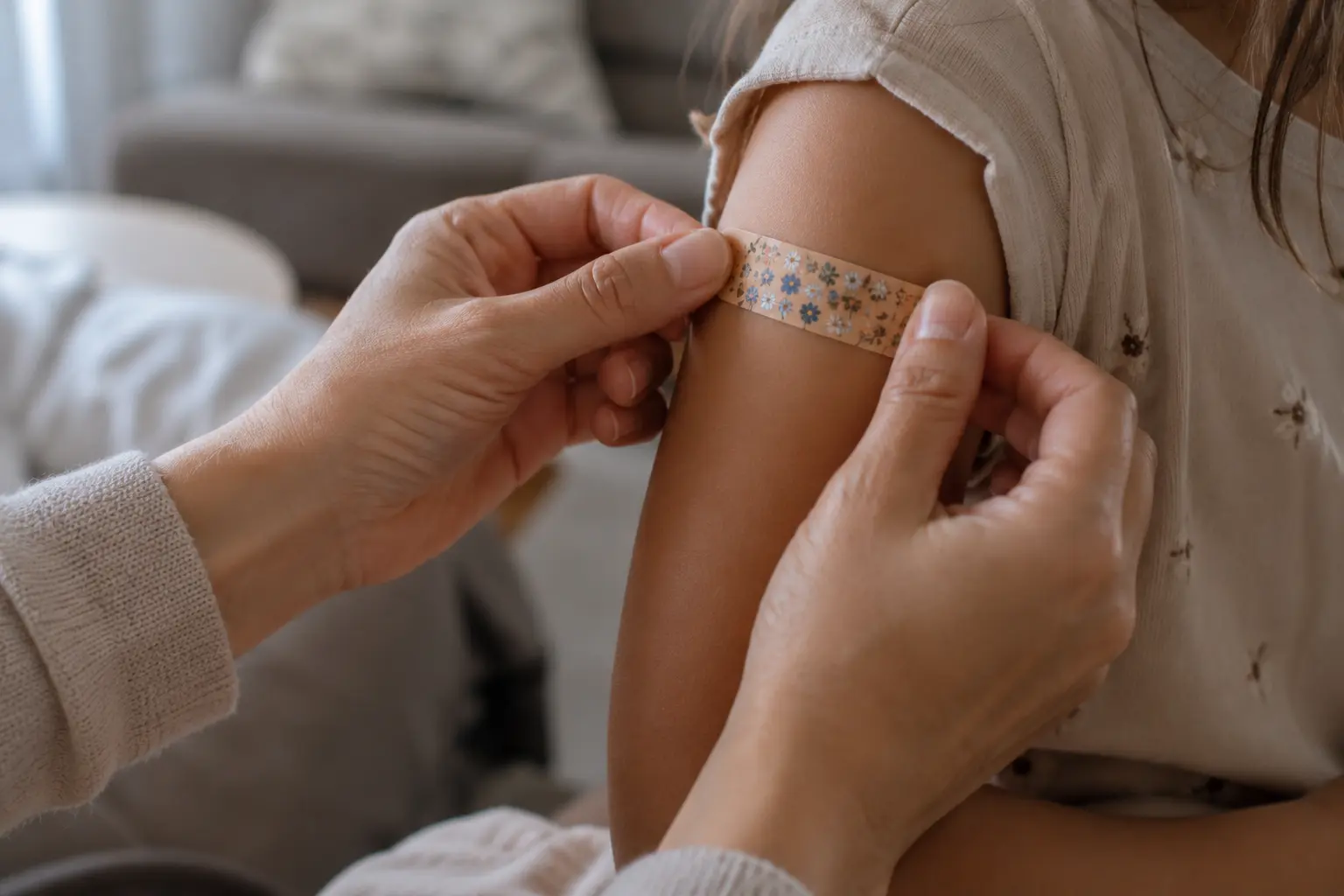
You're looking at the paperwork from your child's last checkup and trying to figure out which shots are coming up next, and honestly the list feels longer every visit. It's a lot to keep track of, especially when you're also wondering what the reactions might be and whether you're already behind on anything.
The childhood immunization schedule can feel overwhelming at first glance, but it's built around a straightforward idea: vaccinate at the ages when protection matters most and when a child's immune system responds best.
This article walks through what the schedule looks like from birth through adolescence, what some of the key vaccines cover, and what to do if your child has fallen behind.
Understanding the Childhood Vaccine Schedule
The child and adolescent immunization schedule isn't arbitrary. Each vaccine is placed at a specific age because that's when children are most vulnerable to certain diseases or when the immune system responds most effectively to that particular dose. Following the recommended schedule gives your child the best protection at the right time, rather than playing catch-up later when some vaccine-preventable diseases have already had a chance to cause harm.
The schedule is updated annually. The American Academy of Pediatrics and the CDC review new data each year and adjust vaccine recommendations as needed. The updated childhood immunization schedule reflects the latest guidance on timing, dosing, and any newly approved vaccines, so it's worth checking in with your child's doctor at each visit rather than assuming nothing has changed.
Which Vaccines Does Your Child Need and When?
From birth through age 6, the number of vaccines and doses can feel like a lot. Most of the early vaccination happens in the first two years of life, when infants and young children are most vulnerable to serious diseases.
At birth, babies should get their first hepatitis B vaccine, also called the HepB vaccine. From there, the schedule builds through the first year with vaccines covering rotavirus, diphtheria, tetanus, pertussis, polio, and more. By 6 months of age, most infants have received multiple doses across several series, and the flu vaccine becomes recommended starting at this age as well, given annually each season.
A few vaccines worth knowing about specifically:
The RSV vaccine and RSV immunization options are now recommended for certain infants heading into their first RSV season, reflecting how seriously respiratory syncytial virus can affect young babies
The COVID-19 vaccine is recommended for children beginning at 6 months old, with the number of doses depending on age and previous vaccination history
The HPV vaccine is typically introduced at age 11 or 12, given as two doses spaced several months apart for children who start the series before age 15
Between ages 4 through 6 years, children receive booster doses of several vaccines they started as infants, and by age 7 through adolescence the focus shifts to vaccines like the meningococcal vaccine, MenB vaccines, Tdap boosters, and HPV vaccination completion.
Common Reactions After Vaccines
Mild reactions after vaccination are common and usually a sign the immune system is responding. Most pass within a day or two and don't require anything beyond basic comfort care.
Common things you might notice after a vaccine:
Soreness, redness, or swelling at the injection site
Low-grade fever
Fussiness or irritability, especially in infants
Tiredness or reduced appetite for a day or so
Serious reactions are rare. If your child develops a high fever, seems unusually unwell, or has symptoms that feel more significant than typical post-vaccine fussiness, contact your child’s doctor rather than waiting to see how things develop. A same-day virtual visit can help you quickly determine whether the symptoms need further attention.
How to Catch Up on Missed Vaccines
Falling behind on the immunization schedule happens, and it doesn't mean starting over. A catch-up schedule exists specifically for children who missed doses or started late, and your child's doctor or a state or local health department can help get things back on track.
Catch-up vaccination follows slightly different timing rules than the standard schedule, since the minimum intervals between doses matter for building proper immunity. The American Academy of Pediatrics recommended immunization schedule includes catch-up guidance for every vaccine, so there's always a clear path forward regardless of where your child is starting from.
If your child is behind on their vaccine schedule, the most important step is to bring it up at the next visit rather than waiting. Many vaccines can be given during the same appointment, so catching up is often quicker and easier than you might expect.
Talking to Your Child's Doctor About Vaccines
It’s completely normal to have questions about the risks and benefits of vaccines, how many vaccines are given at once, or where specific vaccines, such as the COVID-19 and pneumococcal vaccines, fit into your child’s overall vaccination schedule. A good healthcare provider will take your concerns seriously, answer your questions clearly, and help you feel confident about your child’s care.
If you're unsure where your child stands on their recommended vaccine schedule, a simple review at the next appointment can clarify everything. Most practices can pull up your child's immunization history and tell you exactly what's been completed, what's due, and what to expect at upcoming visits.
This blog is for informational purposes only and is not a substitute for professional medical advice, diagnosis, or treatment. Always consult your child's doctor or a qualified healthcare provider with any questions you may have regarding a medical condition.
More Articles
Related Reading

May 21, 2026
Does Your Child Need a Vitamin Supplement? A Guide to Supplementation for Kids
Find out which vitamins and minerals your child may need, when a supplement makes sense, and how to support healthy nutrition at every age.

May 2, 2026
Telehealth for Children With Chronic and Complex Health Needs
Managing a child's chronic condition is a full-time job. Learn how telehealth for kids with special health care needs makes specialty care more accessible.

May 2, 2026
Pediatric Telehealth: What It Is, What It Can Do, and When It Makes Sense
Not sure when to use telehealth for your sick child? Learn what pediatric telehealth can handle, when to go in person, and how virtual care works for families.
Ready to speak with a board-certified pediatric physician?
Get expert care for your child from the comfort of your home — no insurance required.