
When Your Child Has Pink Eye: What to Watch For
Is it a pink eye? Learn what pink eye symptoms to watch for in your child. Explore pink eye treatment, home remedies and when to get a prescription.

Pink eye can catch parents off guard, especially when a child wakes up with a red, irritated eye that was not there the day before. Sometimes it starts with mild watering, while other times there is crusting on the lashes, eye redness, or discharge that makes the eye look much worse by morning.
Pink eye, also known as conjunctivitis, is a common eye condition in children that affects the surface of the eye and can make the white part of the eye appear pink or red. It can be caused by a virus, bacteria, or allergies, and the right treatment depends on the type of pink eye. What matters most is not just how the eye looks, but how your child feels overall and how symptoms change over time.
You May Notice
- eye redness
- watery eyes
- eye discharge
- crusting around the eyelids
- itching
- mild swelling
- a gritty feeling
- rubbing the eyes often
Some pink eye symptoms are mild, while others are more disruptive. One eye may be affected at first, then the other. In some children, the main issue is watering and irritation. In others, the discharge is thicker and the eyelids may stick together after sleep. Symptoms can look different depending on the cause, such as a viral, bacterial, or allergy-related eye irritation.
When Symptoms Seem Mild
Many parents begin with simple eye care at home while monitoring for changes.
That may include:
- gently wiping away discharge with a clean, damp cloth
- encouraging hand washing
- avoiding rubbing the eyes
- not sharing towels, pillows, or washcloths
- helping your child stay comfortable at home
Some cases of pink eye are mild and may improve with time, especially when pink eye is often linked to a cold or irritation. Viral pink eye usually gets better with supportive care, while allergic pink eye may improve once the trigger is reduced. Parents sometimes ask about home remedies, but it is still important to understand the likely cause before starting treatment or using any eye medication.
Why the Full Picture Matters
Pink eye usually look similar at first, but the causes of pink eye are not always the same. A child with viral pink eye may also have cold symptoms. A child with allergic pink eye may have itching, sneezing, or other allergy symptoms. Bacterial pink eye may cause thicker drainage and crusting that lasts throughout the day.
That is why the full picture matters. Is your child otherwise acting well? Is there fever, swelling, or eye pain? Is the discharge watery or thick? Are both eyes involved? The symptoms associated with pink eye can help point toward the most appropriate treatment.
Severe eye pain, trouble seeing clearly, or worsening swelling should be taken more seriously. These signs may point to a more serious eye problem and should not be ignored.
When Parents Want More Than Reassurance
Often, the hardest part is not just the redness itself, but figuring out whether it seems mild and manageable or whether your child may need treatment for pink eye. Parents also want to know whether a child should stay home from school or daycare, whether pink eyes can spread, and whether antibiotics are actually needed.
This is where pediatric guidance can help. A provider can ask about symptoms, look at the eye, and help parents understand whether it seems more like viral or bacterial pink eye, or whether allergies may be the cause.
In some situations, a provider may prescribe antibiotic eye drops or other prescription eye drops if bacterial pink eye seems likely. In others, the treatment plan may focus on comfort, symptom relief, and careful monitoring.
Support at Home Matters, but So Does Guidance
Many cases of pink eye in kids are common and manageable, but parents should not feel like they have to figure it out alone. If symptoms are getting worse, your child seems uncomfortable, or you are not sure which type of pink eye you are dealing with, it is reasonable to seek care.
When eye symptoms start raising questions, trusted pediatric support can make it easier to sort out what may be reasonable to keep watching at home and what may need a closer look. Whether that means reassurance, a personalized treatment plan, or conjunctivitis treatment, getting the right treatment early can help parents feel more confident about what to do next.
This is for educational purposes only and not a diagnosis or treatment plan.
More Articles
Related Reading

May 21, 2026
Does Your Child Need a Vitamin Supplement? A Guide to Supplementation for Kids
Find out which vitamins and minerals your child may need, when a supplement makes sense, and how to support healthy nutrition at every age.
May 2, 2026
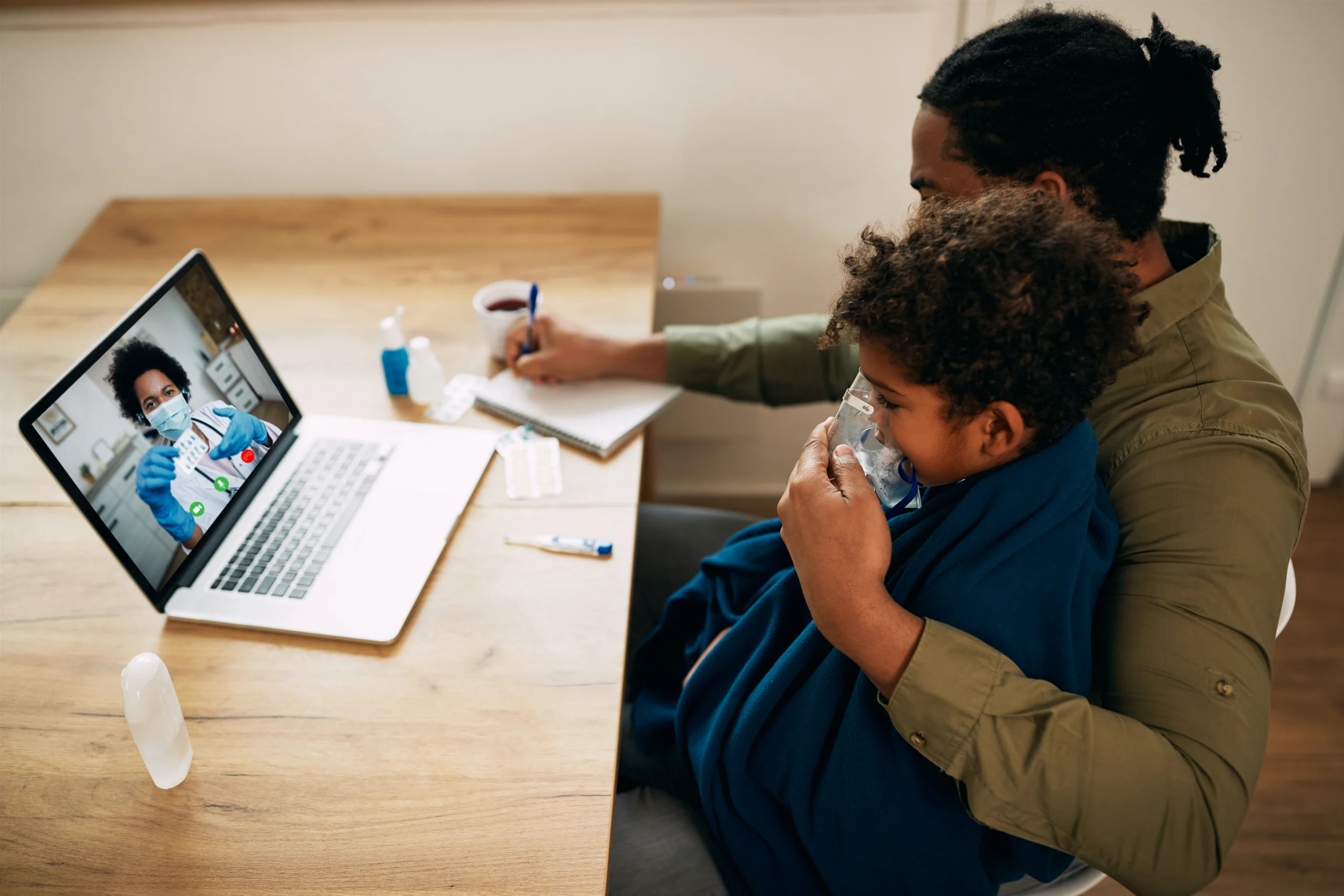
Telehealth for Children With Chronic and Complex Health Needs
Managing a child's chronic condition is a full-time job. Learn how telehealth for kids with special health care needs makes specialty care more accessible.

May 2, 2026
Pediatric Telehealth: What It Is, What It Can Do, and When It Makes Sense
Not sure when to use telehealth for your sick child? Learn what pediatric telehealth can handle, when to go in person, and how virtual care works for families.
Ready to speak with a board-certified pediatric physician?
Get expert care for your child from the comfort of your home — no insurance required.