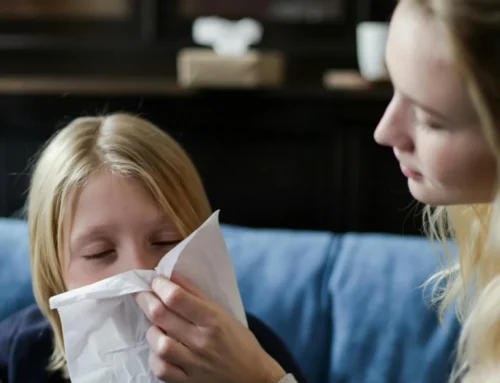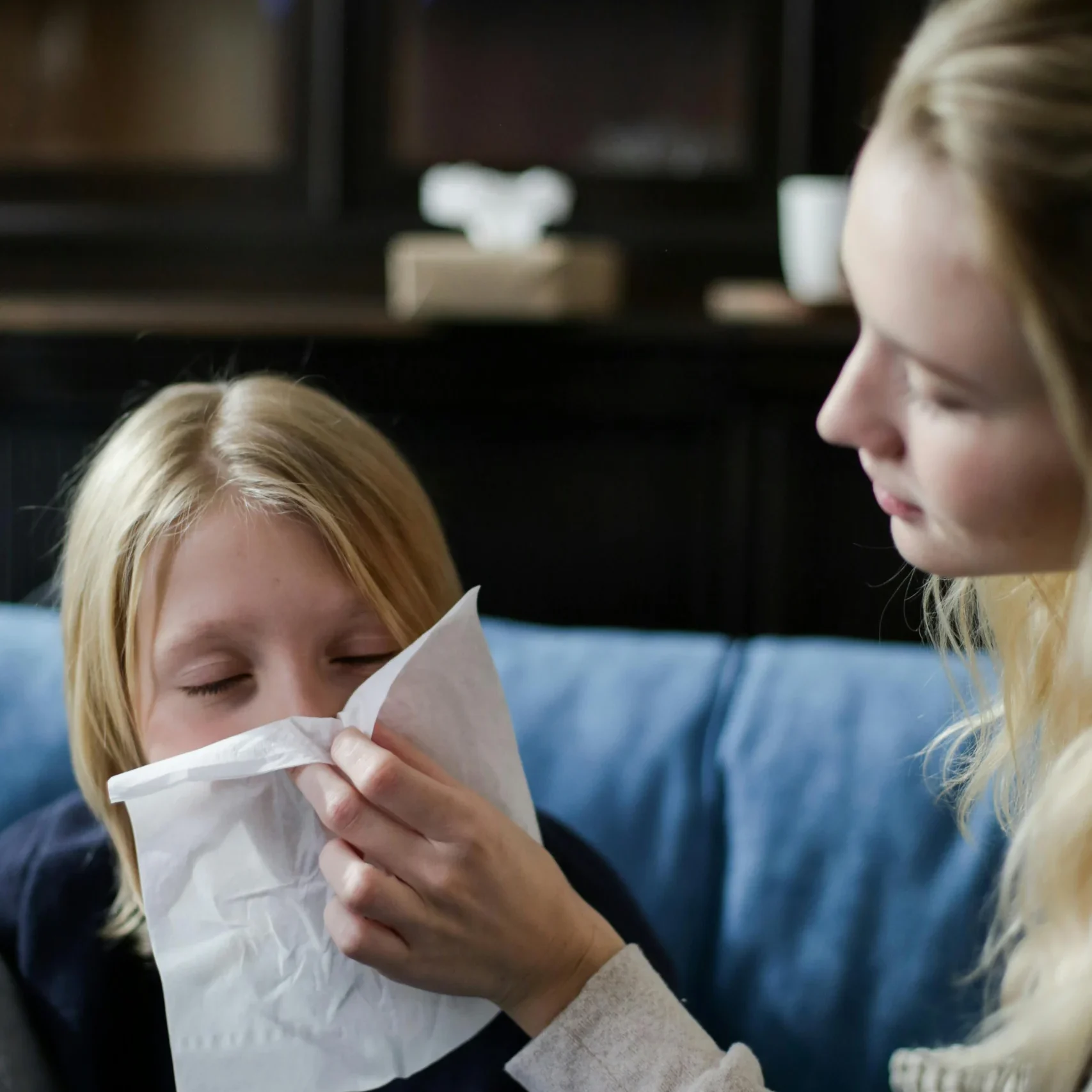
Breathing changes can be one of the most stressful things for parents to notice. A cough, wheeze, or faster breathing may happen with a common illness, but sometimes it can leave you wondering whether your child is simply uncomfortable or whether something more serious may be going on.
Parents are not always trying to name the exact cause right away. They want to know what may be okay to keep watching at home, what signs deserve closer attention, and when it may be time to reach out.
Children can have different kinds of breathing problems. Breathing may look faster than usual, sound noisy, or seem to take more effort, even when a child cannot explain what feels wrong.
You May Notice
- fast breathing
- cough
- wheeze
- breathing trouble
- grunting
- rib pulling
- color changes
- unusual tiredness
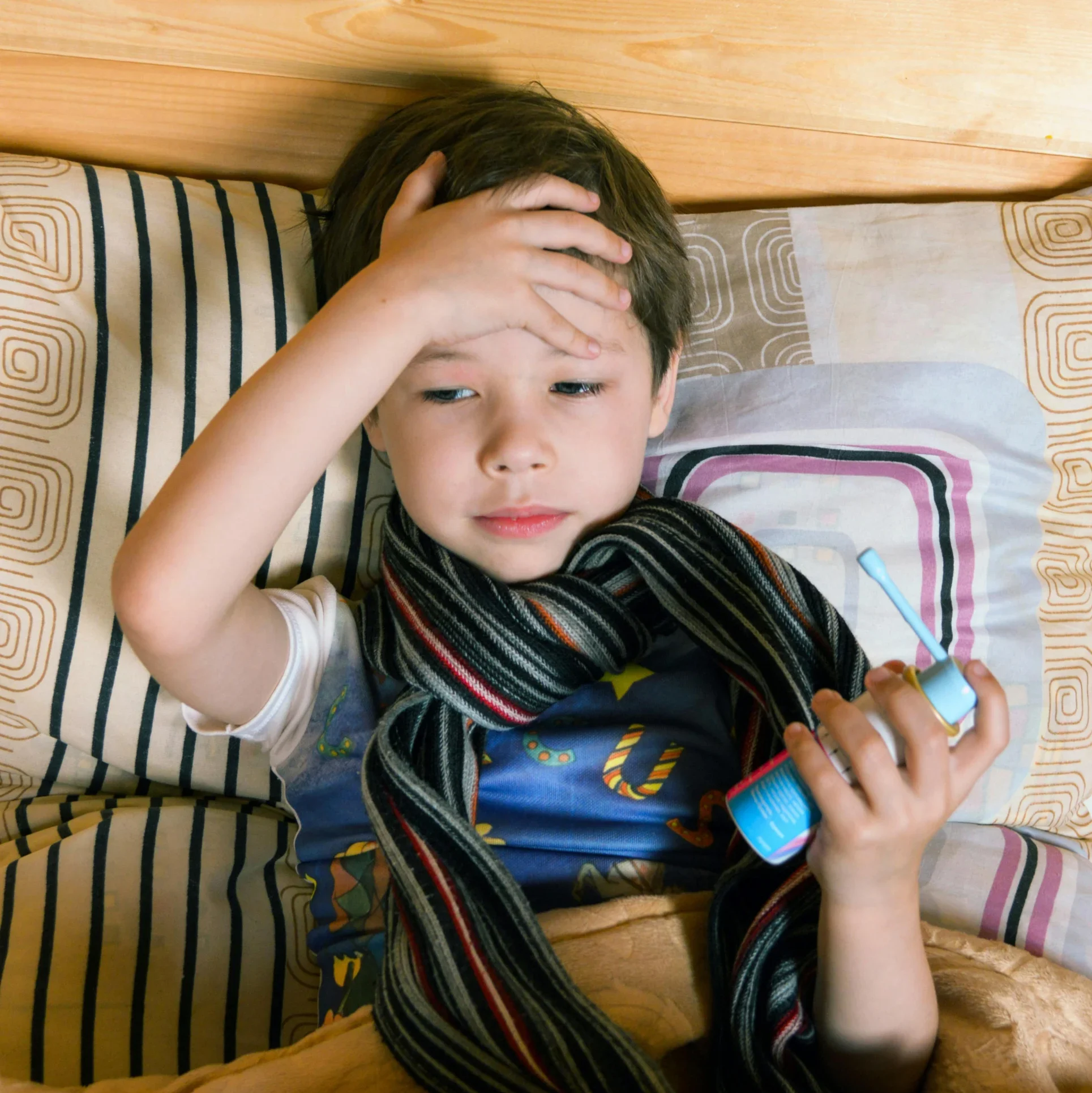
When Symptoms Seem Mild
Many parents begin by watching closely at home and paying attention to how their child is doing overall. Some breathing changes can happen with a cold, fever, crying, or activity, then settle again once the child is calm and resting.
That may include:
- encouraging rest
- offering fluids often
- keeping your child comfortable
- watching breathing and energy levels
- noticing whether symptoms improve over time
- paying attention to any changes that seem unusual
Breathing Changes Can Happen With Common Illnesses
Many breathing symptoms in children happen during a viral infection. A child may also have a runny nose, cough, congestion, or lower energy. In some cases, breathing problems may happen with asthma, croup, or bronchiolitis.
It can also help to know that breathing in children is not always the same as it is in adults and older children. Young children often breathe at a faster rate, so what matters most is noticing changes from your child’s usual breathing pattern. A breathing rate may increase with fever or crying, but it should settle again once your child is calm.
Pay Attention to Breathing Changes
Sometimes the biggest clue is not one single symptom. It is how your child looks and acts overall. A child may have a cough and still appear well. Other times, a child may seem to work harder to breathe, look less comfortable, or seem unusually tired.
Parents may notice the nostrils flaring while breathing, the chest pulling in near the rib area, or a grunting sound while breathing. Some children may have a harsh sound like stridor, while others may have a wheeze. These signs of respiratory distress can matter more than the cough itself.
It May Be Worth Reaching Out If
- your child is having trouble breathing
- breathing looks fast even when calm
- the chest pulls in with each breath
- grunting is heard
- color changes appear around the lips or face
- your child is too tired to drink, play, or respond normally
- the cough sounds worse and breathing seems harder
- something just does not feel right
When Parents Want More Than Reassurance
For many families, the question is not only what is causing the breathing change. It is whether they should continue watching, check in with a pediatric provider, or seek care sooner. That uncertainty is very common. Parents often want reassurance, but they also want clear guidance.
This can feel even more stressful with a toddler or younger child who cannot explain what feels wrong. A parent may only notice clinginess, poor sleep, lower appetite, crying, or unusual tiredness. That is why paying attention to the whole child matters just as much as noticing the sound or speed of breathing.
Support at Home Matters, but So Does Guidance
Helping your child through a respiratory illness often starts with simple support at home. Rest matters. Fluids matter. Comfort matters. Time is often part of recovery too. But parents should not feel like they have to sit with uncertainty when breathing seems harder, symptoms are changing, or their child does not seem like themselves.
When a child is not feeling well, having trusted pediatric support available can make it easier to know what may be okay to keep watching at home and what may need more attention. At times like these, access to pediatric guidance can help parents feel more supported and more sure about when to watch, when to reach out, and when to take the next step.
This is for educational purposes only and not a diagnosis or treatment plan.