It’s the middle of the night and your child is sick. They’re burning up with a high fever, crying, and nothing you’ve tried is helping. Your first instinct is to grab the car keys and head to the emergency room, but then you hesitate. The last time you went, you waited four hours to be seen for something that turned out to be an ear infection. There has to be a better way.
More and more parents are asking themselves the same question: does this really need an emergency room visit, or is there another option? The answer depends on what’s happening, and knowing the difference between urgent care vs the emergency department can save your family hours of stress, exposure to other sick children, and a bill you weren’t expecting. This guide helps you figure out the right choice for your child when the pediatrician’s office is closed.

Why Late-Night Decisions Are So Hard for Parents
When a child is sick or injured in the middle of the night, everything feels more urgent. The pediatrician’s office is closed, your child is miserable, and you don’t have anyone to call. Most parents default to the emergency room because it’s the one place they know is open. But not every illness or injury needs that level of care, and going to the emergency department for something non-life-threatening often means long waits surrounded by patients with much more serious conditions.
What surprises many families is how many options exist for after-hours care. Urgent care clinics, pediatric urgent care centers, nurse advice lines, and pediatric telehealth urgent care are all available in many areas, often 7 days a week. These services are specifically designed to handle common illnesses and non-life-threatening illnesses and injuries in children. Understanding what each option covers can help you make a calmer, more informed decision at 2 AM.
How to Decide Between Urgent Care, the ER, or a Virtual Visit
When your child is sick and you’re not sure where to go, start by asking yourself a few quick questions:
- Is this life-threatening or severe? Struggling to breathe, loss of consciousness, a seizure, a severe allergic reaction, an open or severe bone injury, a wound that won’t stop bleeding, or a sudden change in mental status all mean call 911 or go to the emergency room immediately.
- Is this urgent but not an emergency? A high fever in an infant, ear pain, a possible broken bone, a worsening cough from RSV or another respiratory illness, pink eye, or asthma flare-ups can often be handled at an urgent care clinic or pediatric urgent care center.
- Is this something that could wait but you need guidance now? Fever management questions, mild rashes, stomach bugs, or concerns about COVID-19 symptoms can often be addressed through after hours pediatric care or a virtual visit from home.
No list covers every situation perfectly. When in doubt, calling your child’s pediatrician’s after-hours line or a nurse advice line can help you decide whether to take your child to an urgent care clinic or the emergency room.
What Urgent Care Can Handle That Many Parents Don’t Realize
Many parents skip urgent care because they assume it’s only for adults or that the staff won’t know how to treat children. But pediatric urgent care centers are staffed by providers trained in pediatrics who see kids all day. They can handle ear infections, minor head injuries, sprains, mild allergic reactions, stomach illnesses, respiratory illness, and many other common concerns. Some locations even have x-ray equipment on site for evaluating a possible broken bone.
The experience is usually faster and less overwhelming than a visit to the emergency department. Wait times tend to be shorter, the environment is calmer, and the focus is on same-day medical care for illnesses and injuries that need attention but aren’t life-threatening. If the care center determines your child needs a higher level of care, they’ll send you to the emergency department with notes so the staff there already knows what’s going on. It’s a smart middle step that many families don’t think of when the pediatrician’s office is closed.
When the Emergency Room Really Is the Right Call
There are absolutely times when the emergency room is where your child needs to be, and no parent should hesitate in those moments. If your child is struggling to breathe, has had a severe allergic reaction with swelling that affects their ability to speak or swallow, has lost consciousness, cannot walk or move a limb after an injury, or has a fever and is under three months old, go directly to the emergency department or call 911. A pediatric emergency department at a children’s hospital is ideal when one is nearby, because the staff and equipment are designed specifically for kids.
Head injuries also deserve extra caution. A child who bumps their head and cries but quickly returns to normal is different from one who vomits repeatedly, seems confused, or becomes unusually sleepy after a fall. When something feels truly wrong, trust that instinct. The emergency room exists for these moments, and no one will judge you for being there. It’s better to be treated in the emergency department and sent home reassured than to wait and wish you hadn’t.
A Third Option More Parents Are Discovering
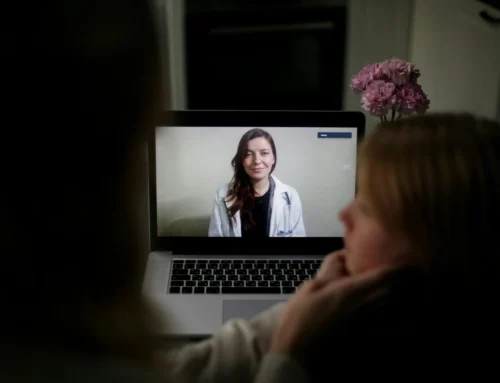
Here’s what’s changing the equation for many families: virtual care. When your child is sick in the middle of the night and you’re standing in the kitchen wondering whether this is an emergency or not, a virtual visit lets you connect with a doctor from home. No driving, no waiting room, no exposing your already sick child to more germs. Pediatric experts can evaluate symptoms over video, help you decide if your child needs to be seen in person, and in many cases prescribe medication or recommend a treatment plan right then.
This isn’t a replacement for the emergency room or even urgent care when hands-on medical care is needed. But for the many situations where a parent mostly needs guidance, reassurance, and a clear next step, virtual care fills a gap that didn’t exist a few years ago. It’s especially helpful for managing fever in the middle of the night, deciding whether a rash needs immediate attention, or figuring out if a cough warrants seeking care at a clinic or can be safely monitored at home.
Support at Home Matters, but So Does Guidance
The hardest part of parenting a sick child isn’t the illness itself. It’s the uncertainty. Not knowing whether to drive to the ER, wait until morning, or try to manage things at home can feel paralyzing, especially in the middle of the night. Our team is available when you need us. If your child is sick and you’re not sure what to do, you can reach out anytime for guidance on the appropriate care for your situation. Sometimes the best next step is just knowing who to call.
This blog is for informational purposes only and is not a substitute for professional medical advice, diagnosis, or treatment. Always consult your child’s doctor or a qualified healthcare provider with any questions you may have regarding a medical condition.