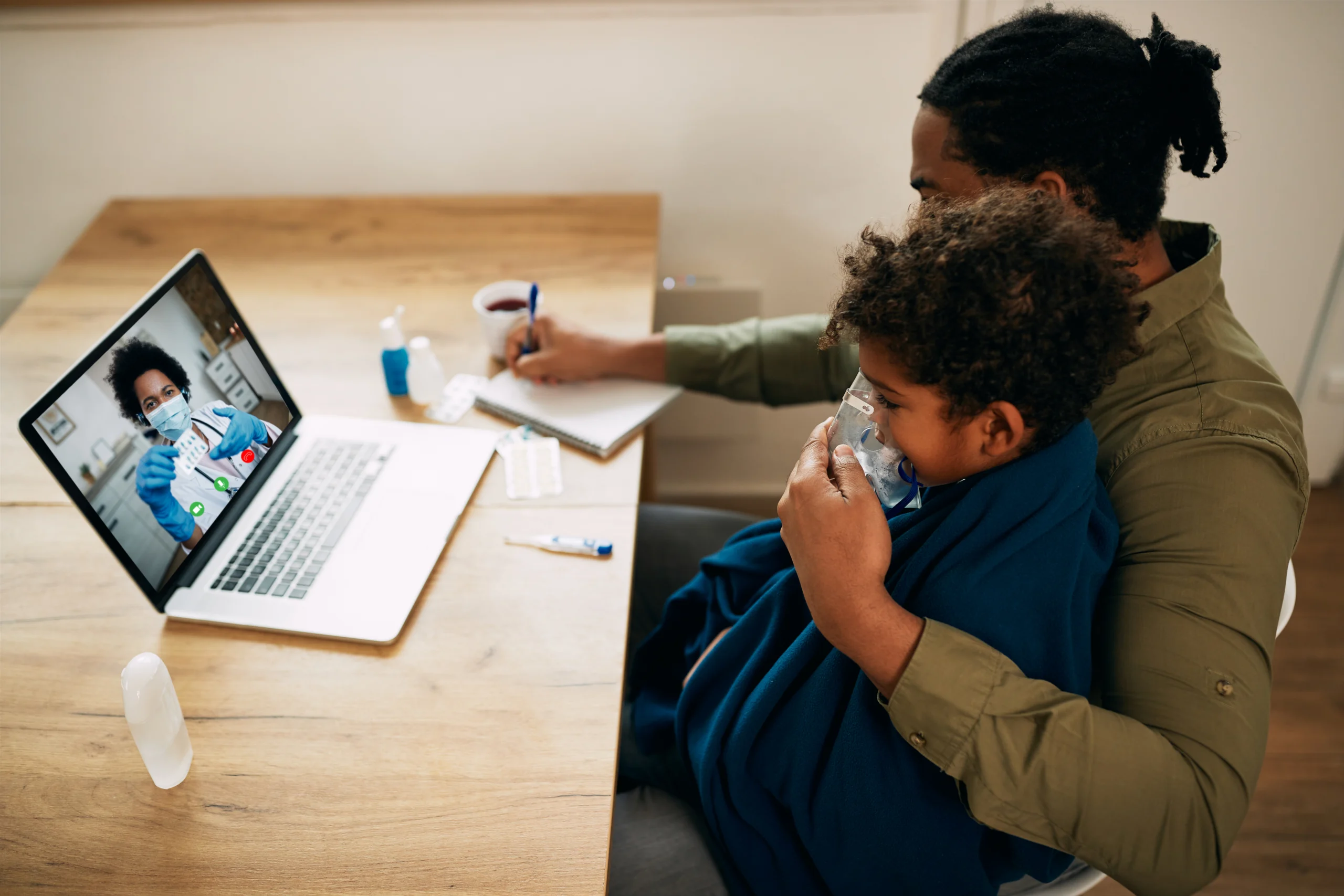
You finally booked a telehealth appointment for your child and now you are second-guessing yourself. Will the doctor actually be able to see enough through a screen? What if your toddler refuses to cooperate? Is this going to feel like a real visit or just an awkward video call? These are completely normal questions for a parent doing this for the first time.
The short answer is that a pediatric telehealth visit works better than most parents expect, and a little preparation goes a long way toward making it feel just as useful as walking into a clinic. Here is what you need to know before you connect.

What a Telehealth Visit Actually Looks Like
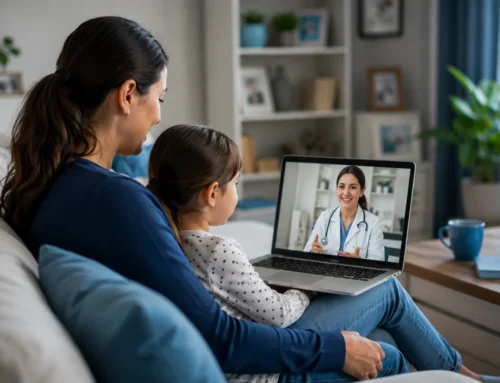
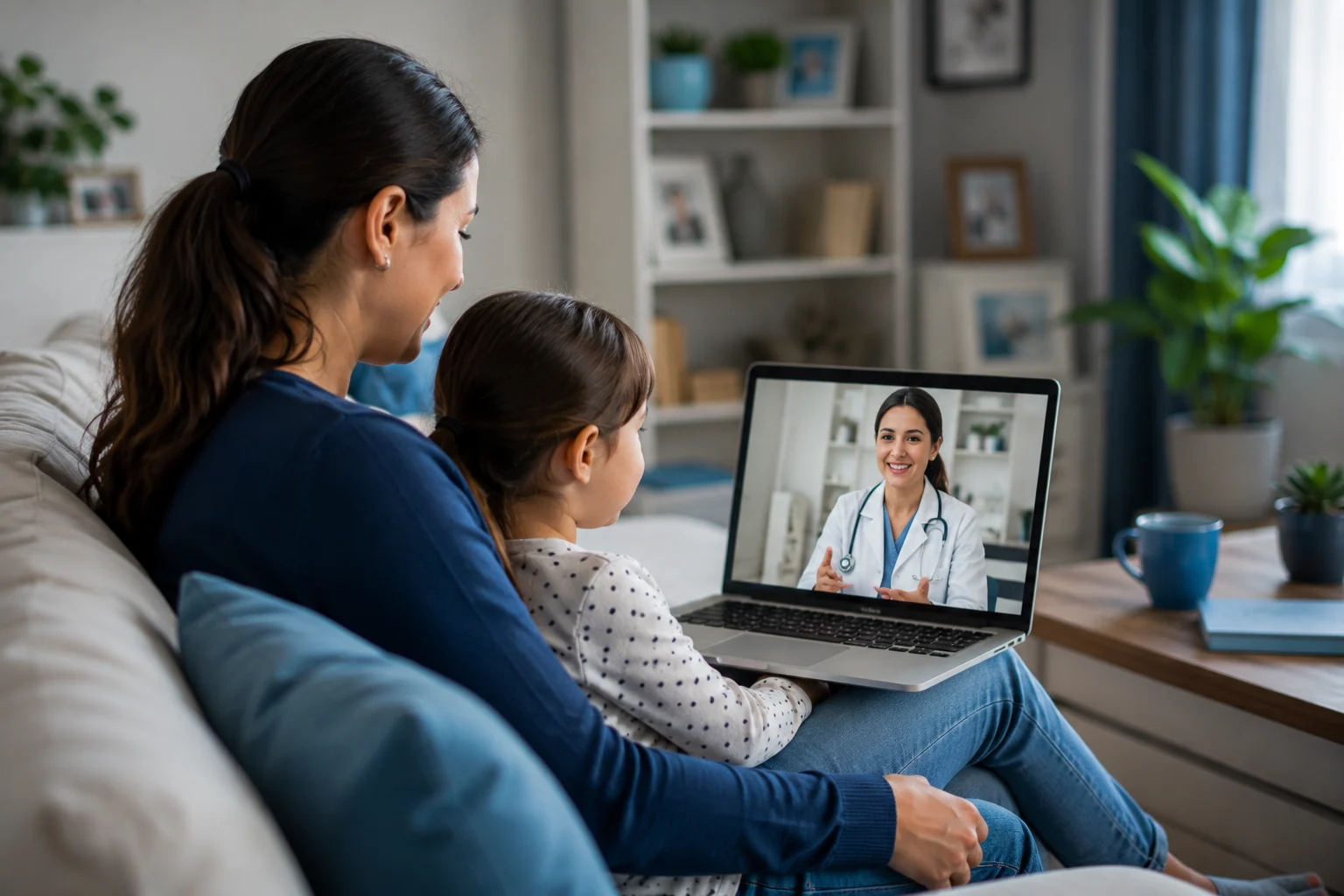
A video visit with a board certified physician follows the same basic flow as an in-person visit. The physician introduces themselves, asks about your child’s symptoms, reviews any relevant history, and works through what your child needs in real time.
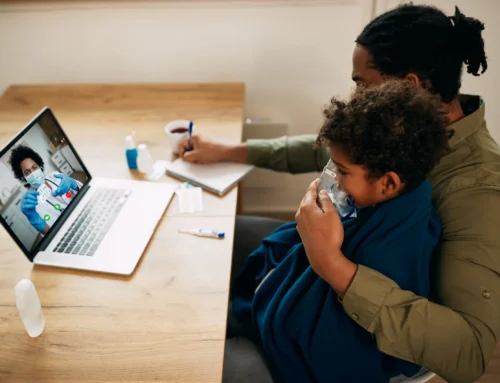
The difference is that you are doing it from home rather than a waiting room. Telehealth allows the physician to observe the child, assess how they are moving and breathing, check visible symptoms like a rash, and gather enough information to make informed clinical decisions in most cases.
What surprises many parents is how much a doctor can accomplish through a camera and microphone alone. A sore throat, ear complaint, or skin concern can be evaluated visually. Behavioral patterns, developmental milestones, and mental health concerns can be discussed meaningfully in a virtual format.
For minor illnesses and injuries, medication management, and follow-up care, a telehealth visit covers the same ground as a clinic visit without the travel time or waiting room.
How to Prepare Before the Visit
A little setup before your child’s appointment makes the whole experience run more smoothly. The goal is to reduce friction so the doctor can focus on your child rather than troubleshooting technology.
- Test your device beforehand to make sure the camera and microphone are working and the connection is stable
- Choose a quiet, well-lit room where your child’s face is clearly visible on screen
- Have a list of your child’s symptoms ready, including when they started and anything that makes them better or worse
- Gather any medications your child is currently taking so you can review them if needed
- Keep a flashlight handy in case the physician asks you to look inside your child’s mouth or check their throat
A parent or caregiver must be present for the entire visit, particularly for younger children. For a telehealth visit with a toddler, having a favorite toy or snack nearby helps keep them calm and cooperative during the assessment. The child and the provider need to be able to see each other clearly, so positioning matters more than most parents think about in advance.
What Conditions Work Well for a Virtual Visit
Pediatric telehealth visits can handle many common childhood concerns. Things like colds, coughs, urinary tract infections, rashes, pink eye, and sore throats can all be assessed by a pediatrician through a virtual visit. Follow-up appointments, medication check-ins, and general health questions that do not require a hands-on exam are also a great fit for online care.
Telehealth also works well for behavioral health concerns, developmental questions, and ongoing support for conditions like autism spectrum disorder, where consistent access to the care team matters but every conversation does not need to happen in a clinic.
Mental health professionals and pediatric specialists increasingly offer telehealth services, which expands access to subspecialty care for families who would otherwise face long waits or significant travel. Telemedicine offers a practical path to consistent care for families with busy schedules, limited transportation, or children who find clinic environments stressful.
When an In-Person Visit Is Still Needed
A telehealth visit is not the right fit for every situation, and a good board certified physician will tell you clearly when an in-person visit is needed rather than trying to manage something that requires hands-on care. If your child needs a physical exam, diagnostic imaging, lab work, or urgent intervention, the doctor will let you know that coming into the office or going to urgent care is the appropriate next step.
Telehealth is not designed to replace in-person visits for well-child checks, though some developmental conversations and anticipatory guidance can happen virtually. If your child’s appointment involves a physical exam to assess growth, reflexes, or milestones to look at like whether a toddler can crawl or walk on track, an in-office visit will be recommended. The goal of pediatric telemedicine is to complement in-person care, not to substitute for it when physical presence genuinely matters.
Making the Most of the Time You Have
The benefits of telehealth are most felt when parents come in prepared and engaged. Treat the video visit with the same focus you would bring to a clinic appointment. Have your questions written down before you connect, share your child’s symptoms clearly and in order, and do not hesitate to ask the physician to clarify anything you did not fully understand. A telehealth appointment moves at a similar pace to an in-office visit, and the physician is there to address your child’s health needs fully, not to rush through a checklist.
How to prepare for a telehealth visit with your child really comes down to one thing: reduce the variables you can control so the physician can focus entirely on what matters. A stable connection, a cooperative child, and a prepared parent or guardian make a real difference in what a board certified physician can accomplish in the time you have together.
Support at Home Matters, but So Does Guidance
If you have been putting off getting your child seen because you were not sure how a virtual visit would work, this is your sign to schedule a visit and find out. Our board certified physicians are available online any time to provide medical care and advice, address your questions or concerns, and prescribe treatment when it is needed, all without anyone having to come into the office.
This blog is for informational purposes only and is not a substitute for professional medical advice, diagnosis, or treatment. Always consult your child’s doctor or a qualified healthcare provider with any questions you may have regarding a medical condition.