Your child comes in from outside looking fine — and then an hour later, there it is. A red, angry rash creeping up their arm that definitely was not there before. If you are trying to figure out whether it is poison oak, sumac, or something else entirely, you are in good company. These plants trip up even seasoned outdoor parents, and telling them apart is honestly not that important. What matters is knowing how to handle what comes next.
Why These Plants Irritate the Skin
Poison ivy, oak, and sumac all produce the same oily substance — urushiol — that causes an allergic reaction when it touches skin. This is contact dermatitis, which is just a clinical way of saying the skin is reacting to something it came in contact with. No virus, no infection. Just an immune system that really did not appreciate that afternoon hike.
Here is the part that surprises people: your child does not have to actually touch the plants to end up with a reaction. The oil can stick to clothing, shoes, and garden tools, and even hitch a ride on a dog’s coat. If your child grabbed a jacket that brushed against oak or sumac earlier in the day, that is enough to cause a rash.
You May Notice
Reactions to these plants usually show up within a day or two after exposure. The classic signs include red streaks or patches where the plant made contact, small fluid-filled blisters, and itching that tends to get worse as the evening goes on. Swelling — especially near the eyes — is also common, and it can look alarming even when it is not serious.
One thing worth clearing up early: the rash is not contagious. It cannot pass from person to person, and touching the blisters will not make it spread further. When a rash seems to be moving to new areas, it is usually because those spots came in contact with the oil at slightly different times — not because anything is spreading.
Younger kids who cannot describe how they feel may just seem cranky, restless, or off. A closer look at their skin after outdoor time can be telling.
What Helps at Home
The first move is always to wash up. Get the plant oil off the skin with soap and water as quickly as you can, and throw their clothes straight into the wash. The faster you remove the oil, the milder the reaction is likely to be.
After that, a few simple things make a real difference:
- A colloidal oatmeal soak to calm down angry, inflamed skin
- Calamine lotion or hydrocortisone cream dabbed onto the itchy spots — both are good options depending on what you have on hand
- Cool, damp compresses for swelling or heat
- An antihistamine at night if the itching is keeping your child awake — check with your pediatrician on the right one for their age
- Short fingernails, which sounds small but prevents a lot of scratched-open skin
Most children get through it in one to three weeks. A more significant sumac rash or a heavy exposure can stretch that timeline, but steady home care usually gets the job done.
When It Is Worth Calling a Doctor
Home care handles most cases just fine. But reach out to your pediatrician if the rash covers a large portion of the body, the blisters break open and start looking infected, or your child develops a fever. Reactions on the face or genitals tend to need faster attention, and any swelling around the eyes or mouth is worth getting evaluated promptly.
In more severe cases, a prescription steroid can bring real relief when over-the-counter options are not enough. A telehealth visit makes it easy to get a pediatric provider to look things over and send a prescription to your pharmacy — without anyone having to sit in a waiting room.
A Word on Prevention
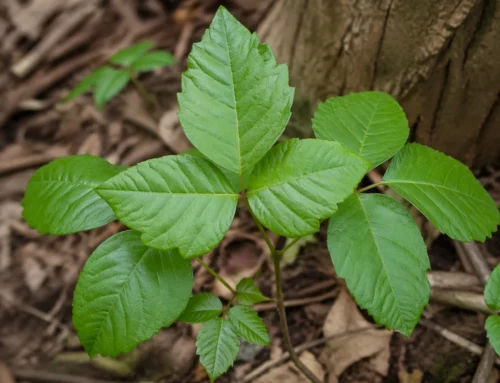
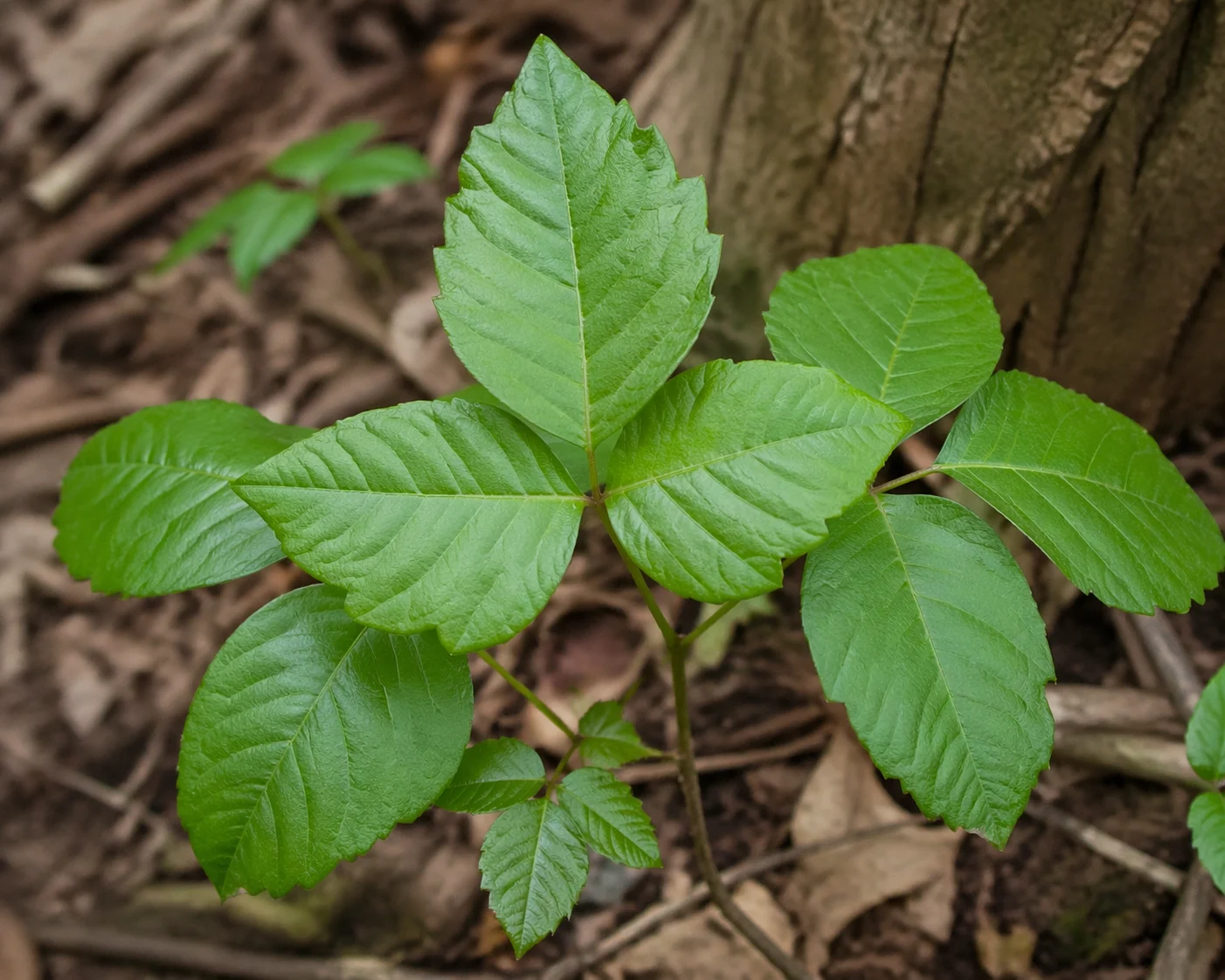
Recognizing poison ivy is a useful skill to pass along to kids — “leaves of three, let it be” is the rhyme most people know. Oak and sumac look a bit different, but the lesson is the same: unfamiliar plant, no touching.
For bigger outdoor adventures, long sleeves and long pants go a long way in brushy or wooded areas. Afterward, wash their clothes and shoes — and if the family dog comes along, wash your pet too. That fur can carry plant oil right back into the house.
Support at Home Matters, but So Does Guidance
A brush with a poisonous plant is rarely dangerous, but it can make for a miserable few days. If you are not sure whether home care is enough or things seem to be getting worse, reaching out to a trusted pediatric provider can help you get clarity on what to do next.