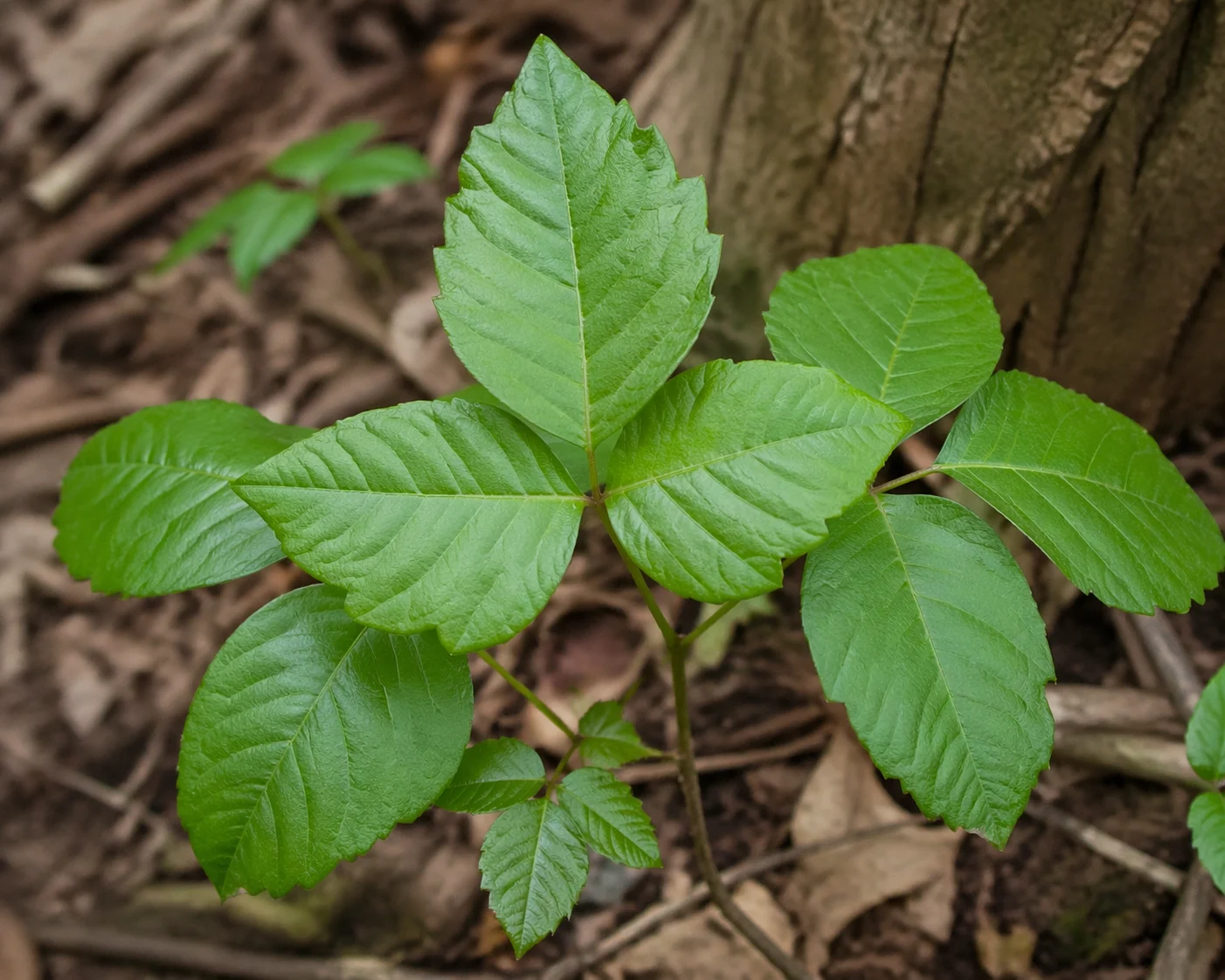
Most parents have poison ivy on their radar. Euphorbia? Probably not — and that is exactly the problem. This enormous group of plants is hiding in plain sight in backyards, garden centers, and living rooms across the country, and it can cause some seriously uncomfortable reactions in children who come into contact with it.
The tricky part is that many of these plants do not look dangerous at all. Some resemble succulents. Some look like a cactus. Some are sitting on kitchen windowsills as cheerful little houseplants. Knowing what you are dealing with before something happens is genuinely useful.

What Makes These Plants So Irritating
Euphorbia plants produce a thick, milky sap when their stems or leaves are broken. That sap is the problem. It acts as a powerful irritant on skin, eyes, and the lining of the mouth — and it does not take much of it to cause a reaction. In medical terms, this is a form of contact dermatitis, and euphorbia is actually considered the prototype of irritant contact dermatitis because the reaction is so consistent and well-documented.
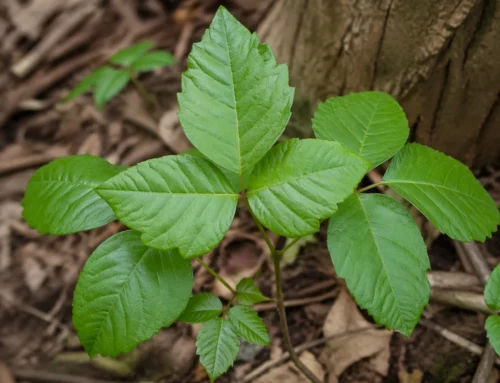
You might recognize some of these by their common names. The pencil cactus — also called euphorbia tirucalli or the firestick plant — is a popular decorative plant that looks like orange sticks bundled together. Euphorbia myrsinites is a common garden ground cover. The poinsettia, which most families bring home every December, is technically a euphorbia too. So is the castor oil plant. Even some plants such as philodendron cause similar skin reactions through different mechanisms, but spurge family plants tend to be among the more potent offenders.
You May Notice
Reactions do not always show up right away. It is common for symptoms to develop several hours after the initial exposure, which can make it hard to connect the dots. What parents notice depends a lot on where the sap landed.
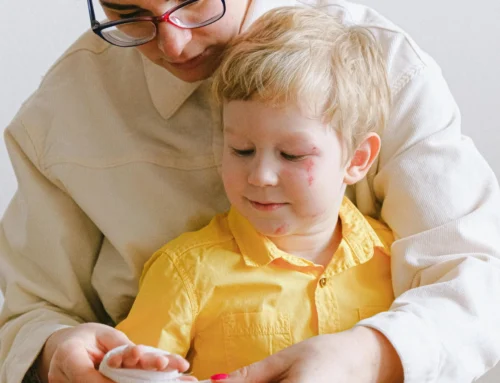
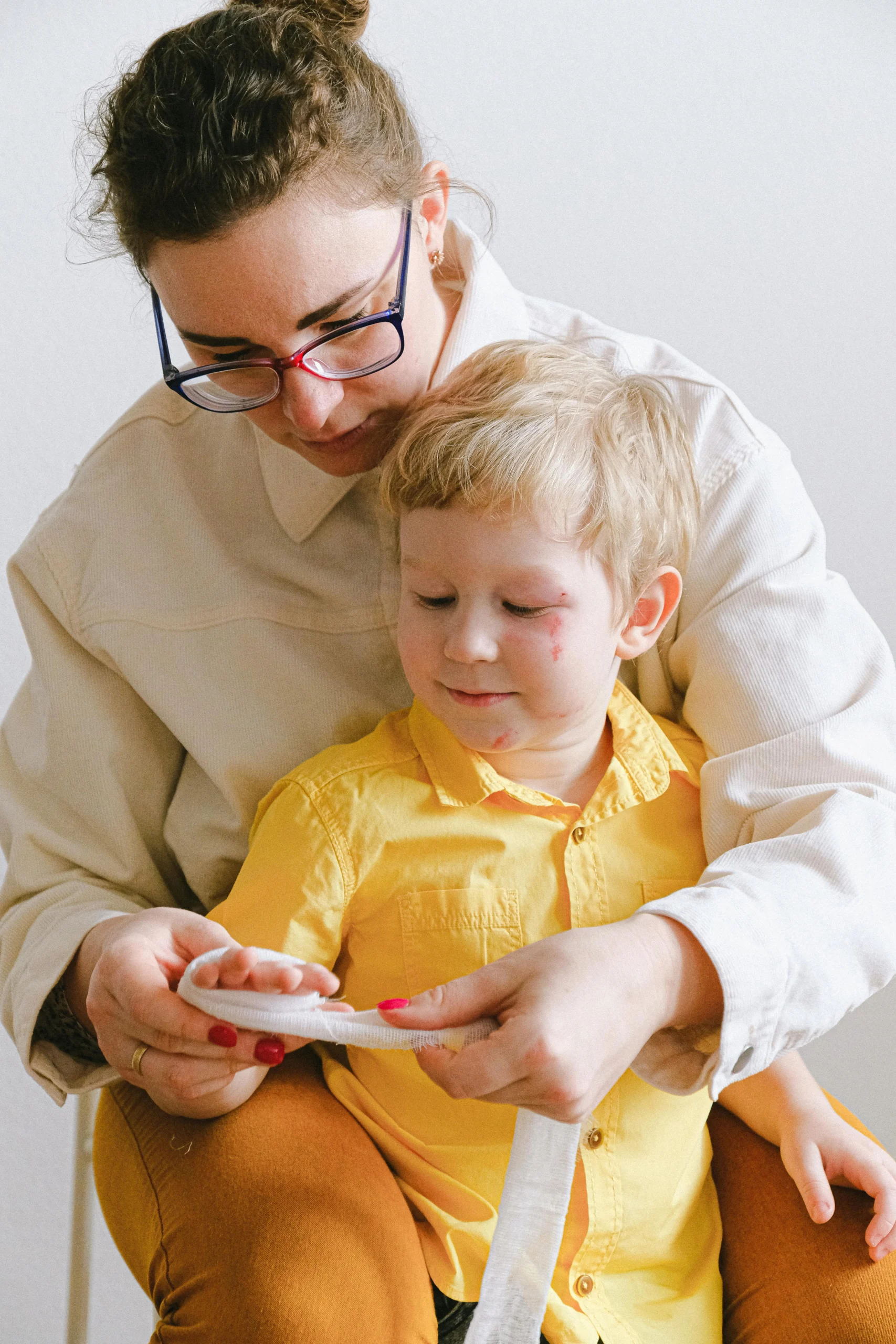
Skin contact typically causes redness, a burning sensation, and sometimes blistering. It can look a lot like a reaction from poison oak or poison sumac — streaky, red, and deeply uncomfortable. Some children develop straightforward irritant dermatitis, while others with more sensitive immune systems may show signs of allergic contact dermatitis, where the reaction is more intense and takes longer to settle down.
Eye exposure is a different situation entirely. If the sap gets near a child’s eyes — which happens easily when little hands touch the plant and then touch their face, the resulting inflammation can be rapid and severe. Swollen, red, painful eyes after outdoor or indoor plant time should be taken seriously.
If a younger child manages to ingest any part of the plant, watch for drooling, refusing to eat, or crying without an obvious cause. Older children may complain of a burning sting in their mouth or throat. Either way, that is a call-your-doctor moment.
What to Do First
Speed matters here. The faster you remove the sap, the milder the reaction tends to be. Wash the affected skin with soap and water right away. Plain water alone may not be enough to remove plant residue, so a mild soap with a thorough rinse is the better move.
For eye exposure, flush with clean running water for at least 15 minutes and call your pediatrician or head to urgent care right away. Do not wait to see if it improves on its own. If you are concerned your child may have swallowed any part of the plant, contact your local poison control center for guidance.
For a skin reaction without eye or mouth involvement, cool compresses and a topical hydrocortisone can help take the edge off while things heal. Keep your child from scratching, since broken skin over a rash can open the door to a secondary infection.
Keeping It From Happening Again
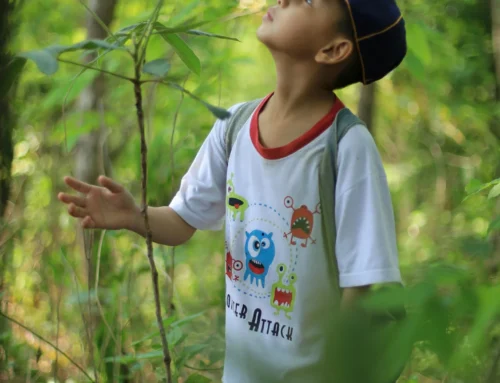
A good first step is simply knowing what is growing in your space. Many of these plants are sold at garden centers without any warning labels, and a quick search of what you have at home might be eye-opening. If you do have euphorbia plants, keeping them out of reach of young children is worth the effort.
Teaching kids that any plant with a white, milky liquid inside is off-limits is a simple rule that goes a long way. Adults handling these plants for pruning or repotting should wear gloves — the sap exposure risk is just as real for grown-ups.
Support at Home Matters, but So Does Guidance
A mild skin reaction after touching one of these plants is usually manageable at home. But eye involvement, ingestion, or a reaction that keeps spreading are situations where getting a professional opinion quickly makes a real difference. Our board-certified pediatric specialists are available online any time — no waiting room, no runaround, just fast answers when your child needs them.