Your child wakes up with a sore throat and you are already doing the mental math — is this just a cold or something that needs a doctor?
Sore throats are one of the most common reasons parents reach out to a board certified physician, and for good reason. Sometimes it is a virus that will pass on its own. Sometimes it is strep throat in kids, and that one needs proper treatment to clear up safely.
Knowing the difference matters. And not just for your child’s comfort, but because untreated strep throat can lead to complications that are entirely preventable. Here is what parents should know.
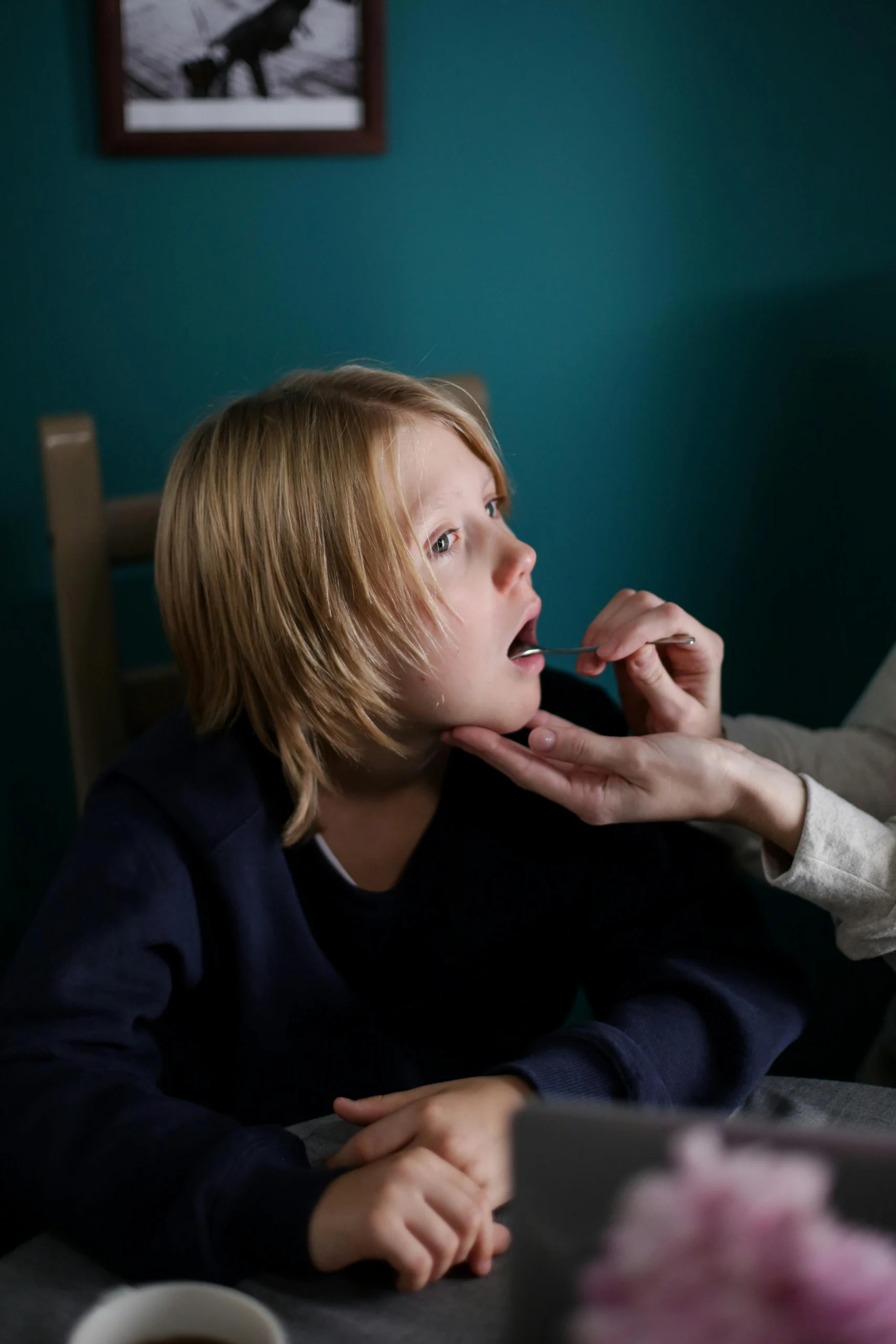
Why Strep Throat Is So Common in Children
Strep throat is a bacterial infection caused by group A streptococcus, streptococcus pyogenes — and it spreads easily through respiratory droplets when someone nearby coughs or sneezes. Strep throat in children is most common in kids ages 5 to 15 who spend time together at school or daycare, though children younger than 3 can get it too.
Unlike a sore throat caused by a virus, strep throat is a bacterial infection that will not resolve on its own. Strep throat vs sore throat in children comes down to one key question — do antibiotics need to be involved?
A viral sore throat will not respond to antibiotic treatment at all, which is exactly why testing before treating matters so much.
Symptoms of Strep Throat to Watch For
Strep throat symptoms kids commonly experience include a sudden and significant sore throat, pain when swallowing, and swollen tonsils, sometimes with white patches or streaks visible at the back of the throat. Swollen lymph nodes along the neck, fever, and headache are also typical signs. What strep throat usually does not cause is a runny nose or cough. When those are the main complaints, a virus is far more likely.
In some cases, a child with strep throat will also develop a rash that feels rough like sandpaper and spreads across the body. When this rash appears alongside a sore throat, it’s known as scarlet fever. It sounds scary, but scarlet fever is treated the same way as strep throat, with antibiotics. Any child who develops a sore throat with this type of rash should be seen by their doctor right away.
What to Do When You Suspect Strep
The most important step when strep throat symptoms appear is getting your child tested, not assuming and treating.If the rapid strep test is negative but symptoms are strong, a throat culture may be sent to confirm since it is more sensitive and catches cases the rapid test misses.
- Keep your child home from school or daycare until they have been on antibiotics for at least 24 hours and are fever-free
- Encourage fluids and soft foods — swallowing is painful and staying hydrated matters
- Over-the-counter pain relievers like acetaminophen or ibuprofen help manage throat pain and fever
- Do not share utensils, cups, or drinks while the infection is still contagious
- Watch for symptoms that worsen or do not improve within 1 to 2 days of starting antibiotics
A positive strep test means antibiotic treatment is needed right away — and the entire course of antibiotics should be completed even after your child starts feeling better. Stopping antibiotics early is one of the most common mistakes parents make, and it can allow the strep infection to return or worsen.
What Antibiotic Treatment for Strep Throat Looks Like
Amoxicillin and penicillin are the most commonly prescribed antibiotics for strep throat, and both work well against the bacteria that causes strep. For children who are allergic to penicillin, your doctor can recommend alternative antibiotics based on your child’s history. Most children feel noticeably better within 1 to 2 days of taking antibiotics, though the full course of treatment typically runs ten days.
Untreated strep throat carries real risks worth understanding. The most serious is rheumatic fever, an inflammatory condition that can damage the heart, joints, and nervous system. The risk of rheumatic fever is exactly why treating strep throat with antibiotics promptly matters. These complications are entirely preventable when the infection is caught and treated correctly.
What to Watch for After Treatment Starts
Most children with strep throat improve quickly once antibiotic treatment begins. Watch for signs, like a fever that returns after going away, throat pain that keeps getting worse, difficulty opening the mouth, or significant swelling on one side of the throat. These could indicate a complication that needs prompt evaluation by your child’s doctor.
It is also worth paying attention to how your child is coping emotionally. Rest, comfort, and reassurance go a long way when a child has strep throat and is genuinely miserable.
Helping Prevent Strep Throat From Spreading
Strep throat spreads through droplets when someone who has strep throat coughs or sneezes, making regular handwashing one of the most effective prevention tools available. Teach children to wash their hands before eating and after blowing their nose or sneezing. Not sharing drinks or utensils, staying home when sick, and avoiding close contact with someone who has strep throat all help stop the bacteria from spreading through a household or classroom.
For families where strep throat infections keep coming back, it is worth asking your pediatrician whether anyone in the household might be a strep carrier, someone who harbors the bacteria without feeling sick but continues to spread it to others.
Support at Home Matters, but So Does Guidance
If your child wakes up with a sore throat and you are not sure whether to wait it out or get them tested for strep throat, you do not have to guess. Our doctors are available online around the clock and can assess your child’s symptoms, order testing if needed, and prescribe the right antibiotic treatment without anyone having to sit in a waiting room. A trusted doctor can help you understand what you are seeing and what to do about it.
This blog is for informational purposes only and is not a substitute for professional medical advice, diagnosis, or treatment. Always consult your child’s doctor or a qualified healthcare provider with any questions you may have regarding a medical condition.