Your child comes home from a day of cheering at their school game and sounds like a completely different person. Their voice is raspy, lower than usual, and a little strained. You figure it will pass, and usually it does. But when a hoarse voice sticks around longer than expected, or keeps coming back without an obvious reason, it is worth understanding what might actually be going on.
This is a parent resource to help you make sense of what causes a child’s voice to change, what helps at home, and when it is time to get a doctor involved.
Why Kids Lose Their Voice More Than Adults
Children use their voices hard. Frequent yelling, loud play, and cheering all put repetitive strain on the vocal cords, the small folds of tissue inside the larynx that vibrate to produce sound. Because children’s vocal folds are smaller and more delicate than adult ones, they are more vulnerable to the kind of overuse that leads to hoarseness. Most of the time a raspy voice after a loud day resolves with rest and is nothing to worry about.
What surprises parents is that a child’s voice does not always go hoarse because of how loud they have been. Allergy irritation, acid reflux, sinusitis, and even conditions present from birth can all affect the voice box in ways parents do not always connect to hoarseness. A common cold is one of the most frequent triggers, as inflammation from a respiratory infection can affect the larynx quickly. The question worth asking is not just why it started, but why it is not going away.
You May Notice
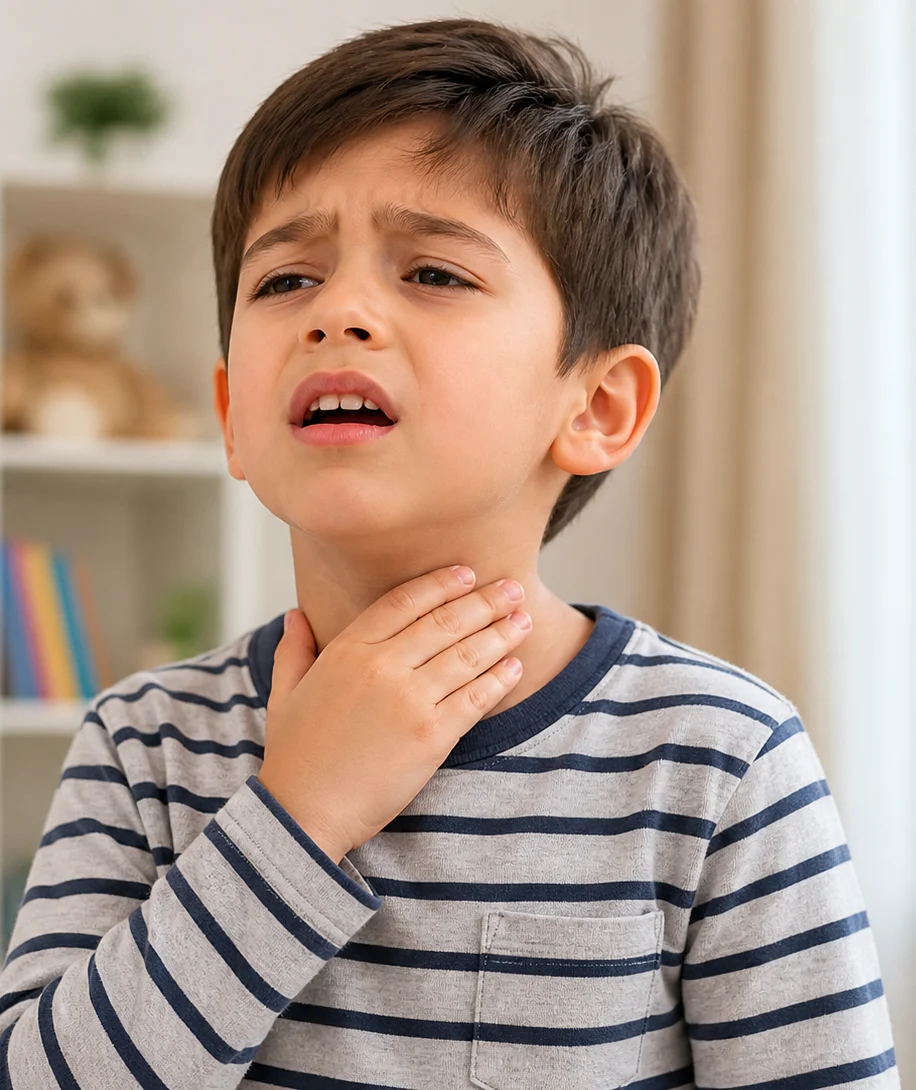
A hoarse voice in children typically sounds raspy and deeper than usual, breathy, or strained, like your child is working harder than normal to get sound out. The quality of the voice may shift throughout the day, often worse in the morning or after extended talking. Some children describe a tight or scratchy feeling in their throat even when they are not sick.
In younger children, hoarseness is easy to overlook because they may not mention it. Parents often spot it first, a voice that sounds off, noisy breathing when the child is calm, or a child who seems to be straining to speak. When hoarseness lasts more than two to three weeks without a clear cause like a recent cold, that is the point where getting it evaluated makes sense.
What Helps at Home First
For hoarseness following a cold or a particularly loud event, rest is the most effective first step. Encouraging gentle talking, not whispering, which actually strains the vocal folds more, and staying well hydrated helps the voice recover. Warm liquids are soothing, and a humidifier can reduce the dryness that aggravates irritation overnight.
Encourage voice rest through gentle talking rather than whispering or yelling. Keep fluids going throughout the day, especially warm liquids. Run a humidifier at night to keep airways moist. Avoid smoke, strong scents, or dry indoor air that can irritate the throat. If allergy or reflux seems to be a factor, mention it to your child’s doctor before trying to manage it alone.
Good vocal hygiene, the everyday habits that protect the voice, matters more than most parents realize. A child who regularly pushes their voice past its limits is at higher risk for developing vocal cord nodules, which are the most common cause of chronic hoarseness in children that does not resolve on its own.
When It Needs a Closer Look
Child hoarse voice causes range from simple overuse to things that benefit from medical attention. Vocal cord nodules, small growths on the vocal folds from repeated strain or misuse, are the most frequent reason hoarseness does not clear up. They are not dangerous but tend not to resolve without addressing the underlying vocal habits, and voice therapy is often part of the treatment.
Other causes include laryngitis from infection, stomach acid irritating the larynx through reflux, allergy-driven inflammation, and in some cases conditions like a laryngeal cyst or vocal cord paralysis affecting one or both vocal folds. When to see a doctor for a hoarse voice in a child is fairly straightforward. If it has lasted more than two to three weeks, is getting worse, or comes with noisy breathing or difficulty swallowing, your child’s doctor should take a look.
What a Doctor Visit Looks Like
If your doctor determines the hoarseness needs further investigation, they may refer your child to a pediatric ENT, a specialist in disorders of the head and neck. Depending on what is suspected, the specialist may use a flexible laryngoscopy, where a thin scope passes gently through the nose to view the vocal cords. This is typically done in the office without anesthesia.
Treatment options depend entirely on what is found. Vocal cord nodules respond well to voice therapy and improved vocal hygiene. A polyp, cyst, or other lesion may need a minor procedure. Reflux and allergy-related hoarseness are managed by treating the underlying condition. Your doctor will walk through the options with you depending on the cause.
Helping Prevent Hoarseness From Becoming a Habit
Teaching children that their voice is something that can be strained, just like a muscle, helps them make better choices about how they use it. Simple habits like not yelling across rooms, drinking enough water, and resting after loud activities go a long way toward keeping chronic hoarseness from becoming a recurring pattern.
For children in sports or performing arts where vocal demands are high, building in regular voice rest and keeping hydration consistent are worth prioritizing. Managing known allergy triggers like pollen and keeping sleeping spaces humidified also helps reduce flare-ups, especially during seasons when irritants are at their worst.
Support at Home Matters, but So Does Guidance
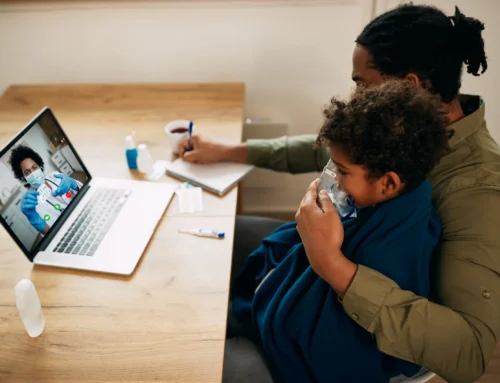
A raspy voice that keeps coming back or simply will not clear up is worth having looked at, not because it is necessarily serious, but because knowing what is causing it makes it far easier to address. Our doctors are available online any time to help assess your child’s symptoms, determine whether a referral to an ENT is the right next step, and answer the questions that are keeping you up at night.
This blog is for informational purposes only and is not a substitute for professional medical advice, diagnosis, or treatment. Always consult your child’s doctor or a qualified healthcare provider with any questions you may have regarding a medical condition.