One second your toddler is standing next to you in the kitchen, and the next they have grabbed the edge of a hot pan or pulled a cup of tea off the counter. It happens faster than any parent expects, and that first minute of knowing what to do can make a real difference in how things heal.
This is a parent resource to help you understand the right steps to take, how to tell a minor burn from something more serious, and when a child’s burn needs a doctor rather than home care alone.
Why Young Children Are at Higher Risk
Toddlers are disproportionately affected by burn injuries because of their increased mobility and natural curiosity. They are constantly reaching, pulling, and exploring toward things that are hot, and their skin is thinner and more sensitive than adult skin, which means the same heat source causes a deeper injury more quickly. Hot liquids are the leading cause of burns in this age group, from spilled drinks to hot tap water during bath time.
What surprises many parents is how much location matters alongside size. A burn on the face, hands, or feet carries a different level of concern than the same size burn on the arm or back. Even a burn that does not look dramatic may need a closer look if it is in a sensitive area, if it involves a very young baby or child, or if there is any uncertainty about how deep it goes.
What to Do Right Away
The single most important step when a child gets a burn is to cool it immediately. Not with ice, not with butter or toothpaste, but with cool running water.
- Run cool water over the burned area for at least 20 minutes to help reduce pain and limit how deep the injury goes
- Remove clothing or jewelry near the burned area gently, unless anything is stuck to the skin
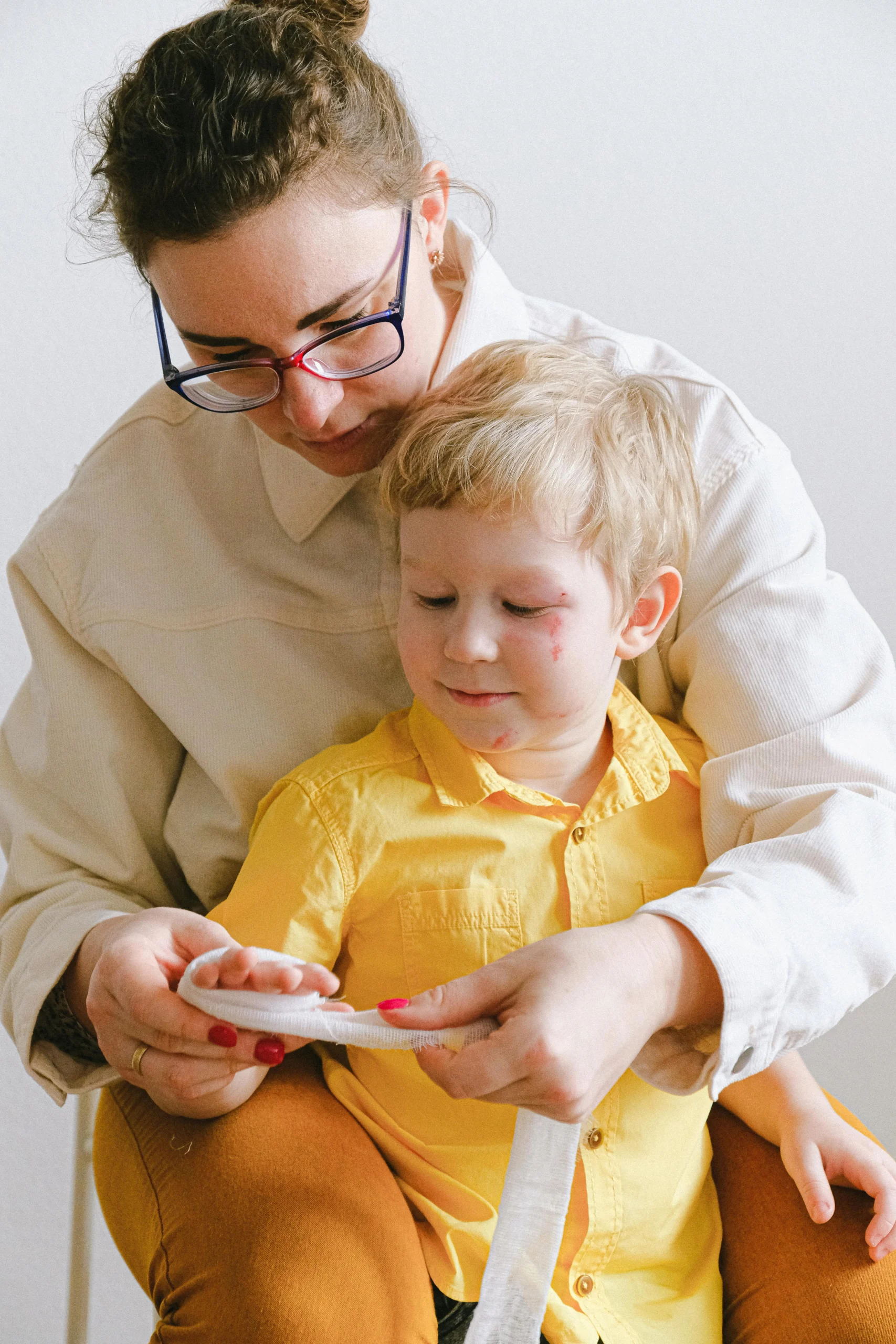
- Once cooled, cover the burn loosely with cling film or a clean non-fluffy bandage
- Do not apply ointment or any home remedies as these trap heat and raise the risk of infection
- Keep your child warm while cooling the burn so the rest of their body stays comfortable
If the burn is still painful after you have cooled it and covered it, that is worth a call to a board certified physician. Burns that continue to hurt after 20 minutes of cool water are often deeper than they look on the surface.
Understanding What You Are Looking At
First-degree burns affect only the outer layer of skin. They are red, dry, and painful, similar to a sunburn, and most heal well at home with proper first aid. Second-degree burns go deeper and cause blistering along with more significant pain. Third-degree burns affect every layer of skin and can appear white, brown, or charred. These are serious and need immediate medical attention rather than home care.
Burns and scalds from hot liquids are particularly tricky because liquid spreads quickly and holds heat against the skin. A scald that looks minor at first can sometimes be deeper than it appears, especially in a younger child. When there is any doubt about how serious a burn is, getting it looked at is always the right move.
When a Doctor Needs to Be Involved
For a small burn on a low-risk area of the body that has been cooled properly, home care is usually appropriate. But some situations call for a doctor or a trip to the emergency department rather than waiting to see how things develop.
Seek care if the burn covers a large area of skin, involves the face, hands, feet, or genitals, or if the child is a baby or very young toddler. Call an ambulance if the burn appears third degree or if your child is in severe distress. Even small burns warrant medical attention if the burn looks infected in the days that follow. Signs include redness that is spreading, swelling, pus, or a fever that develops after the initial injury.
Your doctor will assess the burn based on its depth, size, and location, advise on wound care, and let you know whether the injury may leave a scar or whether a referral to a pediatric burn specialist makes sense. Do not wait to reach out if something feels off.
What to Watch for Afterward
A minor burn should gradually feel less painful and show signs of healing within about a week. Watch for pain that increases instead of fading, redness spreading beyond the original burned area, discharge, or fever. These point to infection and need prompt attention rather than continued home management.
It is also worth noticing how your child is handling things emotionally. Burns can be frightening, particularly when they involve a scary moment like a spill or a sudden grab of something hot. Some children become anxious around the kitchen or around hot objects for a while afterward. Calm, honest reassurance tends to help more than brushing past it.
Keeping Burns From Happening in the First Place
Most burns in young children are preventable with consistent habits at home. Keep hot drinks away from table and counter edges, use the back burners on the stove when cooking, and avoid holding hot liquids while also carrying a young child. Setting the water heater to a safe temperature reduces the risk of hot water scalds during bath time, which is one of the more common settings where burns happen in young children.
A child safety gate across the kitchen is one of the simplest and most effective barriers for keeping toddlers away from the stove and other burn risks. Physical safeguards matter most for younger children who cannot yet understand the danger. Preventing burns and scalds is mostly about reducing access to the hazard before anything happens.
Support at Home Matters, but So Does Guidance
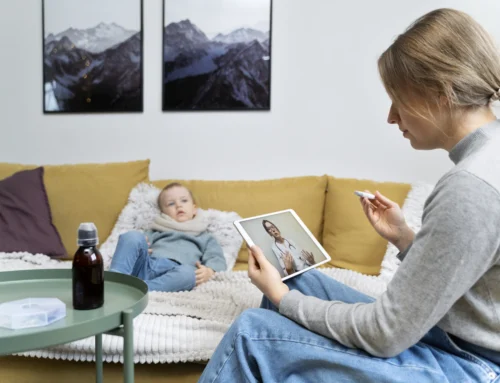
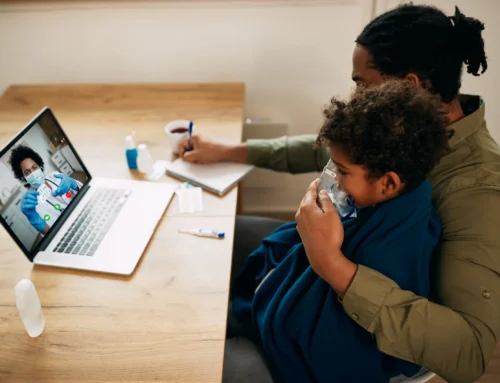
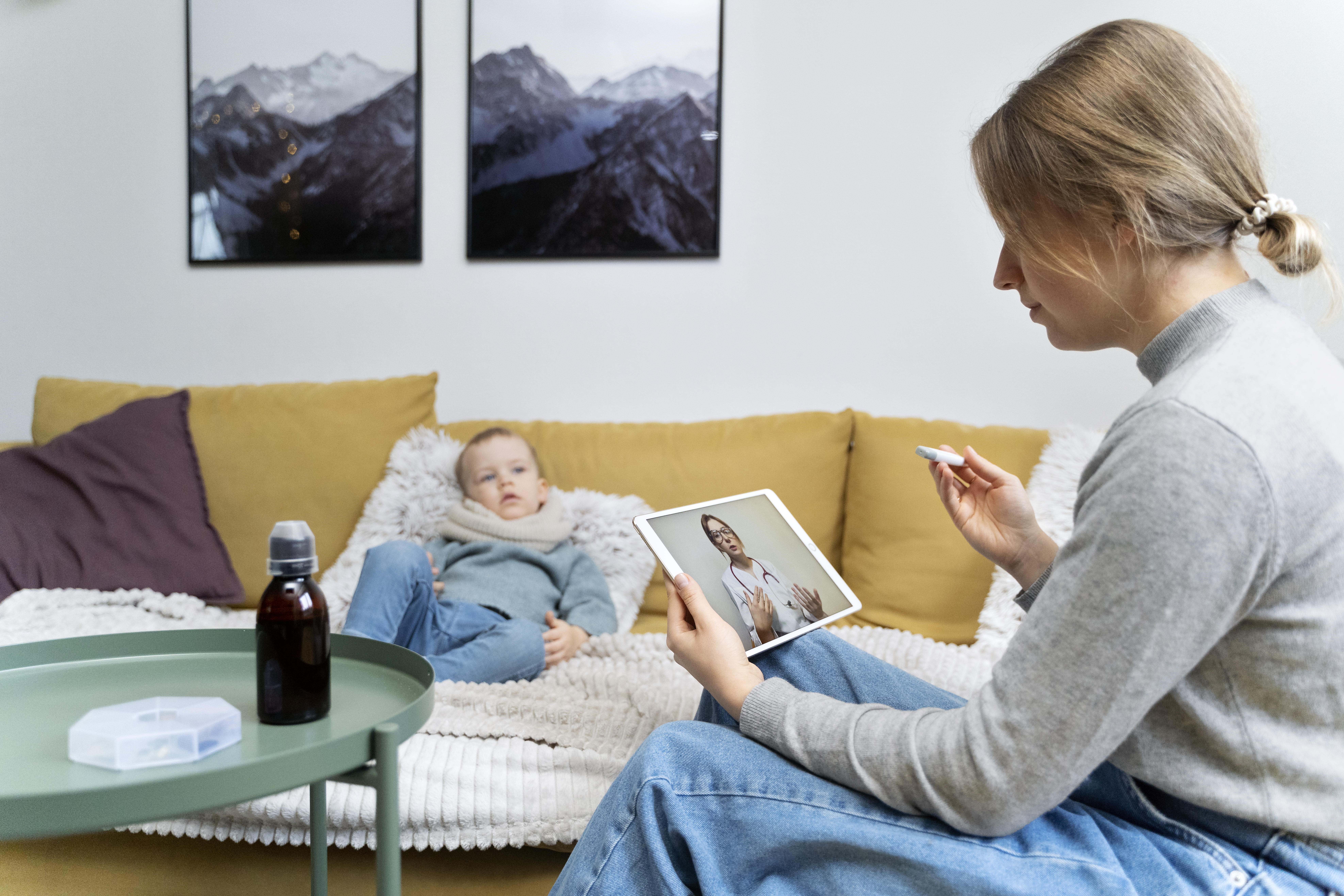
Burns are one of those injuries where parents often genuinely cannot tell how serious things are just by looking. That uncertainty is worth addressing rather than guessing through. Our doctors are available online any time to help you assess what you are seeing, walk through wound care, and let you know whether your child needs emergency care or can be managed safely at home.
This blog is for informational purposes only and is not a substitute for professional medical advice, diagnosis, or treatment. Always consult your child’s doctor or a qualified healthcare provider with any questions you may have regarding a medical condition.