Your child comes running to you with blood dripping from their nose and a look of pure panic on their face. You are trying to stay calm while also figuring out what to grab first. Nosebleeds in kids are one of those moments that feel more alarming than they usually are, and most parents deal with them more than once during the childhood years.
This is a parent resource to help you understand why nosebleeds happen, how to stop the bleeding quickly and safely, and when a nosebleed is telling you something worth following up on.

Why Nosebleeds Are So Common in Children
Nosebleeds in children are quite common, and the anatomy of a child’s nose is a big part of why. The inside of the nose is lined with tiny blood vessels that sit very close to the surface, particularly in the front part of the nose near the nostrils.
In children, these vessels are especially delicate and prone to breaking with very little provocation. Dry air, minor irritation, or even just vigorous nose blowing can be enough to cause a nosebleed.
The most common causes of nosebleeds in kids are also some of the most ordinary. Nose picking is the leading cause among children, followed by dry air, allergies that cause nasal irritation, and minor nose injury from bumping or rubbing.
Homes and buildings can cause drying of the tissues inside the nose during winter months when heating systems run constantly, and children who sleep in rooms with dry air are especially prone to crusting inside the nose that bleeds when disturbed. Most nosebleeds occur in the front of the nose and are straightforward to manage at home.
How to Stop a Nosebleed in a Child
When a nosebleed starts, the steps are simple but the order matters. Stay calm so your child stays calm, and move quickly.
- Sit your child upright and lean forward slightly so blood does not run down the throat
- Pinch the nostrils firmly together, focusing on the soft part of the nose just below the bridge
- Hold steady pressure for a full 10 minutes without peeking to check if the bleeding has stopped
- Have your child breathe through their mouth while you hold the pressure
- Keep them still and away from anything that might cause them to startle or move around
Do not tilt your child’s head back during a nosebleed. Blood that runs down the throat can cause nausea or vomiting and makes it harder to assess whether the bleeding is actually stopping. If bleeding does not stop after 10 to 15 minutes of consistent pressure, that is when to seek further help rather than continuing to wait at home.
When a Nosebleed Needs More Than Home Care
Most nosebleeds stop with the steps above and do not need any additional treatment. But some situations call for a physician rather than home management alone. If bleeding does not stop after 15 to 20 minutes of pressure, if the nosebleed follows a significant nose injury or a blow to the head, or if your child is swallowing a large amount of blood, those are reasons to seek care promptly.
Frequent nosebleeds are worth mentioning to your child’s doctor even when each individual episode is mild. A child who has repeated nosebleeds several times a week, or whose nosebleeds seem harder to stop than they should be, may need an evaluation of their nasal blood vessels or a review of their health history to rule out an underlying cause.
In some cases, a nose and throat specialist may recommend a minor procedure to seal the blood vessel that keeps causing the bleeding. Nosebleeds that come from the back of the nose are less common in children but tend to be heavier and harder to stop, so they should always be seen by a doctor right away.
What to Watch for With Frequent Nosebleeds
For a child who has a single nosebleed now and then, watchful monitoring is all that is needed. But frequent nosebleeds in kids can sometimes point to something worth investigating. Watch for nosebleeds that are getting longer to stop over time, bleeding that seems heavier than usual, bruising elsewhere on the body without obvious cause, or a child who seems pale or unusually tired. These patterns together can suggest a bleeding disorder or other underlying issue that is better caught early.
It is also worth noticing how your child is handling repeated episodes emotionally. Some children become anxious or embarrassed about nosebleeds, particularly if they happen at school or in front of friends. Reassuring your child that nosebleeds are common in children and nothing to be ashamed of, and giving them simple steps they can follow on their own, helps build confidence rather than fear around something that is likely to happen again.
Helping Prevent Nosebleeds From Happening So Often
The most effective way to reduce how often a child has a nosebleed is to address the factors that are drying out or irritating the inside of the nose. Running a cool mist humidifier in your child’s room at night adds moisture to the air and reduces the crusting and dryness that leads to bleeding. During dry winter months or in a dry climate, this single step makes a noticeable difference for many children.
Helping your child understand not to pick their nose is easier said than done, but gently redirecting the habit over time does help. Keeping the inside of your child’s nose moisturized with a small amount of saline spray or gentle petroleum jelly applied just inside the nostril can reduce both the urge to pick and the dryness that makes the blood vessels fragile. Teaching a child not to blow their nose too hard is also worth the effort, as forceful nose blowing is a common trigger that children can learn to manage with a little coaching.
Support at Home Matters, but So Does Guidance
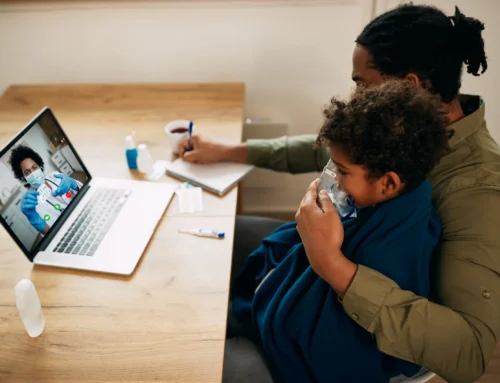
Most nosebleeds are nothing more than an inconvenient few minutes with a tissue. But when they keep happening, or when one will not stop, it is worth talking to someone who can actually assess what is going on. Our board certified physicians are available online any time to help you figure out whether frequent nosebleeds need further investigation, whether home management is the right approach, and what steps will help your child have fewer episodes going forward.
This blog is for informational purposes only and is not a substitute for professional medical advice, diagnosis, or treatment. Always consult your child’s doctor or a qualified healthcare provider with any questions you may have regarding a medical condition.