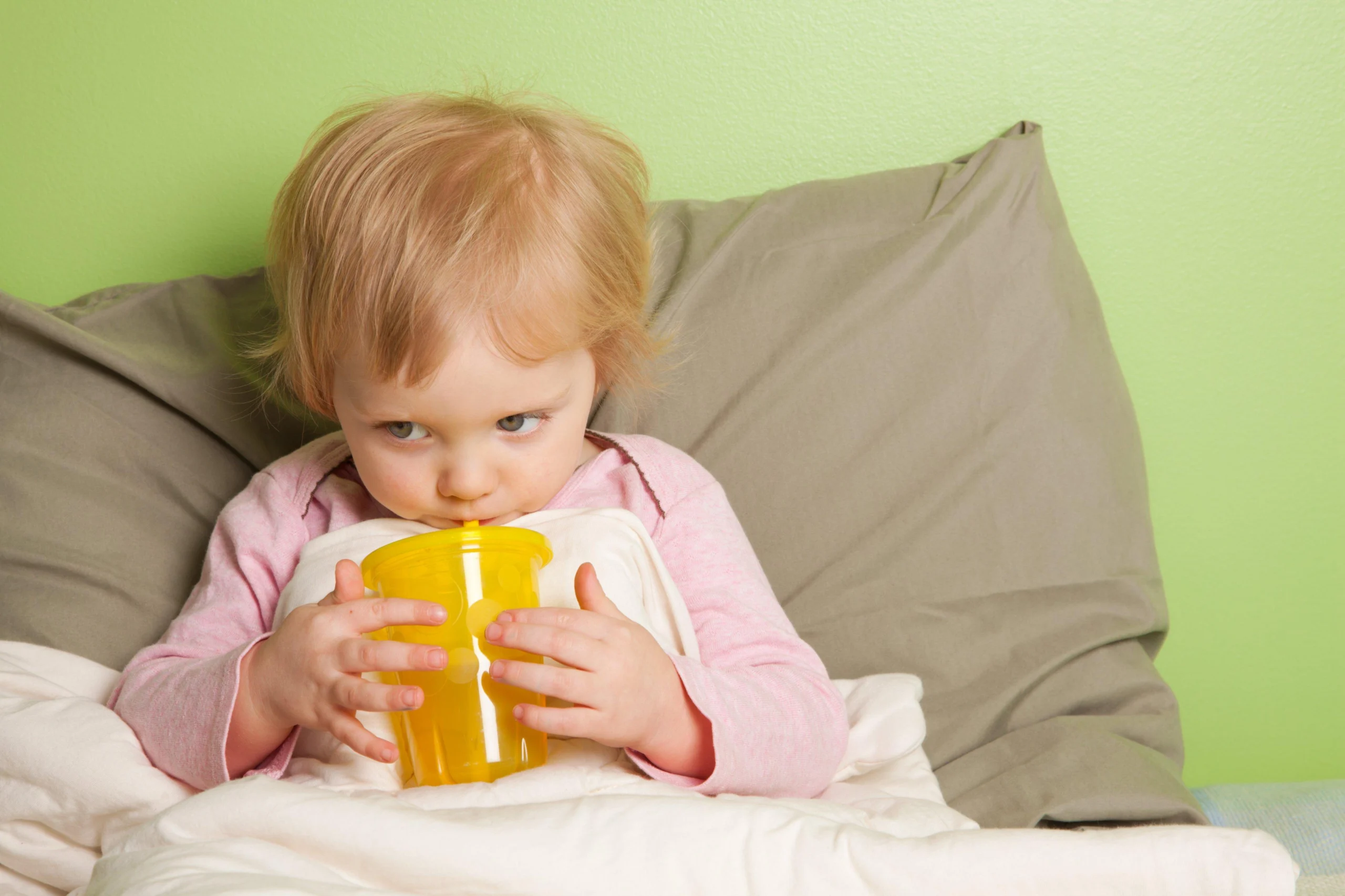
“My head hurts.”
Those three words can mean a dozen different things when they come from a child. But dehydration is the most common culprit, and it is also the easiest one to rule out first.
Here is the thing most parents do not realize: kids are notoriously bad at staying hydrated, especially when they are active, outside, or just being kids. By the time they feel thirsty, they are already behind on fluids. And that dull, achy headache is often the first sign their body sends.
The 20-Minute Test
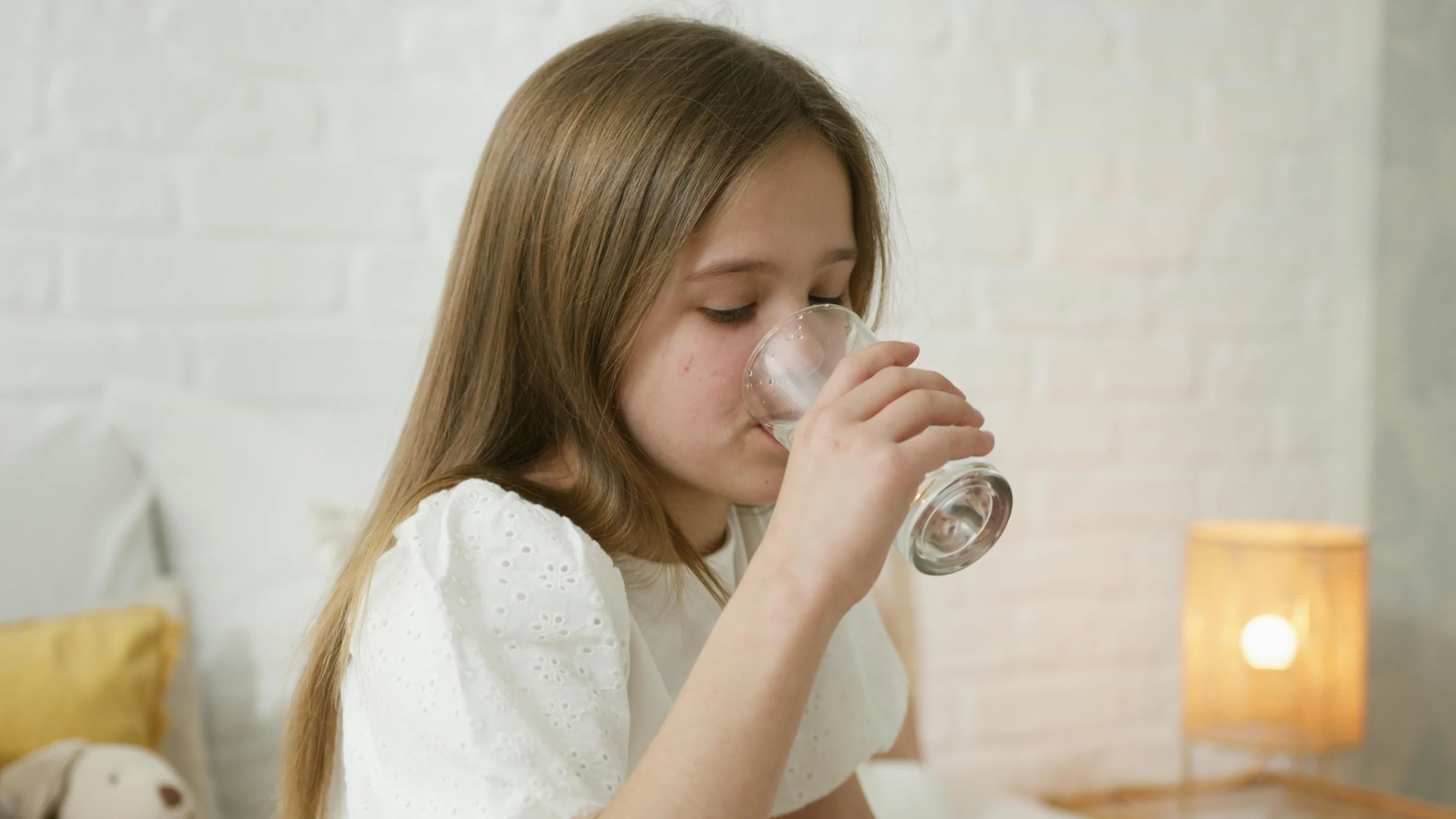
Before you start worrying, try this simple approach: give your child water, let them rest, and wait about 20 minutes. If the headache clears up, you have your answer. Dehydration was the issue, and you just fixed it.
If it does not clear up, that is when it is worth paying closer attention and looking at the bigger picture. But starting with the simplest explanation first saves a lot of unnecessary worry.
Why Kids Dehydrate Faster Than Adults
Children lose fluid faster than many parents expect. Their bodies are smaller, they have less reserve, and they are often too busy playing to stop and drink. A day at the park, a long car ride, a morning of running around, or a mild illness with a low fever can all tip the balance.
Dehydration does not always happen because of vomiting or diarrhea, though those are common causes. Sometimes it happens simply because a child is not drinking enough throughout the day. Hot weather, physical activity, and even excitement can speed up fluid loss. And young children dehydrate faster than older children and adults, which is why staying ahead of it matters.
You May Notice
The signs of dehydration are not always dramatic at first. They can build slowly over hours, and some are easier to miss than others. Parents may notice dry lips or a dry mouth, darker urine or less frequent bathroom trips, fewer wet diapers than usual in babies, low energy or unusual tiredness, fussiness or irritability, thirst, or in more noticeable cases, sunken-looking eyes or a lack of tears when crying.
The tricky part is that these signs can overlap with other common childhood issues. A tired child might just be tired. A fussy toddler might just be having a day. That is why looking at the whole picture helps: is your child drinking enough, is their urine output normal, and do they seem like themselves overall?
Common Causes
The most common cause of dehydration in children is fluid loss from vomiting or diarrhea, especially during a stomach bug. But fever can also contribute because the body uses more fluid to fight infection. Hot weather, sweating, and long stretches without drinking are all factors too.
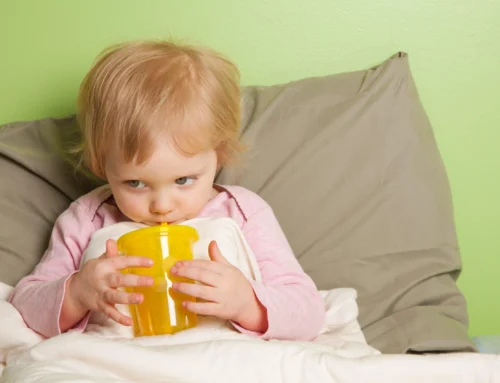
Sometimes the cause is simply poor intake. A child with a sore throat may not want to drink because it hurts to swallow. A toddler may refuse water because they would rather have juice, and nobody has refilled the cup. These small things can add up over the course of a day.
What Helps at Home
Small, frequent sips are often more effective than large drinks, especially if a child has been vomiting. An oral rehydration solution can help replace lost fluids and electrolytes. If your child does not want plain water, popsicles, diluted juice, or broth can help get some fluid in.
Encouraging regular drinking throughout the day, not just when a child asks for it, is one of the easiest ways to stay ahead of dehydration. Setting reminders, keeping a water bottle visible, and offering fluids with meals and snacks can all help build the habit.
When It Is Not Just Dehydration
If the 20-minute test did not help and the headache or other symptoms are still hanging around, it is time to look deeper. A persistent headache in a child could also be related to fatigue, eye strain, hunger, stress, or an illness that is still developing. If the headache is accompanied by fever, vomiting, stiff neck, confusion, or a change in vision, those signs deserve prompt attention.
Dehydration that is getting worse rather than better also warrants a call to your provider. If your child cannot keep fluids down, has very little urine output, seems very tired or hard to wake, or if their lips and mouth stay dry even after drinking, those are signs that things may need more than home support.
When to Reach Out
Parents do not need to wait until dehydration becomes severe before reaching out. If your child has had ongoing vomiting or diarrhea, is refusing to drink, has not urinated in many hours, or seems unusually tired, checking in with a pediatric provider is a reasonable next step.
When a child is not feeling well, having trusted guidance can help parents sort out what may be fixable with fluids and rest and what may need closer attention. The goal is not to diagnose everything at home. It is to know what to try first, what to watch for next, and when to ask for help.
This is for educational purposes only and not a diagnosis or treatment plan.