Constipation is a common issue in infants and children, and it can show up in different ways. Some kids go a day or two without a bowel movement and seem completely fine. Others begin to strain, complain of pain, avoid the bathroom, or pass a hard stool that is difficult to pass. That is often when parents start wondering what is normal, what may help, and when constipation in children needs more attention.
This is one reason childhood constipation can feel confusing. A child may not always say, “I feel constipated.” Instead, they may complain of tummy discomfort, seem more irritable, or resist going to the bathroom. A toddler may hide when they need to poop, while older children may hold stool because they are busy, embarrassed, or worried it will hurt.
You May Notice
- fewer bowel movements
- hard stool
- straining
- pain with pooping
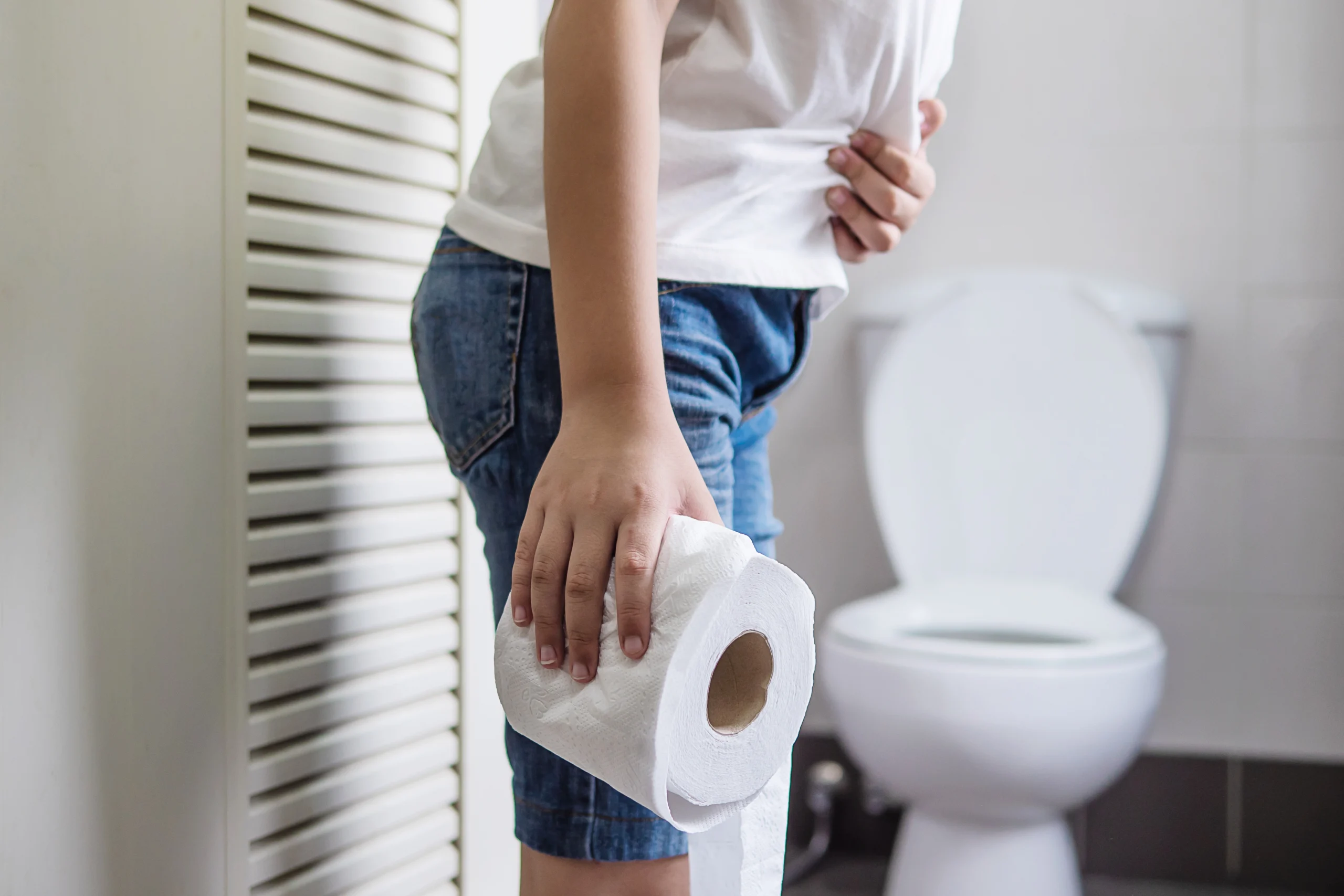
- tummy discomfort
- stool accidents
- toilet avoidance
- fussiness
When Symptoms Seem Mild
Many parents start with simple changes at home while keeping an eye on how their child is doing overall.
That may include:
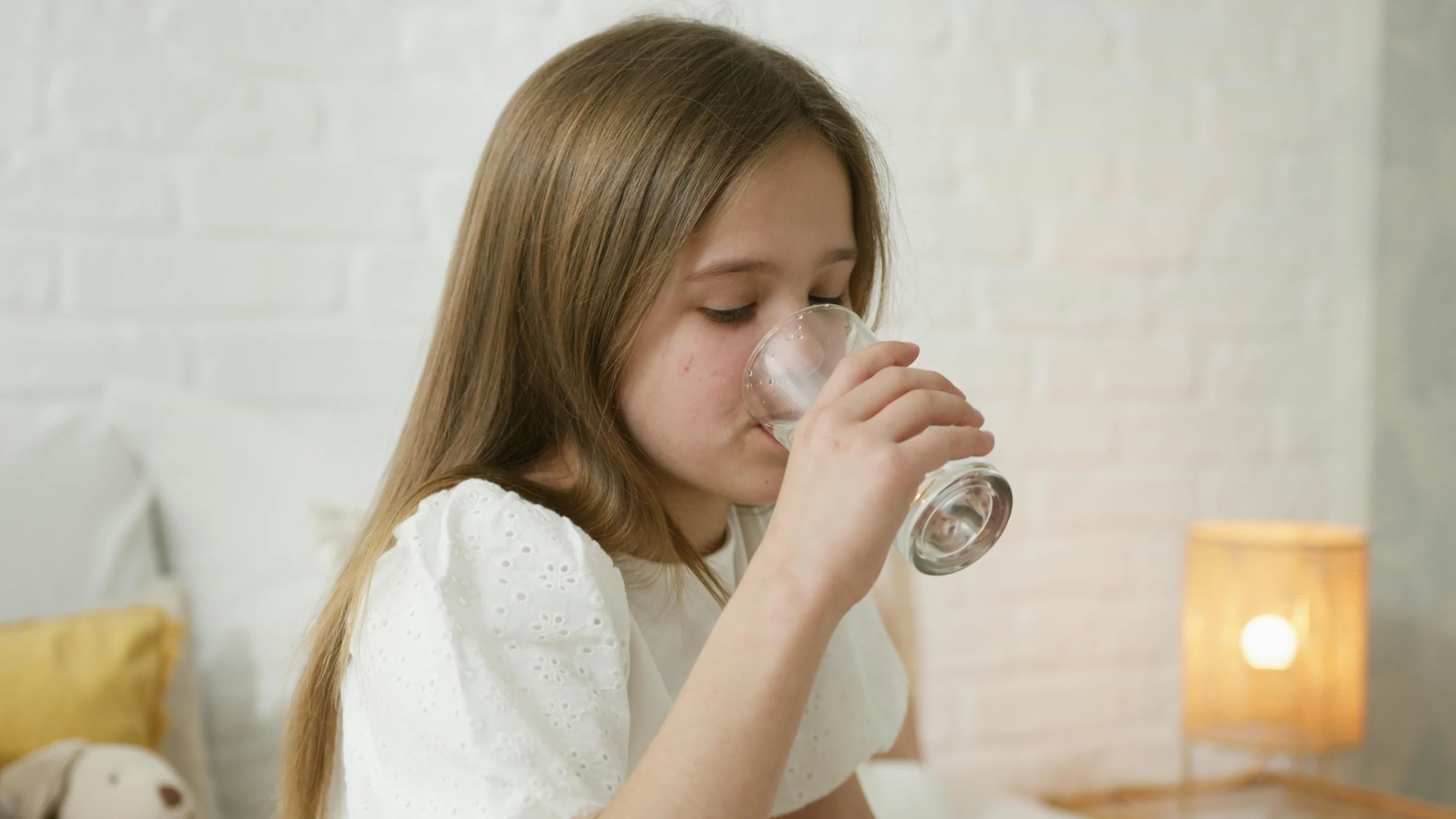
- more fluids
- more fiber
- regular toilet time
- prune or pear
- movement
- close watching
For many children, constipation improves when stool becomes softer and easier to pass. Foods high in fiber, along with enough fluids, can help support healthy digestive habits. Some families offer prune puree or prune juice in small amounts, especially for younger children. For older children, adding more servings of fruits and vegetables may help.
Why Constipation Happens
Constipation can happen for different reasons at different ages. A child may become constipated after travel, changes in routine, school stress, or toilet training. Sometimes it starts after one painful bowel movement, which makes the child hold stool to avoid discomfort, and that can make the next bowel movement even harder.
This pattern is common in functional constipation, where the problem is real but not caused by a serious disease. Diet can also play a role. Too little fiber, not enough fluid, waiting too long to go, or certain medicines can all make constipation more likely.
It Helps to Watch the Pattern
A child may skip a day without a bowel movement and still be fine. What matters more is the pattern. Is the stool hard? Is it painful? Is your child avoiding the bathroom? Are there accidents in the underwear because stool is backed up in the rectum?
These are often the signs and symptoms that matter most. Parents may search things like not pooping what to do or hard stool in a child which helps, but usually the bigger question is whether the pattern is getting in the way of comfort, eating, sleep, or normal daily life.
Some children with constipation have abdominal discomfort that comes and goes. Others seem full quickly or say their tummy hurts before meals. In more stubborn cases of constipation, stool can build up in the intestine and rectum and make the problem harder to fix without extra help.
It May Be Worth Reaching Out If
- stool stays hard
- pooping is painful
- your child avoids the toilet
- accidents are happening
- tummy pain keeps returning
- constipation persists
For many families, the question is not only how to relieve constipation in kids. It is whether constipation in your child still seems mild or whether it needs a closer look.
When Parents Want More Than Reassurance
The hardest part is not the constipation itself, but figuring out what to do next. Parents may wonder whether to keep trying home remedies, whether a laxative makes sense, or whether it is time to check in with a pediatric provider.
The right next step depends on how long the problem has been going on and how uncomfortable the child seems. Some children improve with diet and routine changes, while others may need more support. A pediatric provider may suggest stool softeners, Miralax, or another over-the-counter option to help make stool easier to pass. In some cases, a suppository or enema may also be discussed, especially if the constipation is more stubborn.
If the problem keeps going, gets worse, or is not improving, a pediatrician may want to take a closer look. Some children may also be referred to a specialist when constipation keeps coming back or becomes harder to manage.
Support at Home Matters, but So Does Guidance
Many cases of constipation improve with time, routine, and support. Helping children sit on the toilet regularly, drink enough, and eat foods high in fiber can help prevent constipation and improve constipation over time.
Still, parents should not feel like they have to figure out every case of constipation on their own. When a child is uncomfortable, avoiding the bathroom, or still struggling despite home efforts, trusted pediatric guidance can help relieve symptoms and make the next step feel clearer.
This is for educational purposes only and not a diagnosis or treatment plan.