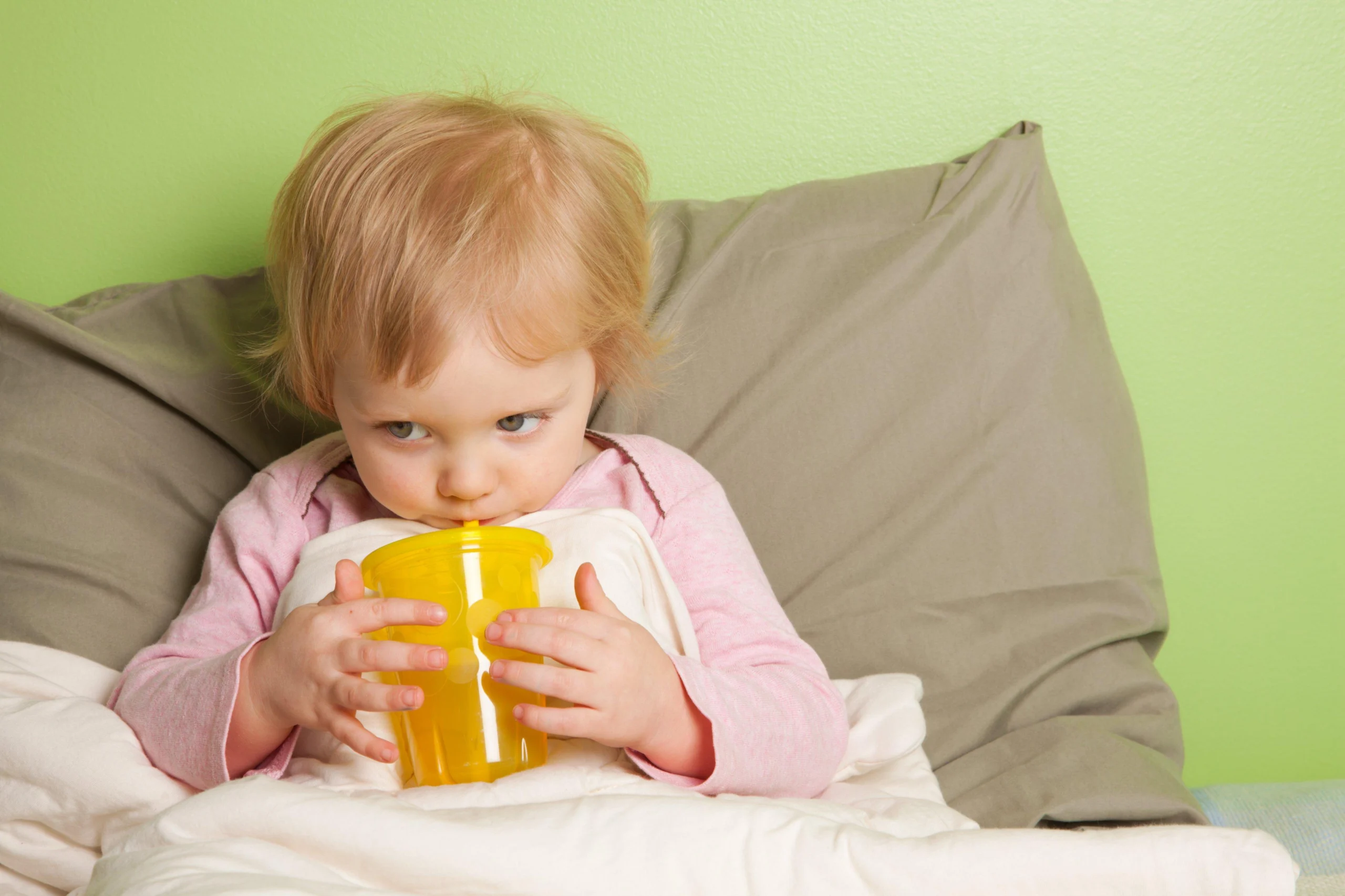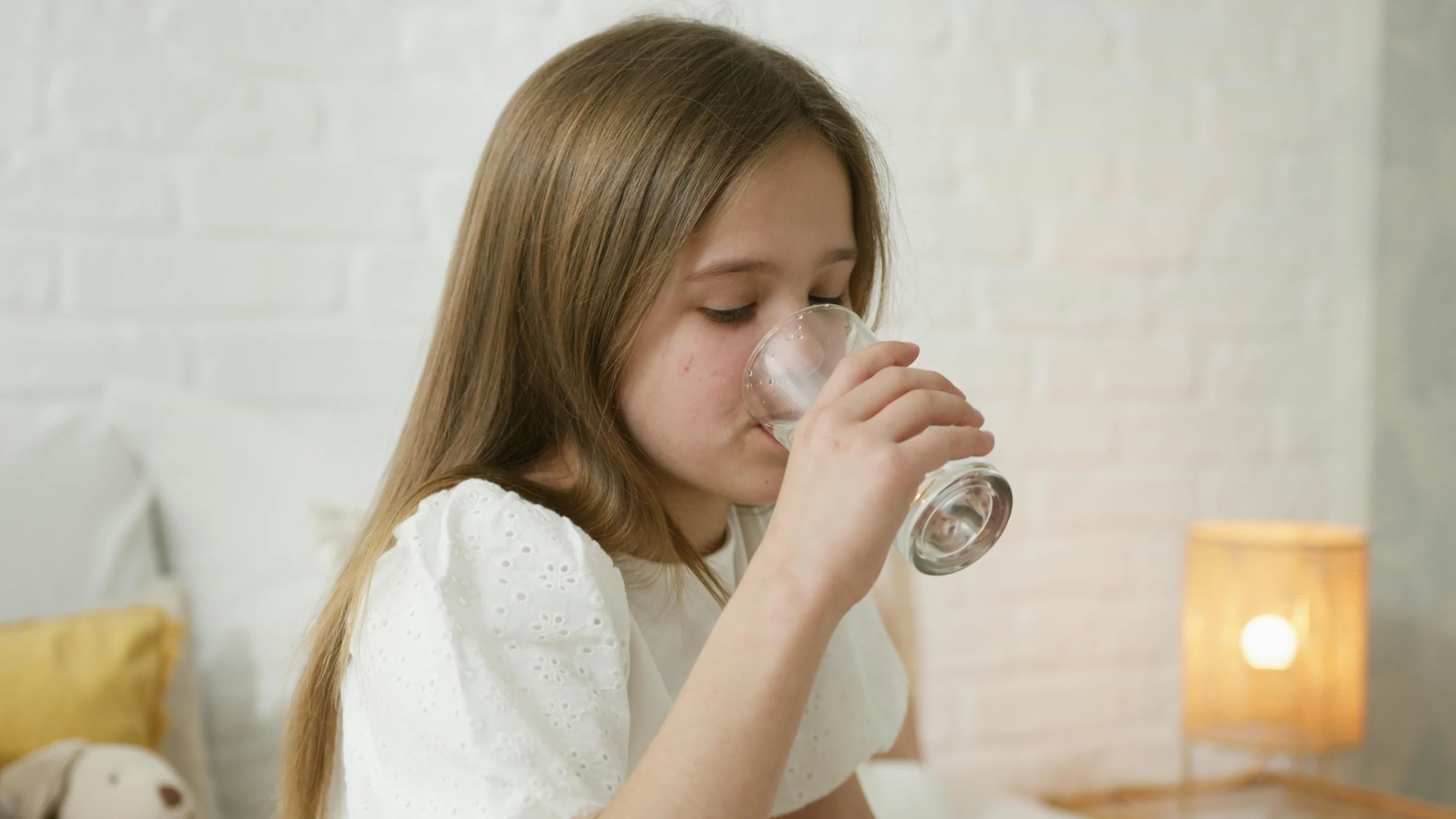
When a child is sick with vomiting or diarrhea, the stomach symptoms usually get the most attention at first. But after a while, many parents begin to worry about dehydration. That is often the bigger concern, especially when a child is not drinking well, cannot keep fluid down, or seems more tired than expected.
Dehydration in children can happen faster than many parents realize. A child may lose more fluid than they are taking in, especially with vomiting or diarrhea. That fluid loss can lead to dehydration, and young children can get dehydrated more quickly than older children and adults. This is why dehydration can become a serious concern in children.

You May Notice
- dry lips or mouth
- less energy
- fewer wet diapers
- darker urine
- fewer bathroom trips
- thirst
- fussiness
- sunken-looking eyes
The signs and symptoms of dehydration can look a little different depending on age, but many parents first notice that their child may not drink enough, seems more tired, or is urinating less than usual.
When Symptoms Seem Mild
Many parents begin managing dehydration at home while monitoring closely for changes. Mild dehydration can often improve when a child is able to drink fluids and keep them down.
That may include:
- small sips often
- extra fluid
- rest
- oral rehydration
If your child is vomiting, small sips are often easier than large drinks. An oral rehydration solution can help replace lost fluids and electrolytes. Even if your child does not want much, offer a little at a time.
Why Children Can Dehydrate Quickly
Anyone can become dehydrated, but infants and children often lose fluid faster than adults. An infant or young child has less reserve, so dehydration happens more easily when they are sick. A common cause of dehydration is vomiting or diarrhea, but fever, hot weather, and sweat can also lead to dehydration.
Sometimes a child is sick with a stomach bug and simply cannot drink enough. Other times, the cause of dehydration is a mix of fluid loss and poor intake. Either way, the body begins to lose more than it is getting back. That is why diarrhea and vomiting can make your child dehydrate quickly.
It Helps to Watch for More Than Thirst
Thirst can be a clue, but it is not always the first sign. A child may start losing too much fluid before they ask for a drink, which is why changes in urine output, energy, and behavior often matter more.
A mildly dehydrated child may still seem alert and willing to drink. As it worsens, parents may notice a dry mouth, less urine, or increasing tiredness. It becomes more concerning when a child cannot keep fluids down or seems harder to wake, weaker, or less interested in drinking.
In babies, fewer wet diapers than usual can be a warning sign. In older children, going many hours with very little urine can also mean it is time to pay closer attention.
It May Be Worth Reaching Out If
- vomiting keeps happening
- diarrhea keeps going
- your child will not drink fluid
- urine is much less than usual
- your child seems very tired
- dry mouth is getting worse
- symptoms are not easing
For many families, the question becomes, what should I do if my child is vomiting and has diarrhea? Another common concern is when vomiting and diarrhea in children may be a reason to worry. If your child is sick and you are concerned about dehydration, it is reasonable to seek medical help sooner rather than later.
When Parents Want More Than Reassurance
Often, the hardest part is not the vomiting or diarrhea alone, but figuring out whether your child is still managing well at home or beginning to lose too much fluid. Parents may notice changes but feel unsure how serious they are or whether things are starting to head in the wrong direction.
A pediatric provider can help look at the full picture, including how much your child is drinking, how often they are urinating, their energy level, and how long the illness has been going on. If your child is throwing up often, cannot keep fluids down, or seems to be showing signs of dehydration, it is a good time to reach out. In more serious situations, medical care may be needed to replace fluids safely.
Support at Home Matters, but So Does Guidance
Dehydration is not always dramatic at first. It can build slowly over several hours as a child loses more fluid through vomiting, diarrhea, or sweat. Early attention can help prevent dehydration from becoming more serious.
When a child is sick, parents often want more than reassurance. They want to know whether they can keep your child hydrated at home or whether it is time to get medical help. Trusted pediatric guidance can make that decision feel clearer and less overwhelming.
This is for educational purposes only and not a diagnosis or treatment plan.