Your toddler was fine at breakfast and by lunchtime they are vomiting nonstop. A few hours later the diarrhea starts, watery and relentless, unlike anything you have seen with a regular stomach bug. You are already wondering whether this is rotavirus vs a stomach bug in kids and how worried you should actually be.
You are right to pay attention. Rotavirus is a contagious virus that moves fast in babies and young children, and the biggest risk is not the virus itself but the dehydration that follows.
This is a parent resource covering what to watch for, what you can do at home, and how to tell when your child needs more support.
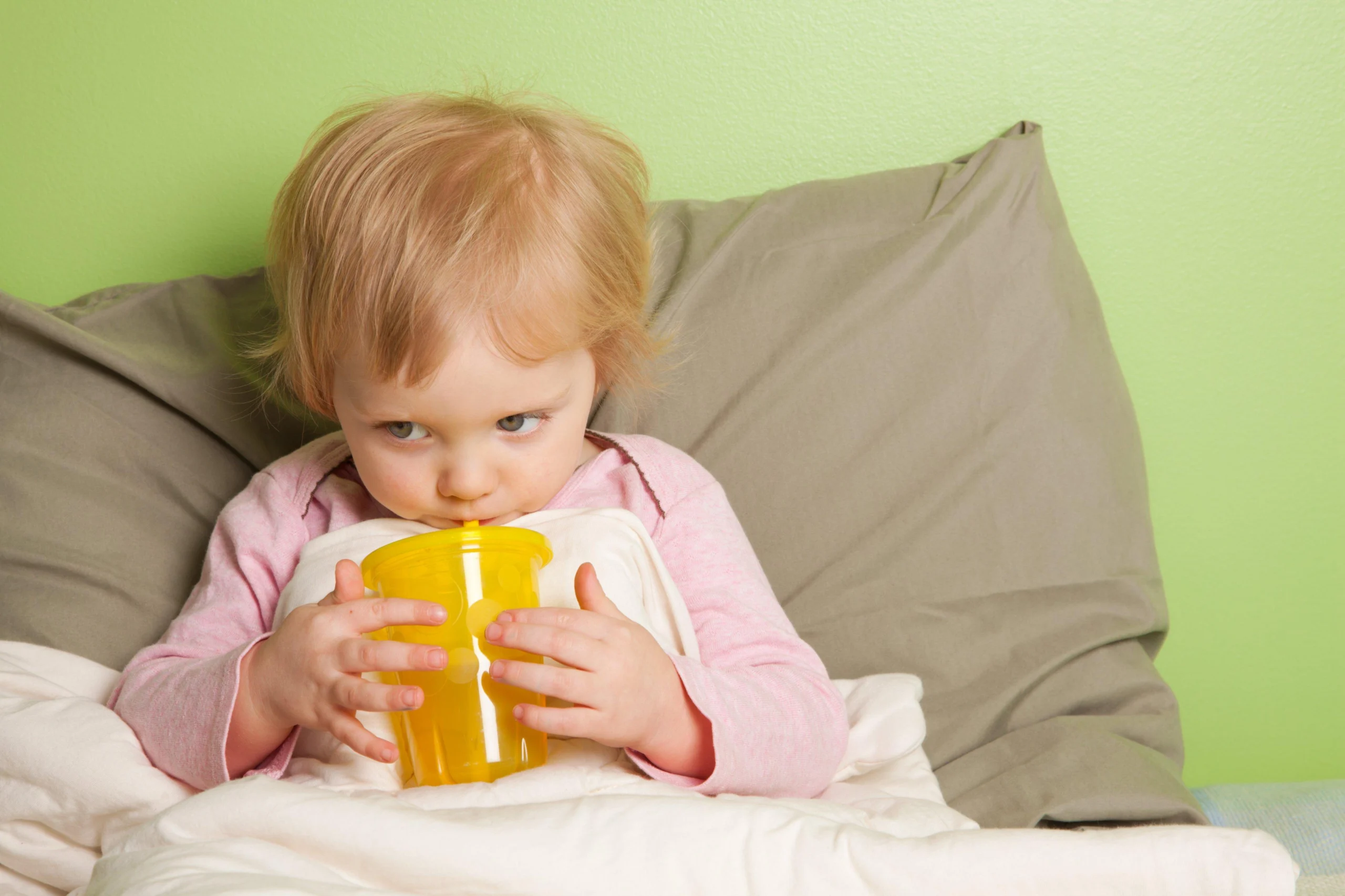
Why Rotavirus Is More Serious in Young Children
Rotavirus is one of the leading causes of severe diarrhea in children under 5 years old. Infants and young children are especially vulnerable because their small bodies lose fluid so quickly. A bout of vomiting and diarrhea that an older child or adult could push through can become dangerous for a baby within hours. Older children and adults who get infected usually do not get nearly as sick and may have mild symptoms or none at all, but they can still spread the virus to family members without realizing it.
What surprises many parents is how long rotavirus lasts in children. Unlike a brief stomach bug that clears in a day, watery diarrhea can last from 3 to 8 days, and children who are infected with rotavirus shed the virus in their stool for days even after they start feeling better. That extended window makes it especially dangerous for infants and young children sharing a home or daycare setting with someone who is sick.
You May Notice
When rotavirus sets in, symptoms tend to come in waves. Sudden vomiting is usually first, often with a low fever that resolves within a day or so. Then the diarrhea begins, watery and frequent, and that is where the real challenge starts. Signs and symptoms to watch for alongside the diarrhea include fewer wet diapers than usual, a dry mouth, no tears when crying, sunken eyes, and unusual drowsiness. These are signs of dehydration and mean your child needs attention sooner rather than later.
Beyond the physical signs, pay attention to your child’s behavior. A child who is normally active but suddenly becomes limp, difficult to wake, or inconsolable may be more dehydrated than they appear. Symptoms of dehydration in an infant can be subtle, so trust your instincts if something feels off even when you cannot quite put your finger on why.
What To Do Right Away
If your child is showing signs of rotavirus like sudden vomiting followed by frequent watery diarrhea, here is what to do first:
- Offer small, frequent sips of an oral rehydration solution to replace lost fluid and electrolytes rather than large amounts at once
- Track wet diapers or bathroom trips since fewer than usual is an early sign of dehydration
- Avoid sugary drinks like juice or soda which can make diarrhea worse
- Let your child rest and keep them comfortable since a low-grade fever is common and usually resolves within a day
- Wash hands thoroughly after every diaper change or cleanup since the virus may live on surfaces for an extended period
Most cases of rotavirus infection can be treated at home with careful attention to hydration. The goal is to keep fluid going in faster than it is going out, even if your child is only taking tiny sips at a time.
When a Doctor Needs to Be Involved
The treatment for rotavirus is primarily supportive since there is no antibiotic or antiviral that clears the infection. But when dehydration becomes severe, a child may require hospitalization for intravenous fluids. A board certified physician can help determine whether your child needs to be seen based on their age, how much fluid they are keeping down, and how long symptoms have been going on.
Rotavirus can also in rare cases trigger a condition called intussusception, a type of bowel obstruction where part of the intestine folds into itself. Signs include sudden intense crying with legs pulled up, bloody or jelly-like stool, and forceful vomiting. Intussusception is uncommon but requires immediate medical attention if suspected.
What to Watch for as the Days Go On
In the days after symptoms start, keep a close eye on how your child is doing overall. A child who is getting better will gradually have fewer diarrhea episodes, seem more alert, and start showing interest in fluids again. More wet diapers are a good sign that hydration is improving.
A child who seems to be getting better but then develops a high fever again, produces very little urine, or becomes harder to wake needs to be seen by a doctor right away. Do not hesitate to reach out if things are not improving the way you expected, even if you feel like you are doing everything right at home.
Protecting Your Family From Rotavirus
The most effective way to help prevent rotavirus is vaccination. The rotavirus vaccine is given by mouth rather than as a shot, with the first dose starting as early as 6 weeks of age. Depending on which vaccine your child’s doctor uses, it is given in either two or three doses during the first several months of life. Getting your child vaccinated on schedule is important since vaccinated children are significantly less likely to develop severe rotavirus disease.
At home, regular handwashing helps but will not catch everything since the virus is tough to kill on surfaces. During an outbreak or when a sibling is sick, disinfecting changing areas and shared toys frequently makes a real difference. Teaching older children to wash hands after using the bathroom and before eating helps slow the spread of the disease even when you cannot control every surface your child touches.
Support At Home Matters, But So Does Guidance
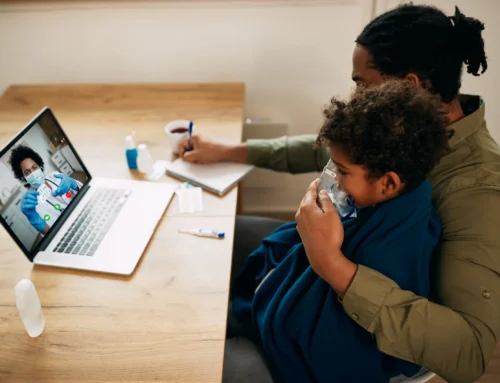
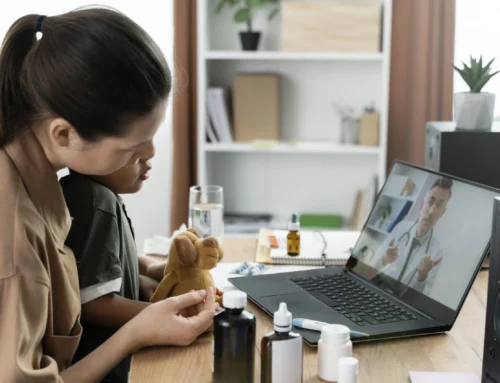
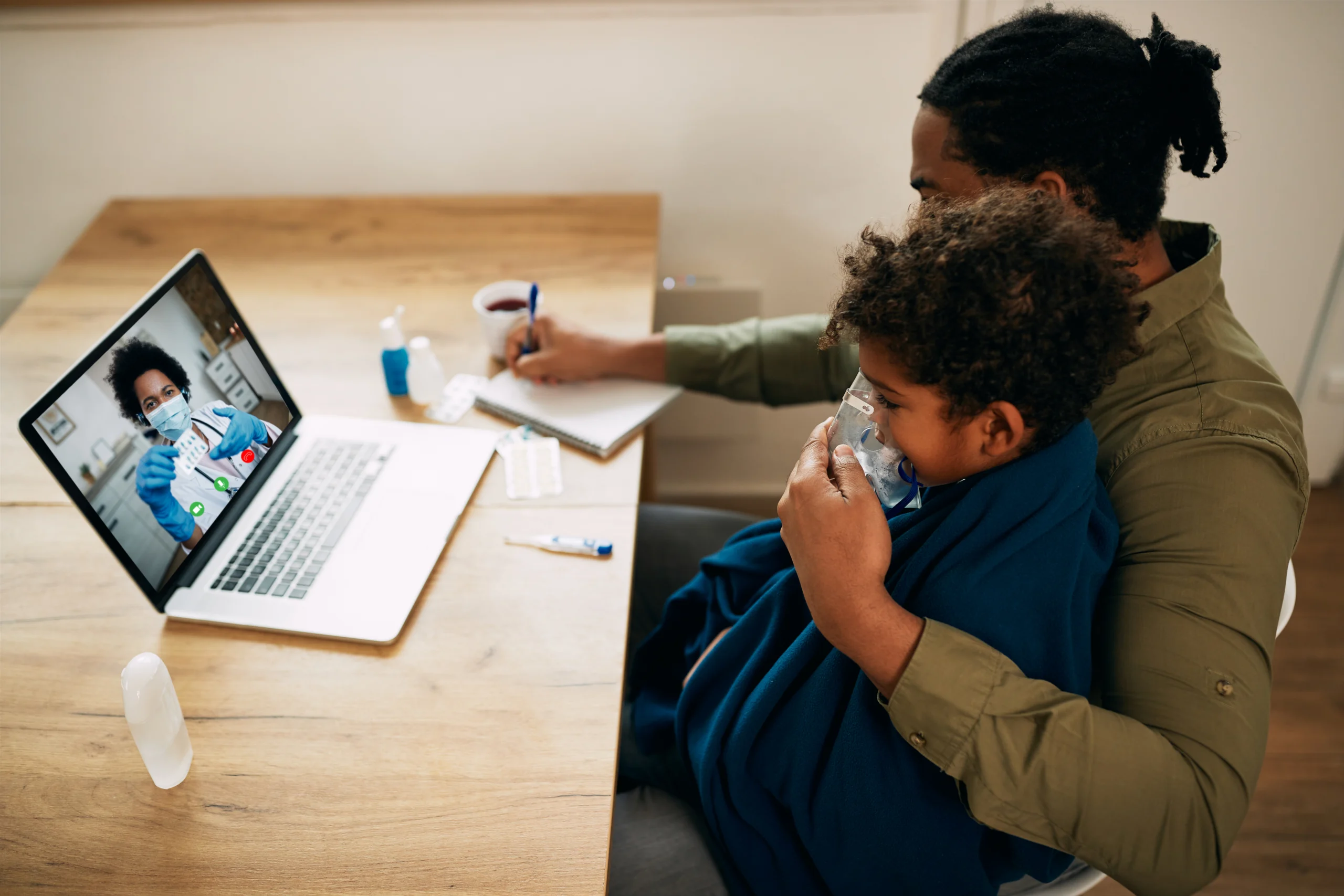
When your child has been vomiting all day and the diarrhea will not let up, it is hard to know whether you are handling it well enough or whether something more serious is happening. That uncertainty is completely normal and you do not have to sit with it alone. Our board certified physicians are available online any time to help you assess what is going on, determine whether home care is enough, and guide you clearly on next steps.
This blog is for informational purposes only and is not a substitute for professional medical advice, diagnosis, or treatment. Always consult your child’s doctor or a qualified healthcare provider with any questions you may have regarding a medical condition.