Your child has been complaining about a sore throat for a couple of days now and it does not seem to be getting better. Maybe they are refusing to eat, running a fever, or their voice sounds a little off. If you are wondering whether this is more than just a regular cold, tonsillitis might be worth considering. Knowing what to look for can help you figure out the right next step.
This is a parent resource to help you understand what tonsillitis in children looks like, how it is managed at home and with medical support, and when it might be time to have a bigger conversation about your child’s tonsils.

Why Tonsillitis Is So Common in Kids
The tonsils are lumps of tissue at the back of the throat that act as part of the immune system. They help trap bacteria and viruses before they travel deeper into the body. In children, this tissue is especially active because their immune systems are still developing. That activity is useful, but it also makes the tonsils prone to becoming swollen and inflamed when they encounter an infection. Tonsillitis is most common in children ages 5 to 15, though younger children and teens can get it too.
Tonsillitis is an infection of the tonsils caused by either a virus or bacteria. Viral tonsillitis is actually the more common cause, and many of the same viruses responsible for a typical cold can trigger inflammation of the tonsils. Bacterial tonsillitis, most often caused by group A streptococcus, tends to be more intense and is the type that requires antibiotic treatment.
Signs and Symptoms of Tonsillitis to Watch For
Tonsillitis typically starts with a sore throat that comes on fairly suddenly and feels more significant than a regular scratchy throat. The tonsils at the back of the throat become red and swollen, sometimes visibly enlarged, occasionally with white or yellow patches on the surface. Swollen lymph nodes along the sides of the neck are also common, and many children develop a fever within the first day or two.
The signs and symptoms of tonsillitis can also include difficulty swallowing, bad breath, a muffled or changed voice, and ear pain. In younger children who cannot describe what hurts, parents may notice drooling more than usual, refusing food, or general crankiness that seems out of proportion to what is visible. Sore throat symptoms in tonsillitis tend to be more persistent than a typical cold. If a sore throat is not improving after three to four days, that is a signal worth paying attention to.
What to Do When You Suspect Tonsillitis
If your child has a significant sore throat and swollen tonsils, getting them evaluated is the most useful first step. Your doctor will examine the throat, feel along the neck to check for enlarged lymph nodes, and conduct a physical assessment to get a clearer picture. If strep bacteria is suspected, a rapid strep test or throat swab can confirm whether the infection is bacterial.
Keep your child comfortable with rest and plenty of fluids, since swallowing hurts and staying hydrated matters. Offer soft, cool foods like yogurt, smoothies, or broth to make eating more manageable. Over-the-counter pain relievers like Ibuprofen or Acetaminophen can help bring down fever and ease throat pain, but avoid aspirin in children due to the risk of Reye syndrome.
Use a humidifier in their room to keep the air moist and reduce throat irritation overnight. Keep them home from school until fever has been gone for at least 24 to 48 hours and they are feeling well enough to participate.
If your doctor determines the tonsillitis is caused by bacteria, particularly group A strep, prescribed antibiotics will be the recommended course. Antibiotic treatment needs to be completed in full, even when your child starts feeling better before it is finished.
When Medical Treatment Is Needed
Bacterial tonsillitis must be treated with antibiotics. It will not resolve on its own and leaving it untreated carries real risks. Strep throat left without antibiotic therapy can lead to rheumatic fever, a serious inflammatory condition affecting the heart and joints. A doctor will prescribe the appropriate antibiotic based on your child’s history and the type of infection confirmed by testing.
Viral tonsillitis, on the other hand, does not respond to antibiotics and is managed with supportive care like rest, fluids, and comfort measures while the virus runs its course. In some cases, tonsillitis caused by a virus can lead to secondary complications like ear infections or, rarely, the development of an abscess near the tonsils. An abscess is a pocket of infection beside the tonsil that causes significant one-sided throat pain and swelling and requires prompt medical attention.
What to Watch for After Treatment Starts
Most children with bacterial tonsillitis begin to feel better within a few days of starting antibiotics. Watch for signs that things are not improving, like fever that returns, pain that is getting worse instead of better, difficulty opening the mouth fully, or swelling that appears to be spreading. Redness and swelling that seem to be moving beyond the tonsil area are worth flagging to your child’s doctor sooner rather than later.
It is also worth paying attention to your child’s sleep during and after a bout of tonsillitis. Enlarged tonsils and adenoids can contribute to snoring or disrupted breathing at night, and if your child seems unusually tired even after recovering, obstructive sleep apnea related to chronic tonsil swelling may be worth discussing with their doctor.
When Tonsil Removal Becomes a Conversation
When does a child need tonsils removed? This is one of the most common questions parents ask after recurring tonsillitis in kids. A tonsillectomy, which is surgery to remove the tonsils, is typically considered when a child has frequent, significant episodes of tonsillitis that are disrupting their quality of life, missing school regularly, or not responding well to antibiotic treatment. Children with recurrent tonsillitis, generally defined as several confirmed infections within a year, may be referred to a specialist to discuss whether a tonsillectomy and adenoidectomy is the right step.
Chronic tonsillitis or significantly enlarged tonsils that are affecting breathing or sleep are also reasons a doctor might recommend a tonsillectomy. This is not a decision made lightly, and guidelines generally weigh the frequency and severity of infections alongside the child’s overall health before moving toward surgery.
Helping Prevent Tonsillitis From Spreading
Tonsillitis spreads the same way most respiratory infections do, through droplets from coughing and sneezing and through contact with contaminated surfaces. Handwashing remains one of the most straightforward ways to prevent tonsillitis from moving through a household. Teaching children to cover their mouth when they cough or sneeze, avoid sharing drinks and utensils, and wash their hands regularly helps reduce the risk of passing the infection along to siblings or other family members.
For families dealing with strep and other bacteria repeatedly cycling through the house, it may be worth asking your pediatrician whether anyone in the household is an asymptomatic carrier, someone who carries strep bacteria in their nose and throat without becoming sick but who can continue to infect others.
Support at Home Matters, but So Does Guidance
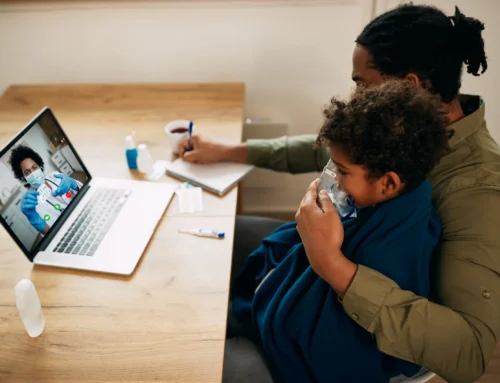
A sore throat that lingers, tonsils that keep swelling, or a child who seems to be getting sick more often than they should. These are all things worth talking through with someone who knows what to look for. Our doctors are available online any time to help you assess what is going on, confirm whether treatment is needed, and guide you on next steps without anyone having to leave home.
This blog is for informational purposes only and is not a substitute for professional medical advice, diagnosis, or treatment. Always consult your child’s doctor or a qualified healthcare provider with any questions you may have regarding a medical condition.