
Eczema in Children: Causes, Symptoms, and How to Manage Flare-Ups
Dealing with your child's persistent dry, itchy skin? Learn what causes eczema in children, how to manage symptoms at home, and when to talk to a doctor.
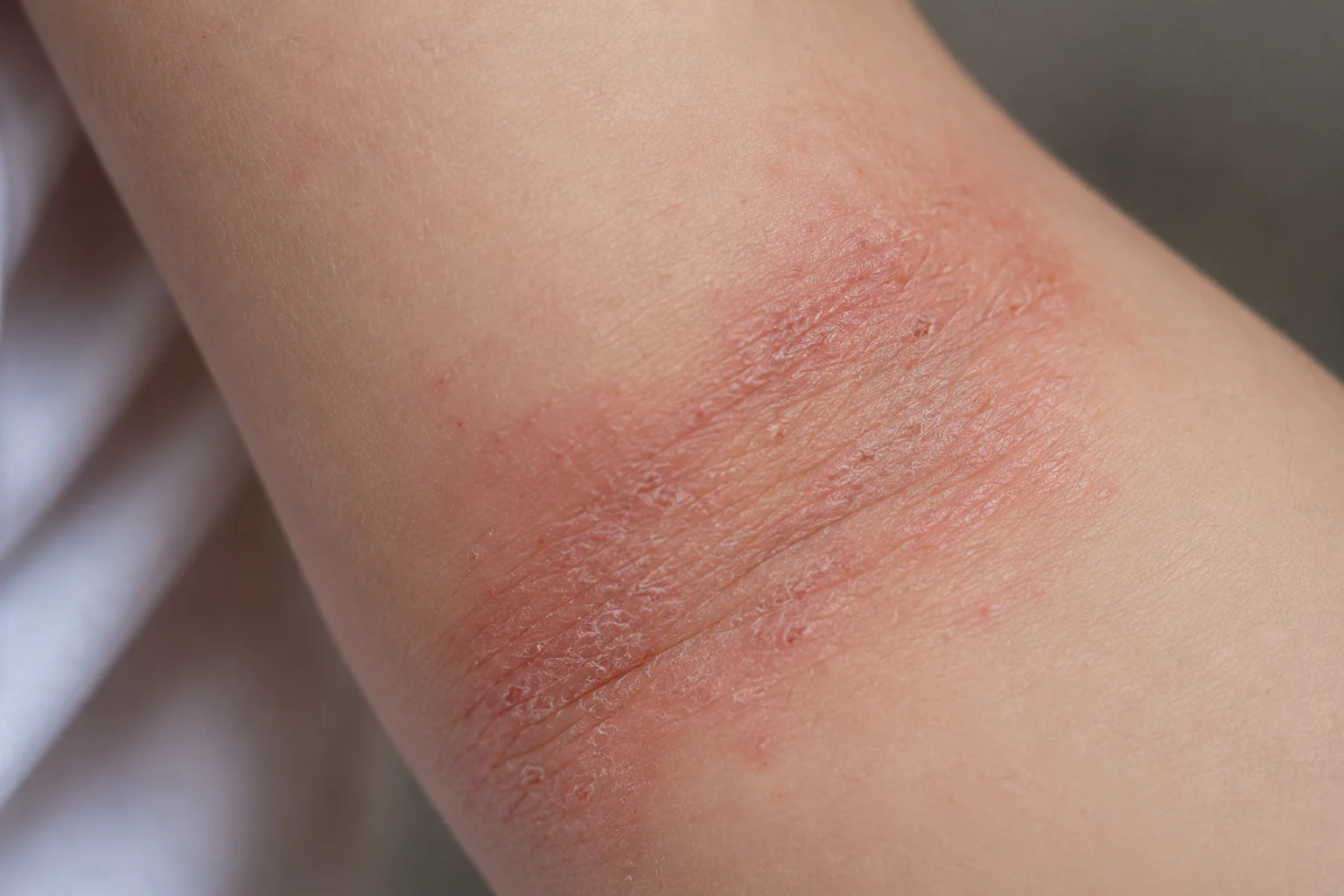
What Is Eczema and What Causes It?
Eczema, also known as atopic dermatitis, is a chronic skin condition that causes the skin barrier to become dry, inflamed, and itchy. It's not fully understood what causes eczema, but research points to a combination of genetics and environmental triggers. The condition often passes from parents to children, meaning a family history of eczema, allergies, or asthma can increase the likelihood that a child develops it too. Eczema is part of a group of conditions called atopic diseases, which also include hay fever and asthma. Many children with eczema go on to develop one or both of these conditions later, which is part of why pediatric allergy and immunology specialists are sometimes involved in care alongside dermatology. The skin's barrier function plays a central role. When that barrier isn't working as it should, the skin loses moisture more easily and becomes more vulnerable to irritants, allergens, and bacteria, all of which can make eczema symptoms worse.What Does Eczema Look Like in Children?
Eczema symptoms can vary quite a bit depending on a child's age. In infants, eczema often appears on the face, scalp, and elbow areas, showing up as dry, scaly patches. In babies and toddlers, the rash may also spread to the arms and legs as they start crawling and exploring. Common signs of childhood eczema include:- Dry, scaly patches of skin
- Intense itching, especially at night
- Red or inflamed areas that may ooze or crust
- Thickened, leathery skin in areas that are scratched often
- Patches that come and go, often called a flare-up
What Triggers Eczema Flare-Ups?
Every child's triggers look a little different, but there are some common patterns. Many children with atopic dermatitis notice their skin gets worse around certain irritants or allergens, including:- Harsh soaps, detergent, or fragranced products
- Rough fabrics or certain clothing and bedding materials
- Pollen, dust, or pet dander
- Extreme heat, cold, or dry air
- Certain foods, in children who also have food allergies
How Is Eczema Managed at Home and Treated by a Doctor?
Managing eczema usually starts with a solid skincare routine. Frequent use of moisturizers, especially a thick ointment or petroleum jelly helps lock moisture into the skin and support the barrier. Keeping your child's fingernails trimmed short can also help reduce skin damage from scratching, especially overnight. For more persistent or inflamed patches, a doctor may recommend a topical steroid to calm inflammation during a flare-up. Children with moderate to severe atopic dermatitis sometimes need additional treatment options beyond basic skincare, and a pediatric dermatology referral may be appropriate in those cases. An antihistamine can also help with itching, particularly at night when scratching tends to worsen. The American Academy of Pediatrics and the American Academy of Dermatology both note that consistent daily care, even between flares, tends to produce better results than only treating skin when it's visibly irritated.Support at Home Matters, but So Does Guidance
The good news for many families is that eczema tends to improve over time. Many children outgrow eczema, or at least see symptoms become much milder, as they get older and their skin barrier matures. In the meantime, a steady routine of gentle skincare and trigger avoidance can make a real difference in your child's day-to-day comfort. If your child's skin isn't responding to your current routine, seems to be getting worse, or you're noticing signs of a possible infection, a board-certified doctor can help you figure out next steps, without needing to leave home for an in-person visit. This blog is for informational purposes only and is not a substitute for professional medical advice, diagnosis, or treatment. Always consult your child's doctor or a qualified healthcare provider with any questions you may have regarding a medical condition.More Articles
Related Reading
Jul 29, 2026
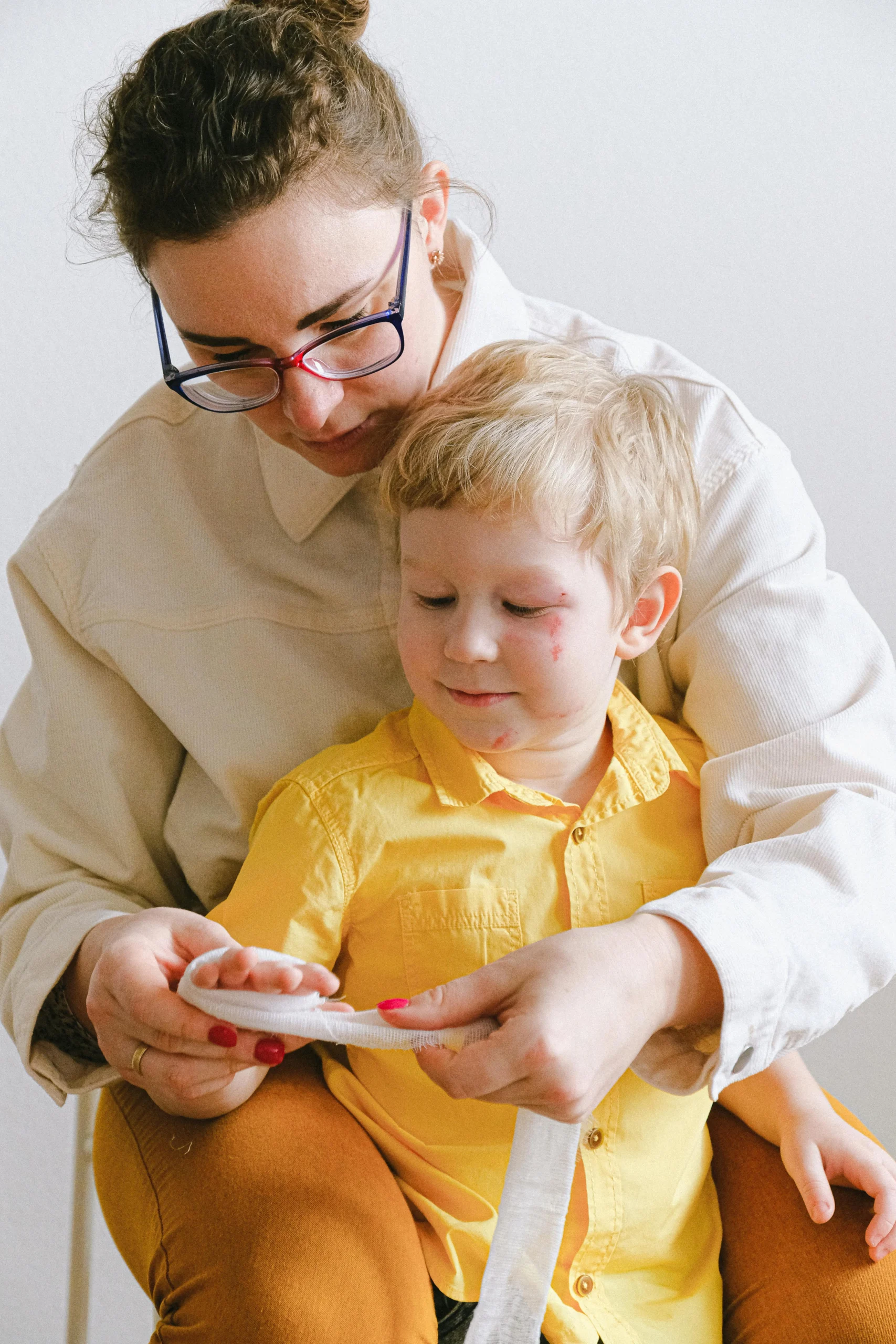
Burns and Scalds in Kids: First Aid, What to Watch For, and When to Get Help
Not sure how to treat a minor burn on a child? Learn first aid for burns and scalds, what needs medical attention, and when to take your child to a doctor.
Jun 23, 2026
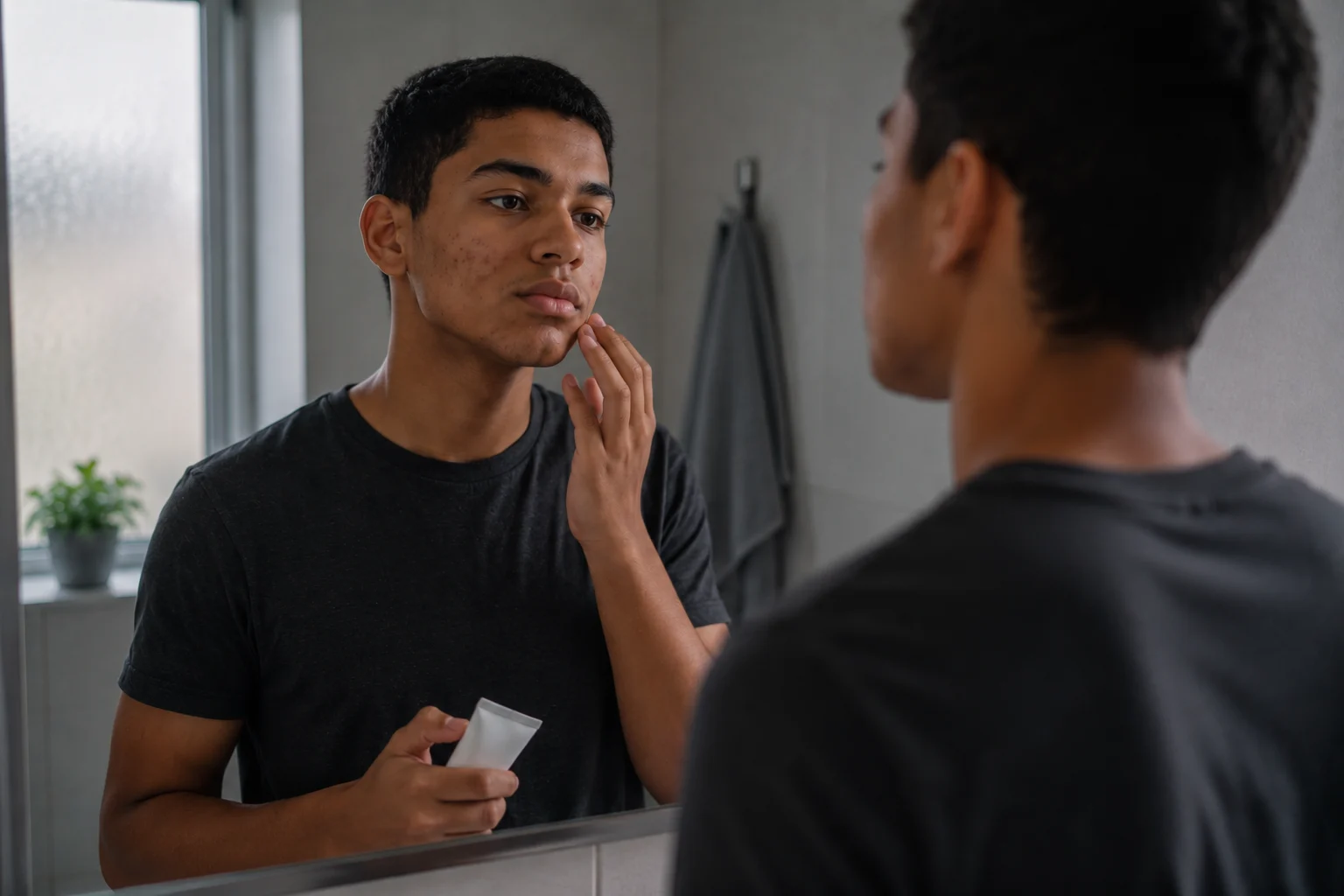
Teen Acne: What Causes It and How to Help Your Teenager Manage Breakouts
Watching your teen struggle with frustrating breakouts? Learn what causes teen acne, what helps, and when it's time to see a doctor or dermatologist.
Jun 23, 2026
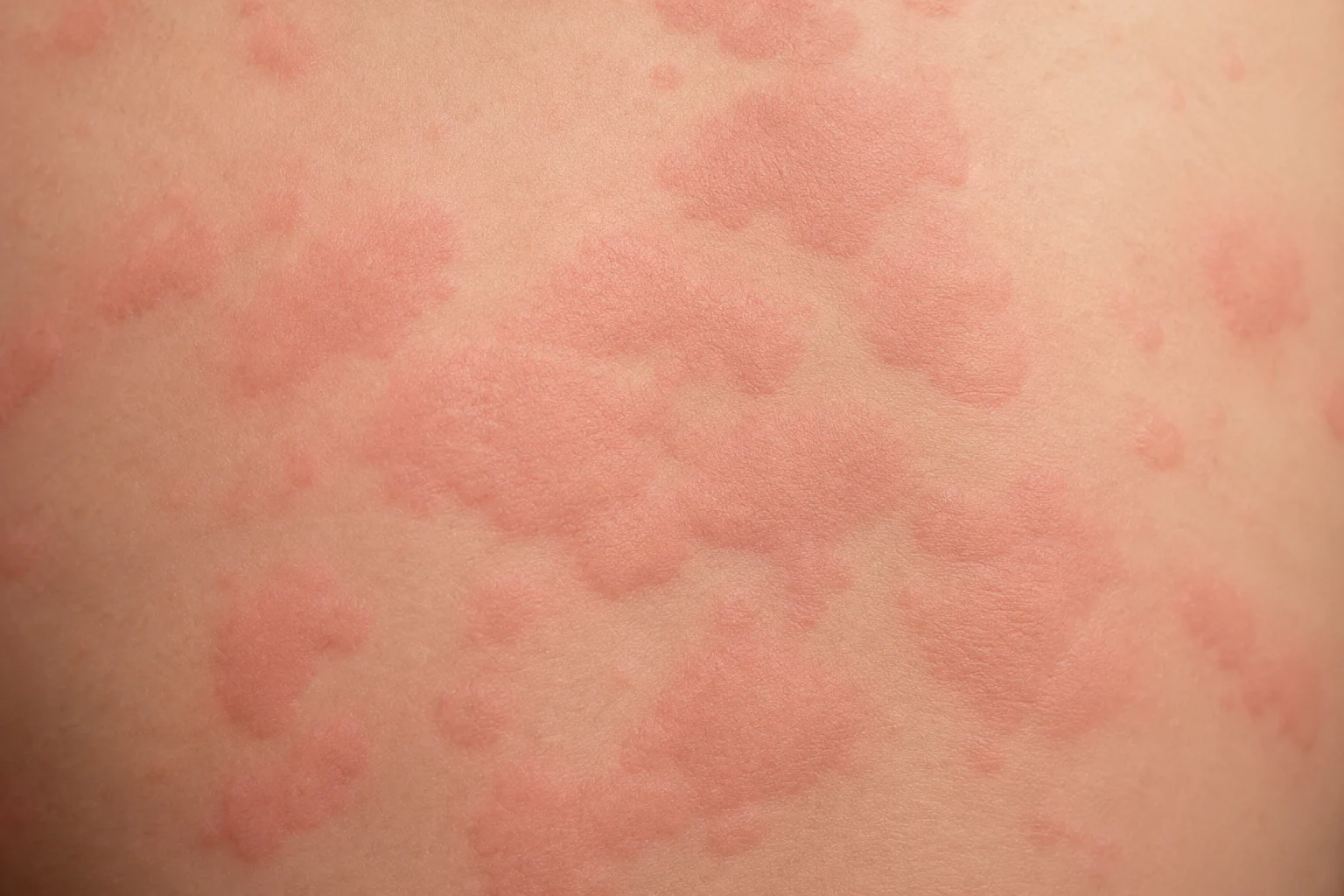
Hives in Children: Common Causes, Types, and When to Worry
Wondering why your child suddenly has itchy red welts on their skin? Learn the common causes of hives in children, the difference between acute and chronic urticaria, and when to seek care.
Ready to speak with a board-certified pediatric physician?
Get expert care for your child from the comfort of your home — no insurance required.