
Hives in Children: Common Causes, Types, and When to Worry
Wondering why your child suddenly has itchy red welts on their skin? Learn the common causes of hives in children, the difference between acute and chronic urticaria, and when to seek care.
What Are Hives and What Causes Them?
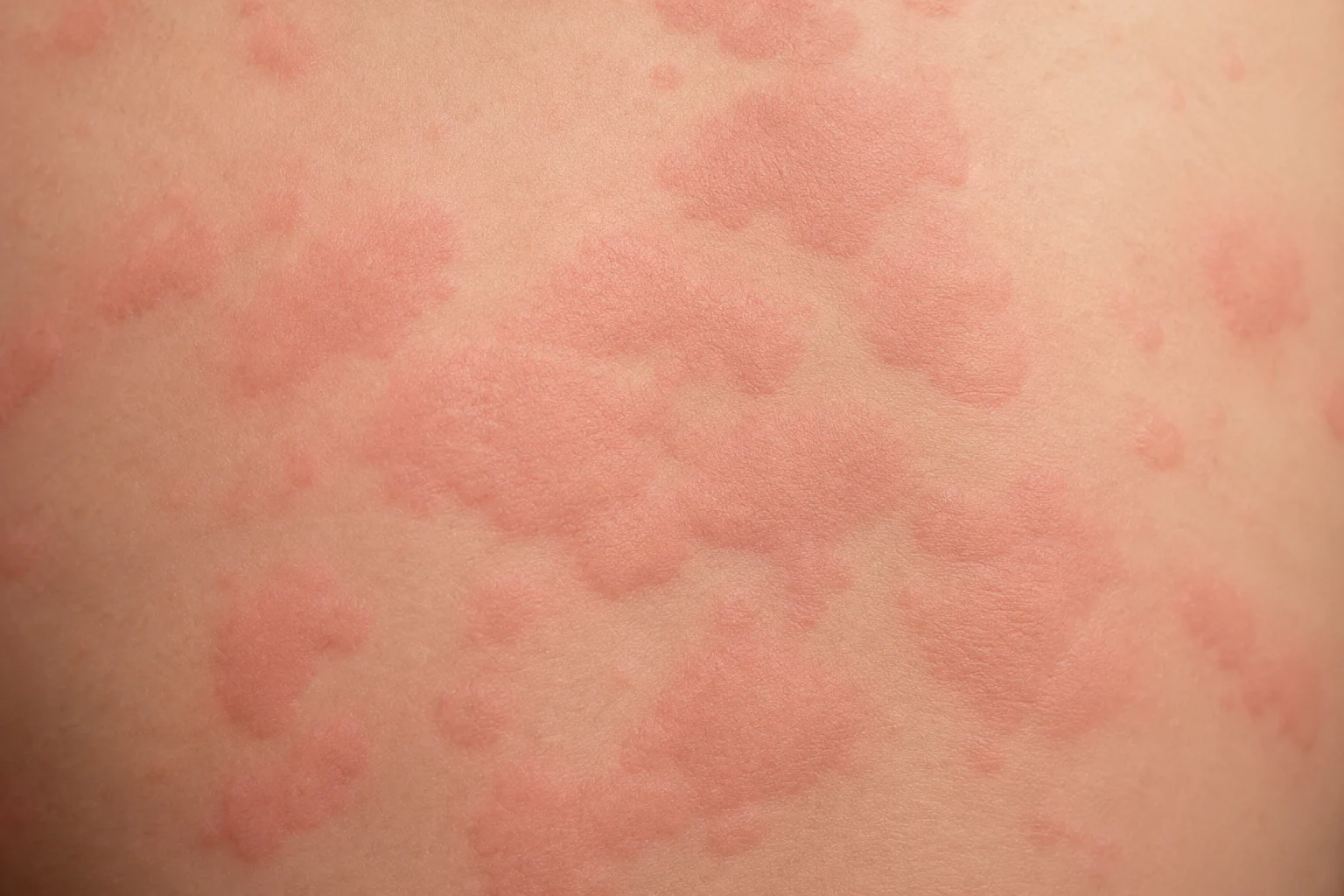
A hive is a raised, itchy welt that appears when the skin reacts to a trigger, often as part of an allergic reaction. Hives can vary in size, ranging from small spots to larger patches, and they can appear on any part of the body. They usually have red borders with a paler center, and individual welts often fade within a few hours, even as new ones appear elsewhere. The cause of hives in children can be tricky to pin down, since several different things can cause hives, including:- Food allergies, such as to nuts, eggs, or shellfish
- Insect bites or stings
- Medications
- A recent viral infection
- Exposure to heat, cold, or pressure on the skin
What's the Difference Between Acute and Chronic Hives?
Hives in children are generally classified as acute or chronic based on how long they last. Acute hives usually appear suddenly and clear up within a few days to a couple of weeks, often tied to a viral illness, food, or another short-term trigger. Chronic urticaria is diagnosed when hives keep appearing, or new ones keep forming, for six weeks or longer. Chronic urticaria in children is less common than the acute form but does happen, and it can be frustrating for families since the cause of chronic hives often isn't as obvious as a single food or exposure. Within chronic urticaria, there are a few recognized subtypes, including:- Chronic spontaneous urticaria, sometimes called chronic idiopathic urticaria, where no clear trigger is identified
- Chronic inducible urticaria, including physical urticaria triggered by things like pressure, cold, or exercise
- Cold urticaria and cholinergic urticaria, which are triggered by temperature changes or sweating
- Autoimmune urticaria, where the immune system itself plays a role in ongoing symptoms
How Common Is Urticaria in Children, and Who Is Affected?
Urticaria in childhood is fairly common, and most children will experience at least one episode of hives at some point, often tied to a viral infection or a one-time allergic reaction. Children with atopic dermatitis or other allergic conditions may be somewhat more prone to developing hives, though urticaria can affect children and adults without any other allergy history at all. Children under the age of about six tend to see hives most often triggered by viral illness, while in older children and adolescents, chronic spontaneous urticaria becomes a more relevant consideration when symptoms persist. Either way, a single episode of hives doesn't necessarily mean a child is prone to recurrent urticaria going forward.How Are Hives Treated, and When Should You See a Doctor?
The primary treatment for most cases of hives is an antihistamine, which helps reduce itching and swelling while the reaction runs its course. For acute urticaria tied to a known trigger, simply avoiding that allergen going forward, when one can be identified, is often enough. For chronic hives or cases that don't respond well to standard antihistamines, a doctor may explore additional treatment options or refer your child for further evaluation, sometimes using a tool called the Urticaria Activity Score to track symptoms over time and guide follow-up care. Call your doctor if your child's hives are accompanied by any of the following, since these can signal a more serious allergic reaction requiring epinephrine and emergency care:- Swelling of the lips, tongue, or throat
- Difficulty breathing or swallowing
- Dizziness or fainting
- Hives that appear suddenly after a new food, medication, or insect sting
Support at Home Matters, but So Does Guidance
Most cases of hives in children are uncomfortable but not dangerous, and a cool compress along with an age-appropriate antihistamine can go a long way toward easing the itching while you wait it out. Keeping a simple note of what your child ate, did, or was exposed to before hives appeared can also be useful information for a follow-up visit. If your child's hives keep coming back, last longer than expected, or you're just looking for a clearer diagnosis and treatment plan, a board-certified doctor can help sort through possible causes, the same day and without leaving home. This blog is for informational purposes only and is not a substitute for professional medical advice, diagnosis, or treatment. Always consult your child's doctor or a qualified healthcare provider with any questions you may have regarding a medical condition.More Articles
Related Reading
Jul 29, 2026
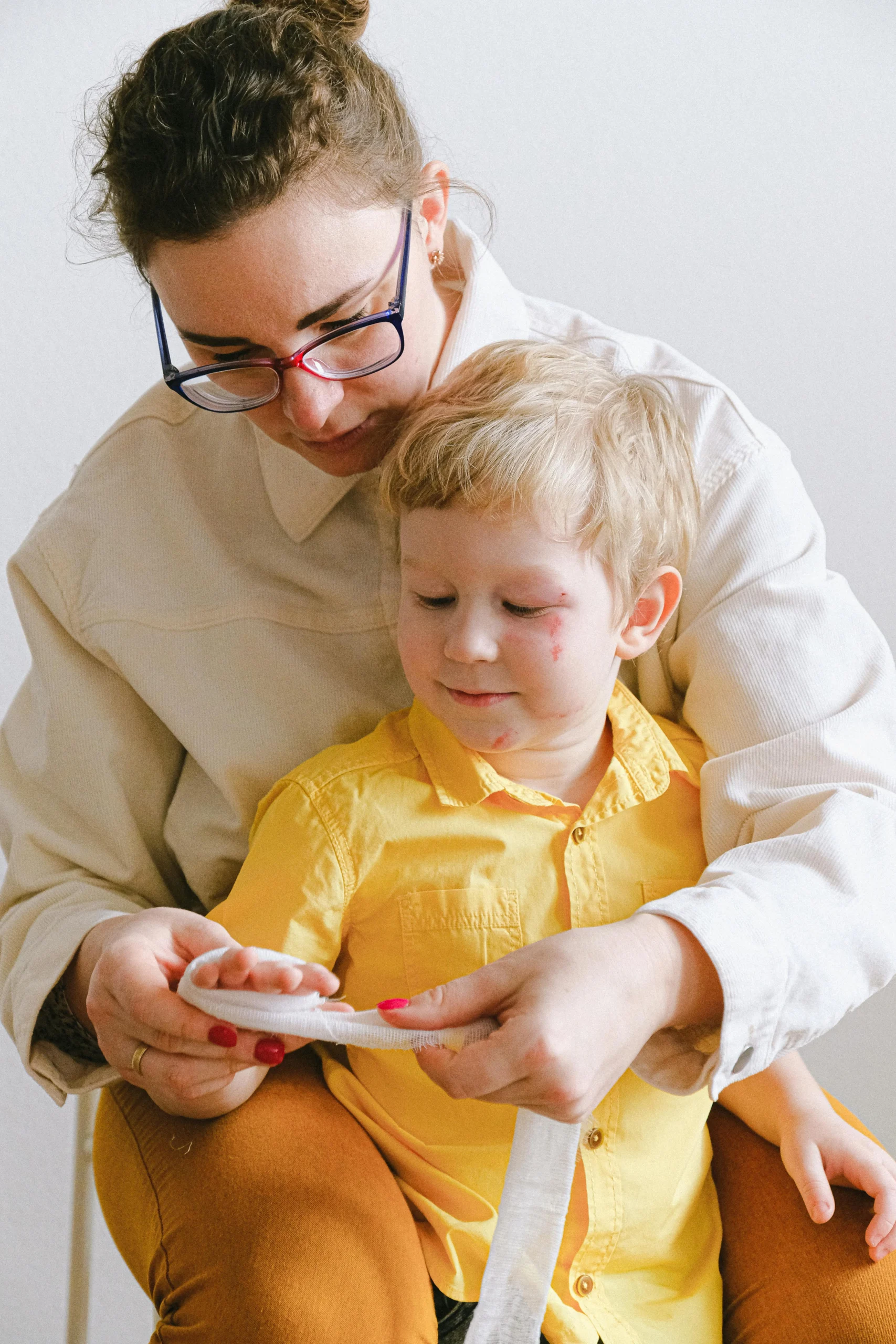
Burns and Scalds in Kids: First Aid, What to Watch For, and When to Get Help
Not sure how to treat a minor burn on a child? Learn first aid for burns and scalds, what needs medical attention, and when to take your child to a doctor.
Jun 23, 2026
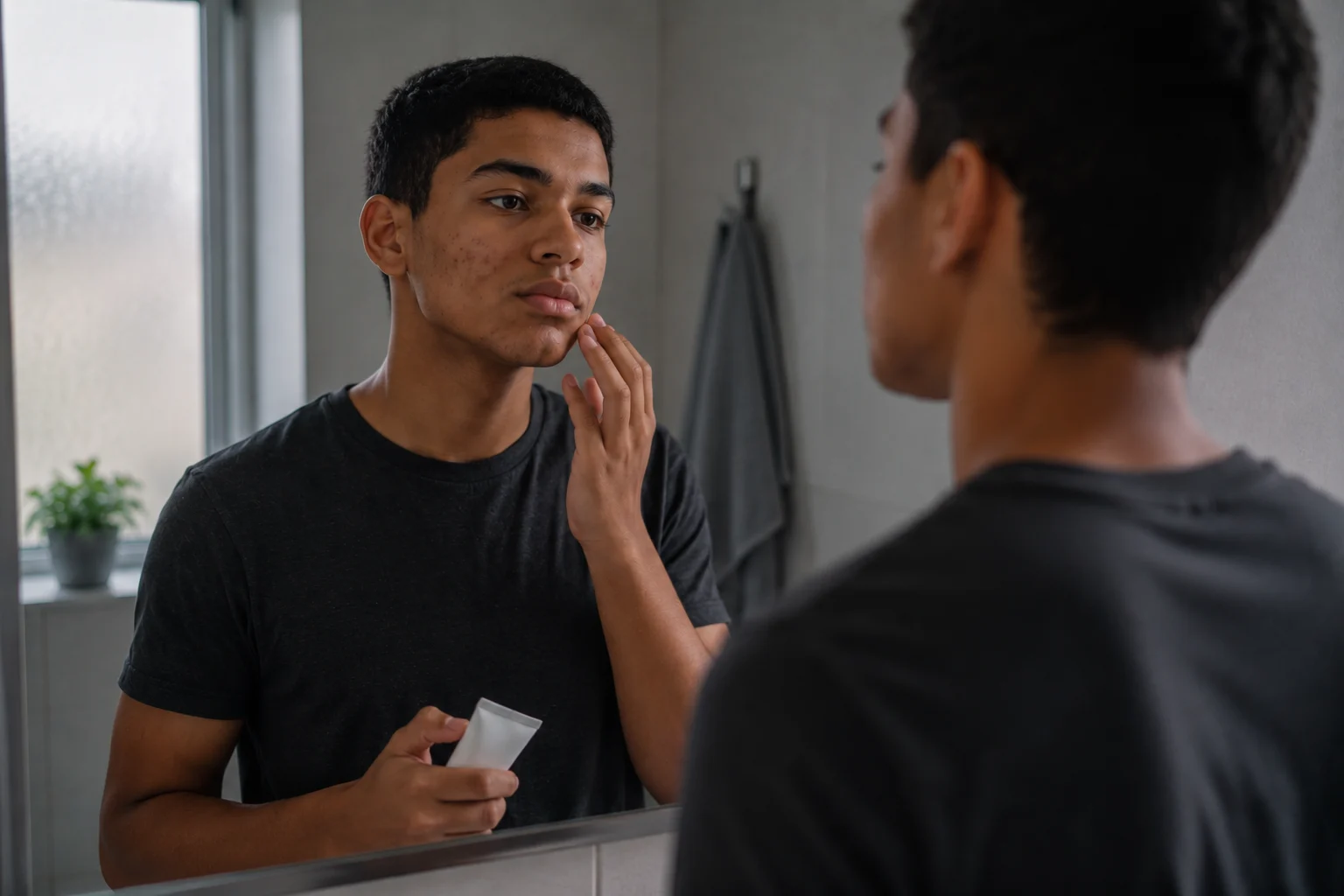
Teen Acne: What Causes It and How to Help Your Teenager Manage Breakouts
Watching your teen struggle with frustrating breakouts? Learn what causes teen acne, what helps, and when it's time to see a doctor or dermatologist.
Jun 23, 2026
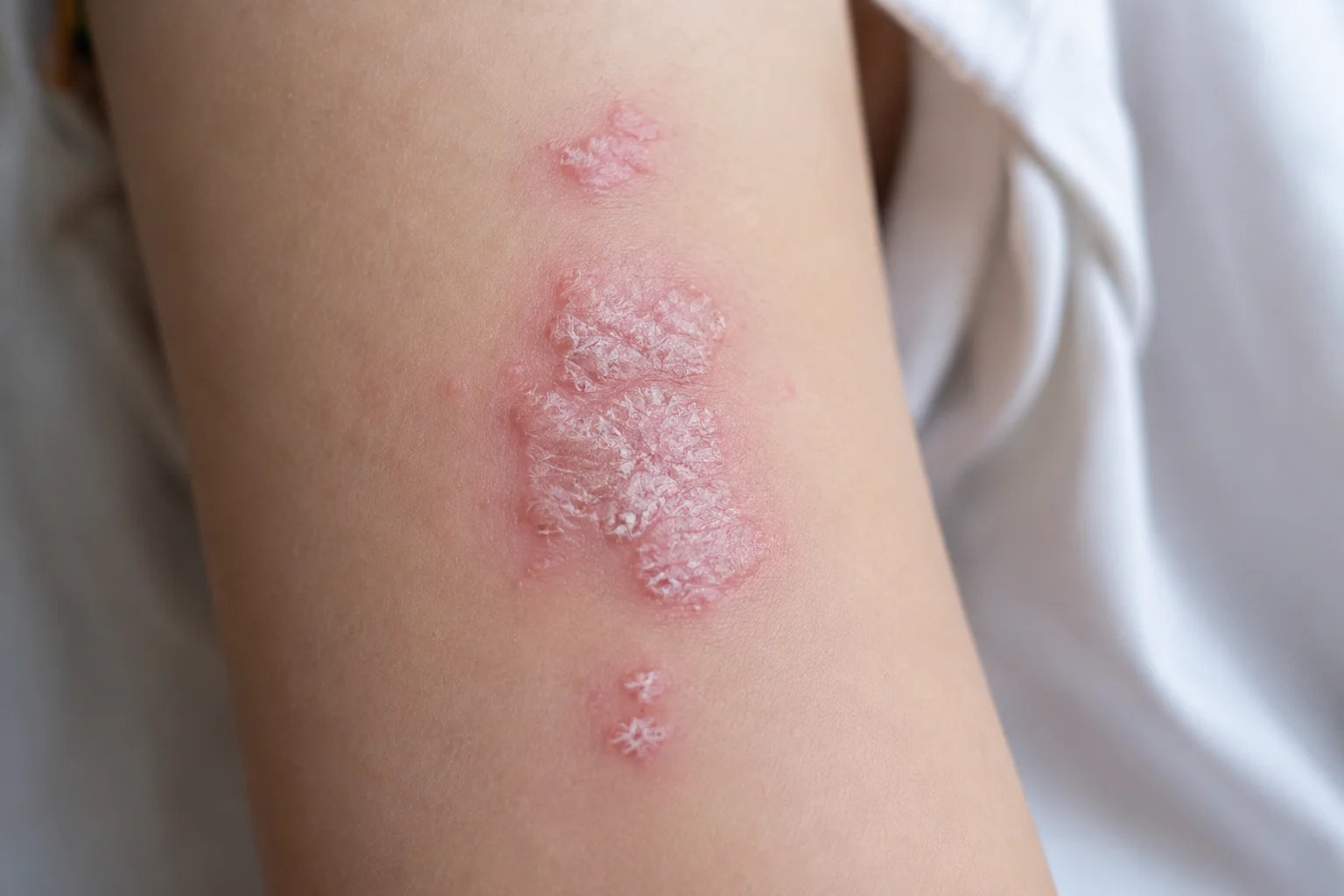
Psoriasis in Children: What Parents Should Know About Symptoms and Treatment
Noticing thick, scaly patches on your child's skin that don't look like typical eczema? Learn about pediatric psoriasis, its types, and treatment options.
Ready to speak with a board-certified pediatric physician?
Get expert care for your child from the comfort of your home — no insurance required.