Psoriasis in Children: What Parents Should Know About Symptoms and Treatment
Noticing thick, scaly patches on your child's skin that don't look like typical eczema? Learn about pediatric psoriasis, its types, and treatment options.
What Is Pediatric Psoriasis?
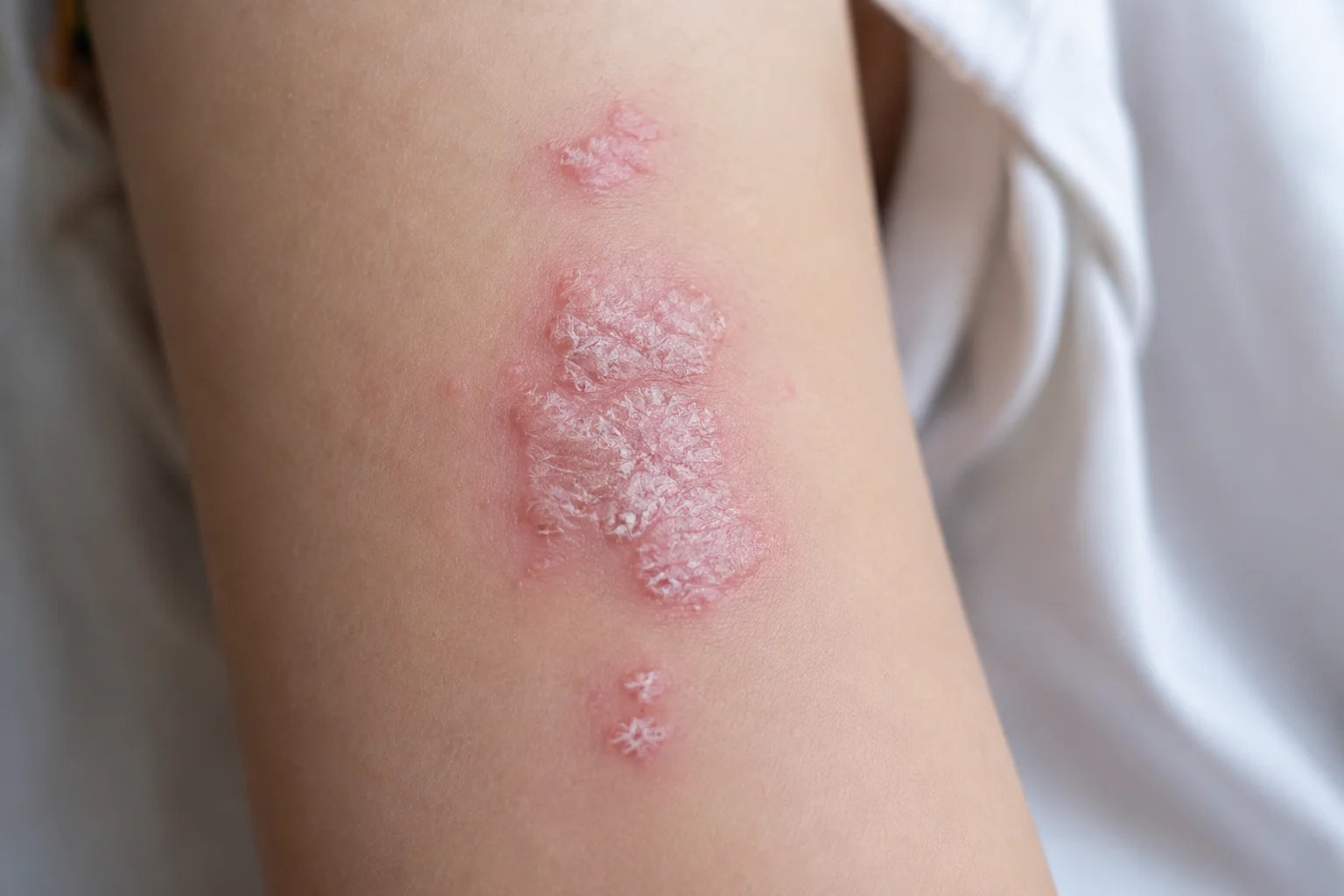
Psoriasis is a chronic condition that affects the skin, and in some cases the joints, causing the body's immune system to speed up skin cell turnover. Instead of shedding normally, skin cells build up quickly, leading to the thick, scaly patches commonly associated with the condition. The prevalence of psoriasis in children is estimated to be lower than in adults, though it's increasingly recognized as a distinct concern in pediatric patients. Researchers don't know exactly what causes psoriasis, but a combination of genetics and immune system factors appears to play a role. A family history of psoriasis can increase a child's risk of developing it, and according to the Psoriasis Foundation, certain triggers like infections, stress, or skin injury can bring on a first flare or worsen existing symptoms.What Are the Different Types of Psoriasis in Children?
There are several types of psoriasis, and children can experience patterns that look a bit different from what's typical in adults. The most common type of psoriasis in children and adolescents is plaque psoriasis, also called psoriasis vulgaris, which appears as raised, scaly patches, often on the scalp, elbows, and knees. Other forms that show up in pediatric patients include:- Guttate psoriasis, which causes small, drop-shaped spots and is sometimes triggered by a strep infection
- Scalp psoriasis, which can be mistaken for severe dandruff
- Inverse psoriasis, which appears in skin folds and looks smoother than plaque psoriasis
- Nail psoriasis, which can cause pitting or thickening of the nails
- Pustular psoriasis, which is rare in children and involves small, pus-filled bumps
- Erythrodermic psoriasis, a severe form of psoriasis that affects most of the body and needs prompt medical attention
What Are the Symptoms of Psoriasis in Children?
Symptoms of psoriasis can vary depending on the type and severity, but there are some common signs parents tend to notice first. The first sign of psoriasis is often a patch of red, raised skin with silvery white scale, frequently on the scalp, behind the ears, or on the elbows and knees. Children with psoriasis may also experience:- Dry, cracked skin that may bleed
- Itching or a burning sensation
- Thickened or pitted nails
- Joint pain, in cases involving psoriasis and psoriatic arthritis
- Patches that flare up and then improve in cycles
How Is Childhood Psoriasis Treated?
Treatment of pediatric psoriasis typically starts with the least invasive options and moves up if symptoms don't improve. For mild to moderate psoriasis, a topical treatment, such as a prescription cream or ointment, is often the first step and tends to be well tolerated in children. For scalp psoriasis specifically, medicated shampoos or topical solutions designed for the scalp can be useful when standard creams are harder to find.. When topical treatment alone isn't enough, especially for moderate to severe plaque psoriasis, a doctor may consider systemic treatment, which works throughout the body rather than just on the skin's surface. Providers may also use a tool called the Psoriasis Area and Severity Index to track how a child's psoriasis is responding to treatment over time. The management of childhood psoriasis is usually a process of finding what works for that specific child, since successful treatment can look different from one case to the next.Support at Home Matters, but So Does Guidance
Gentle skincare, consistent moisturizing, and avoiding known triggers can help manage day-to-day comfort for children with psoriasis. It's also worth knowing that psoriasis and atopic dermatitis can sometimes look similar, which is part of why getting an accurate diagnosis matters before settling into a long-term routine. If your child has new or worsening skin patches that aren't responding to typical eczema care, a board-certified doctor can help you figure out what's going on and prescribe the right treatment for your child. This blog is for informational purposes only and is not a substitute for professional medical advice, diagnosis, or treatment. Always consult your child's doctor or a qualified healthcare provider with any questions you may have regarding a medical condition.More Articles
Related Reading
Jul 29, 2026
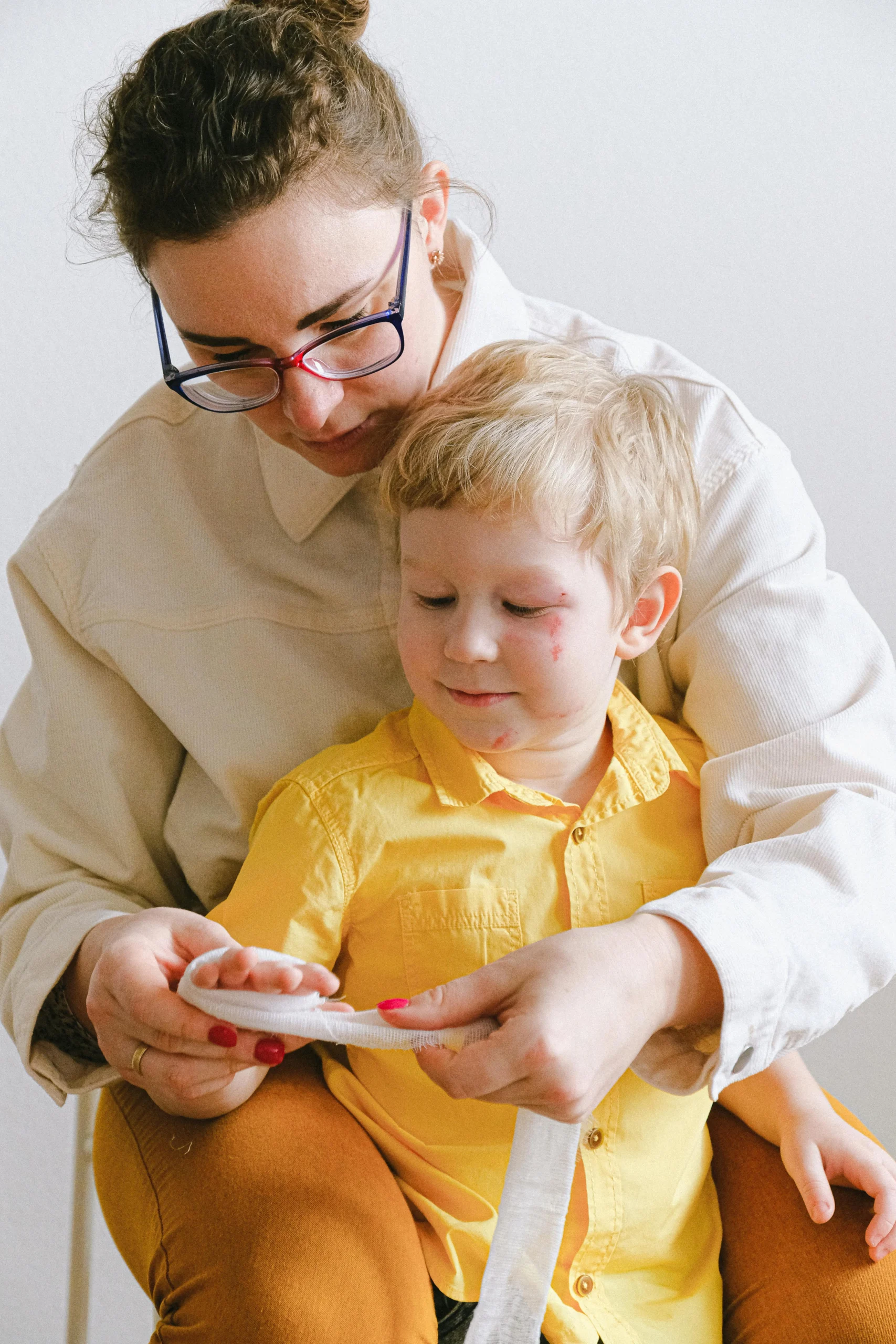
Burns and Scalds in Kids: First Aid, What to Watch For, and When to Get Help
Not sure how to treat a minor burn on a child? Learn first aid for burns and scalds, what needs medical attention, and when to take your child to a doctor.
Jun 23, 2026
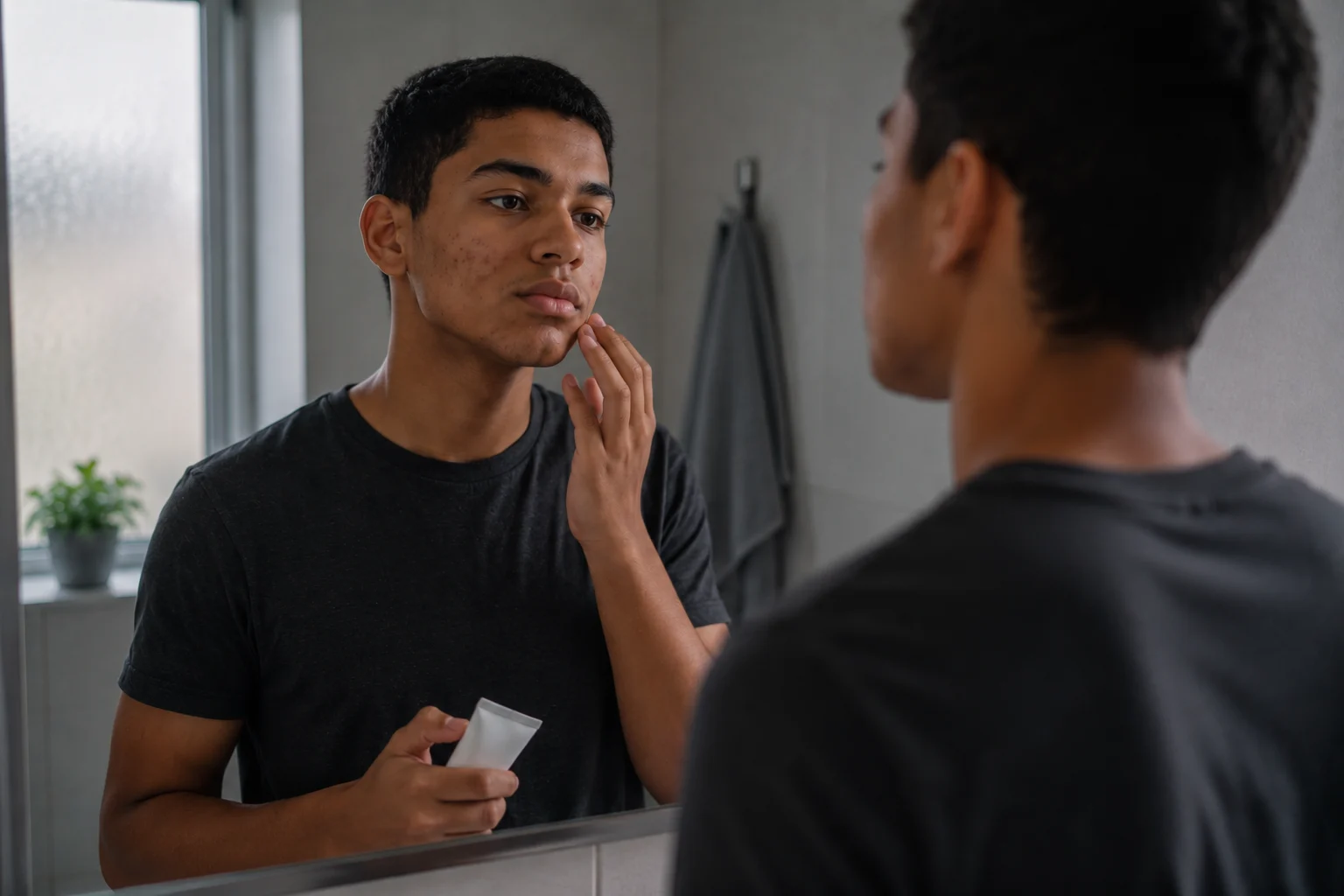
Teen Acne: What Causes It and How to Help Your Teenager Manage Breakouts
Watching your teen struggle with frustrating breakouts? Learn what causes teen acne, what helps, and when it's time to see a doctor or dermatologist.
Jun 23, 2026
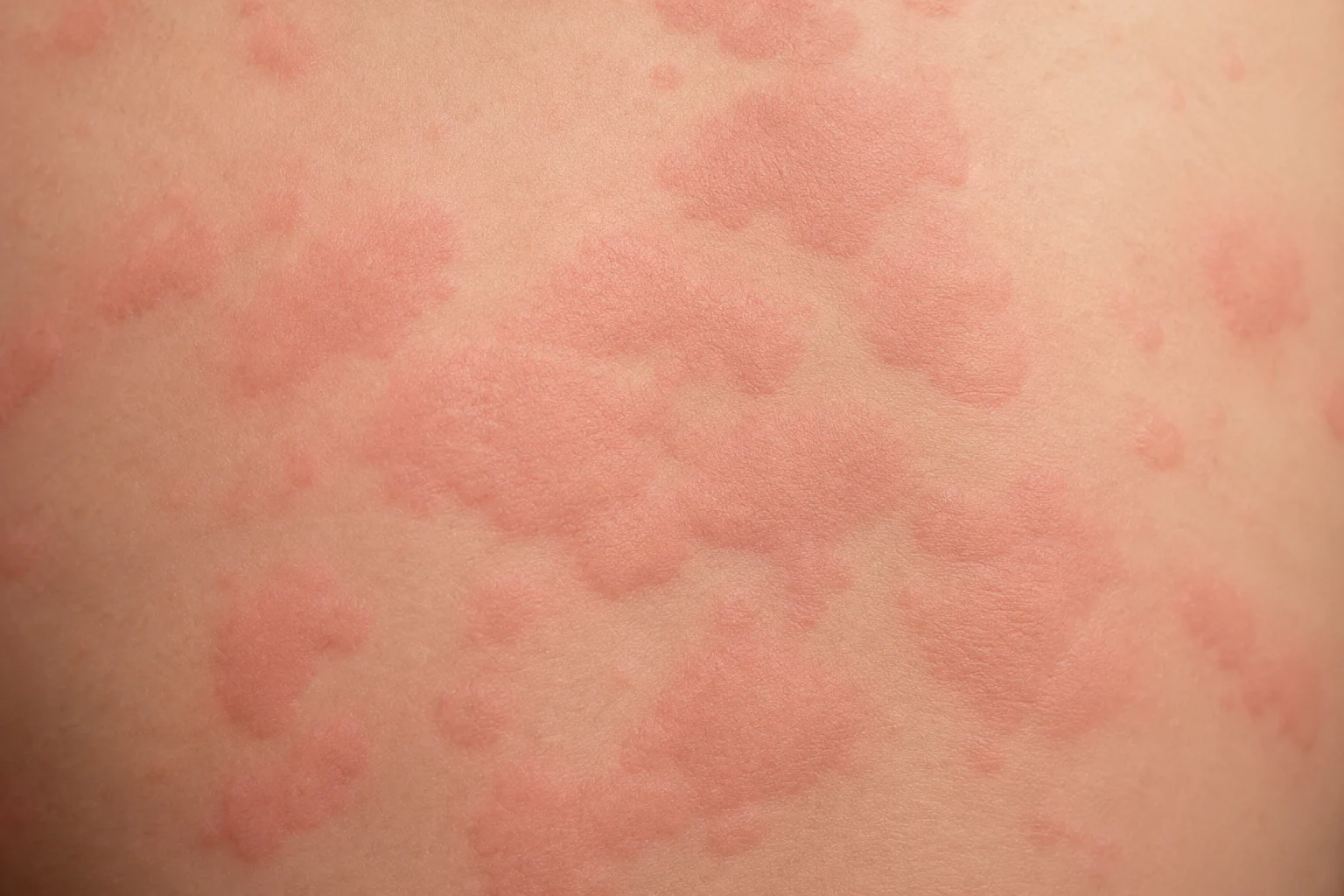
Hives in Children: Common Causes, Types, and When to Worry
Wondering why your child suddenly has itchy red welts on their skin? Learn the common causes of hives in children, the difference between acute and chronic urticaria, and when to seek care.
Ready to speak with a board-certified pediatric physician?
Get expert care for your child from the comfort of your home — no insurance required.