
Teen Acne: What Causes It and How to Help Your Teenager Manage Breakouts
Watching your teen struggle with frustrating breakouts? Learn what causes teen acne, what helps, and when it's time to see a doctor or dermatologist.
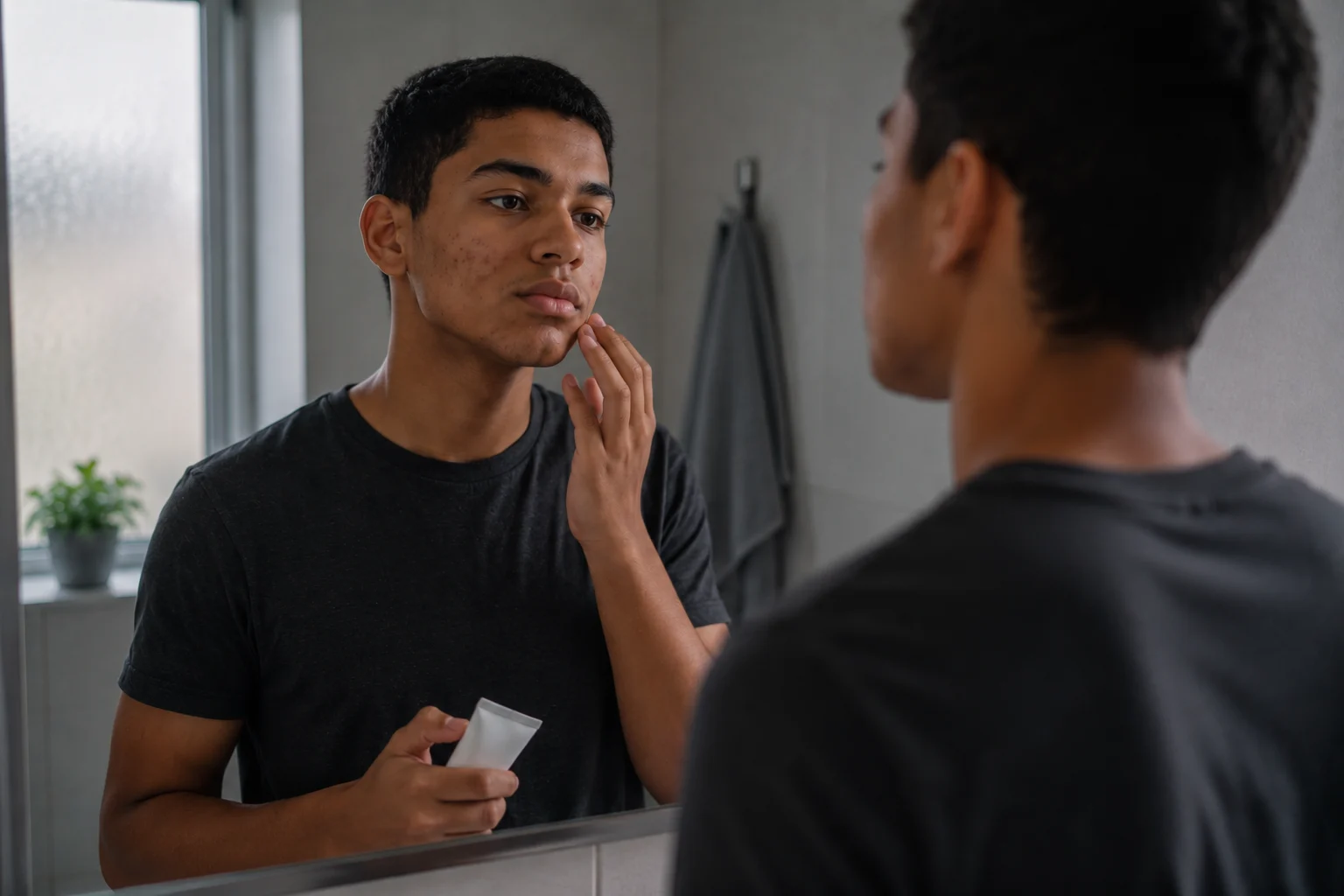
What Causes Acne in Teens?
Acne typically develops when hormonal changes during puberty increase oil production in the skin. Higher hormone levels cause the skin's oil glands to produce more sebum, which can mix with dead skin cells and clog pores. Once a pore is clogged, bacteria can build up underneath, leading to the redness and inflammation that show up as a breakout. Hormonal shifts are the main driver, but several other things can contribute to acne or make existing breakouts worse, including:- Touching or picking at the face throughout the day
- Heavy or oily skin care products
- Friction from helmets, straps, or phone screens against the skin
- High stress levels
- Certain medications
What Are the Different Types of Acne?
Not all breakouts look the same, and understanding the types of acne can help explain why some respond quickly to over-the-counter treatment while others need a dermatologist's input. Mild acne often shows up as blackheads or whiteheads from clogged pores without much inflammation. More inflamed forms include:- Papules, which are small, tender red bumps
- Pustules, which look similar but contain visible pus
- Nodules, larger and deeper bumps that form under the skin
- Cysts, the most painful and deepest form, often associated with severe acne
How Can Parents Help Their Teen Manage Acne at Home?
Parents can help by encouraging a simple, consistent skin care routine rather than constantly switching products in search of a quick fix. A gentle cleanser used twice a day, paired with a non-comedogenic moisturizer, is usually a better starting point than a harsh scrub, which can actually make acne worse by irritating already inflamed skin. A few tips for acne that tend to help:- Avoid popping pimples, which can increase the risk of scarring
- Look for over-the-counter acne products containing topical benzoyl peroxide or salicylic acid
- Change pillowcases regularly to reduce buildup of oil and bacteria
- Encourage your teen to avoid touching their face throughout the day
- Be patient, since most topical treatment options take several weeks to show results
When Should a Teen See a Doctor or Dermatologist for Acne?
Most mild to moderate breakouts respond well to consistent over-the-counter acne care, but there are times when seeing a doctor or a dermatologist makes sense. According to Mayo Clinic Health System, signs that it may be time for professional treatment include acne that hasn't improved after a few months of consistent home care, or breakouts that are painful, deep, or starting to leave noticeable scarring. For teens with more severe acne, a dermatologist may discuss treatment options like prescription topical treatment, hormonal treatments, or in more persistent or scarring acne cases, isotretinoin. A pediatric dermatologist can also help rule out other causes and tailor a treatment plan to your teen's specific skin and history. Early treatment matters because untreated acne can lead to permanent scarring and may also affect a teen's confidence during a time when self-esteem is especially sensitive to appearance.Support at Home Matters, but So Does Guidance
A steady skin care routine, patience, and avoiding harsh products at home all go a long way in supporting your teen through breakouts. But when acne isn't improving, seems to be getting worse, or is clearly affecting how your teen feels about themselves, it's okay to bring in extra support. A board-certified doctor can help evaluate your teen's acne and recommend next steps, including a referral to a dermatologist if needed, without an in-person visit required first. This blog is for informational purposes only and is not a substitute for professional medical advice, diagnosis, or treatment. Always consult your child's doctor or a qualified healthcare provider with any questions you may have regarding a medical condition.More Articles
Related Reading
Jul 29, 2026
Burns and Scalds in Kids: First Aid, What to Watch For, and When to Get Help
Not sure how to treat a minor burn on a child? Learn first aid for burns and scalds, what needs medical attention, and when to take your child to a doctor.
Jun 23, 2026
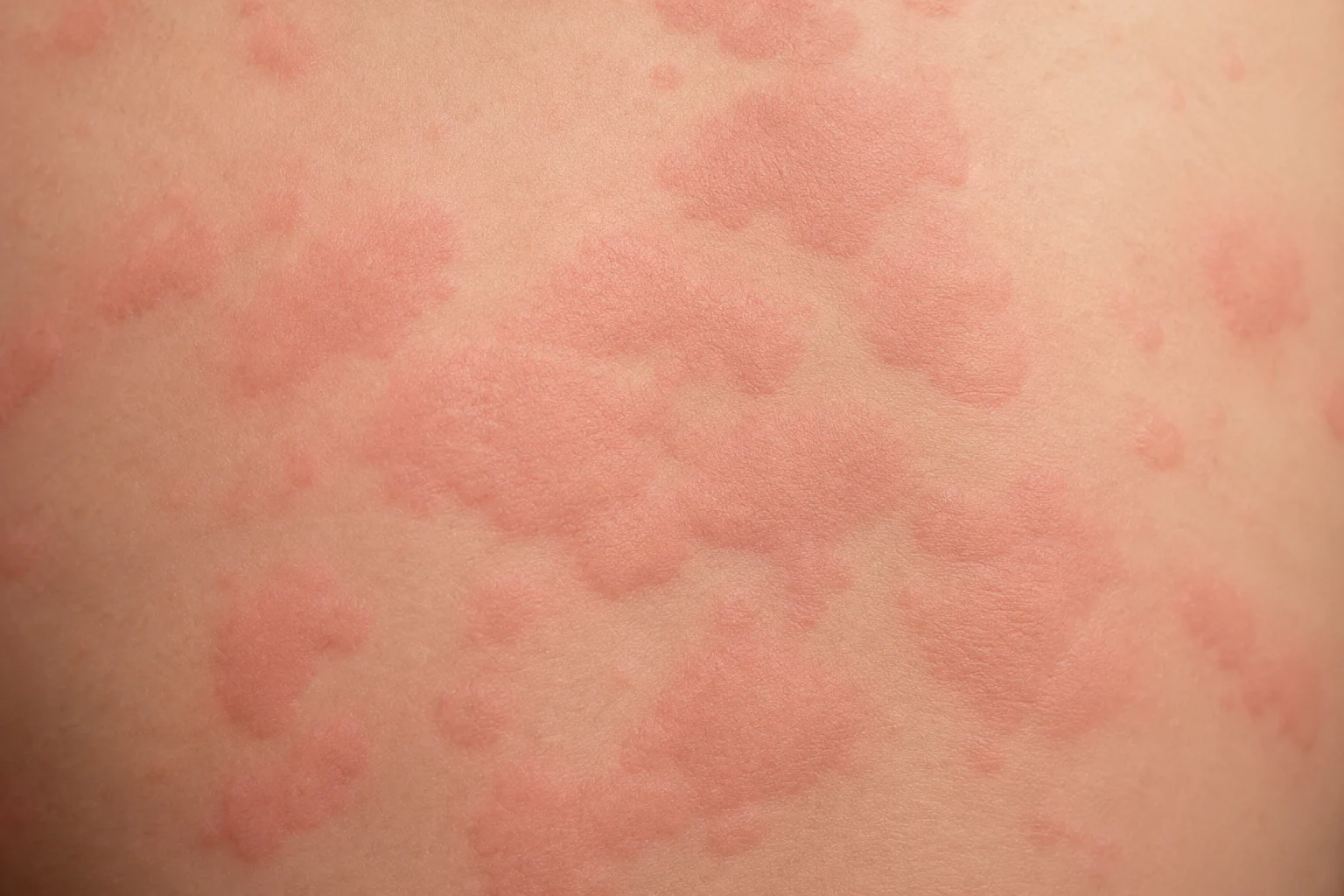
Hives in Children: Common Causes, Types, and When to Worry
Wondering why your child suddenly has itchy red welts on their skin? Learn the common causes of hives in children, the difference between acute and chronic urticaria, and when to seek care.
Jun 23, 2026
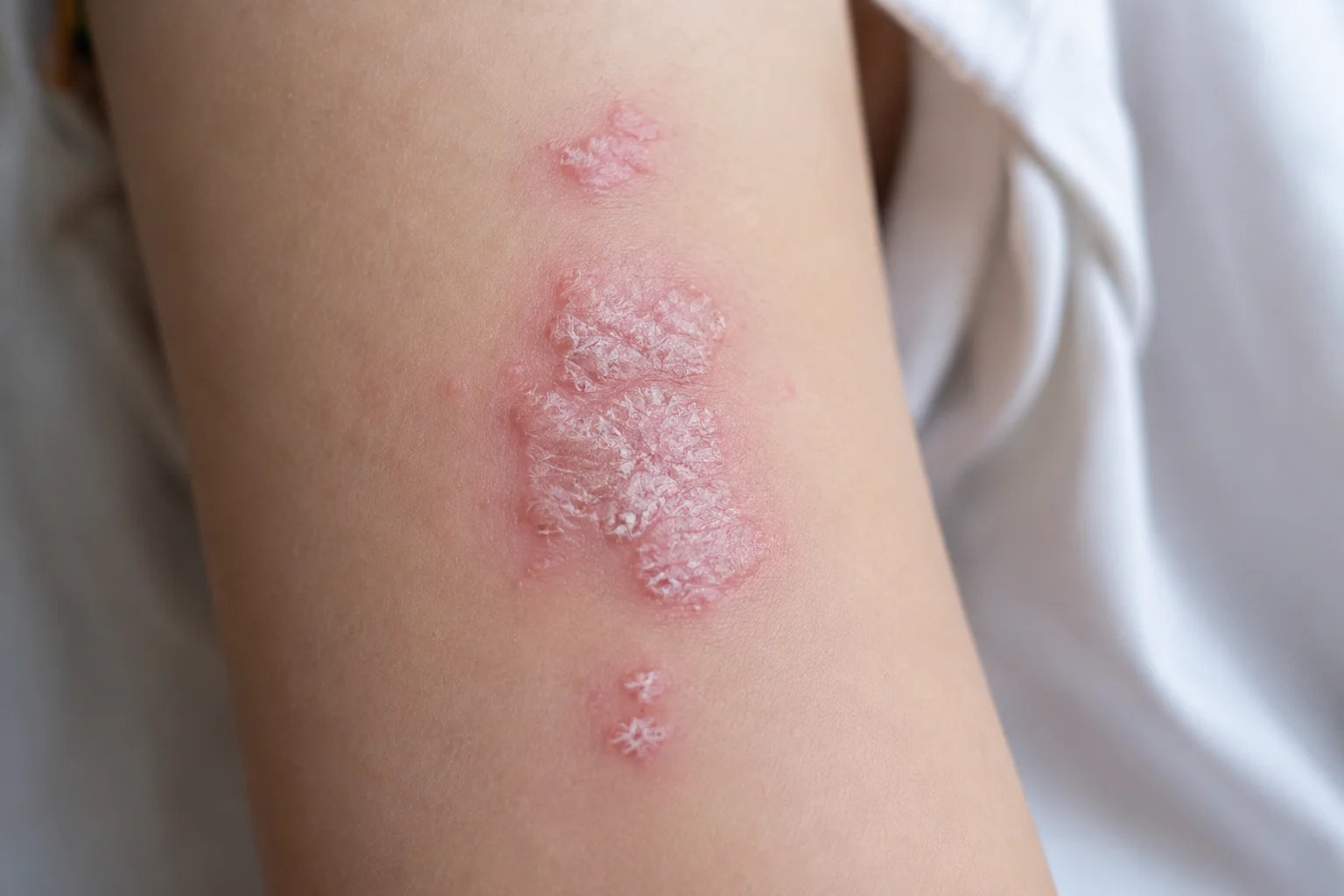
Psoriasis in Children: What Parents Should Know About Symptoms and Treatment
Noticing thick, scaly patches on your child's skin that don't look like typical eczema? Learn about pediatric psoriasis, its types, and treatment options.
Ready to speak with a board-certified pediatric physician?
Get expert care for your child from the comfort of your home — no insurance required.