
Head Lice in Children: What to Look For and How to Treat It
Got a note home from school about lice? Learn how to spot head lice, what treatment actually works, and when to call your child's doctor.
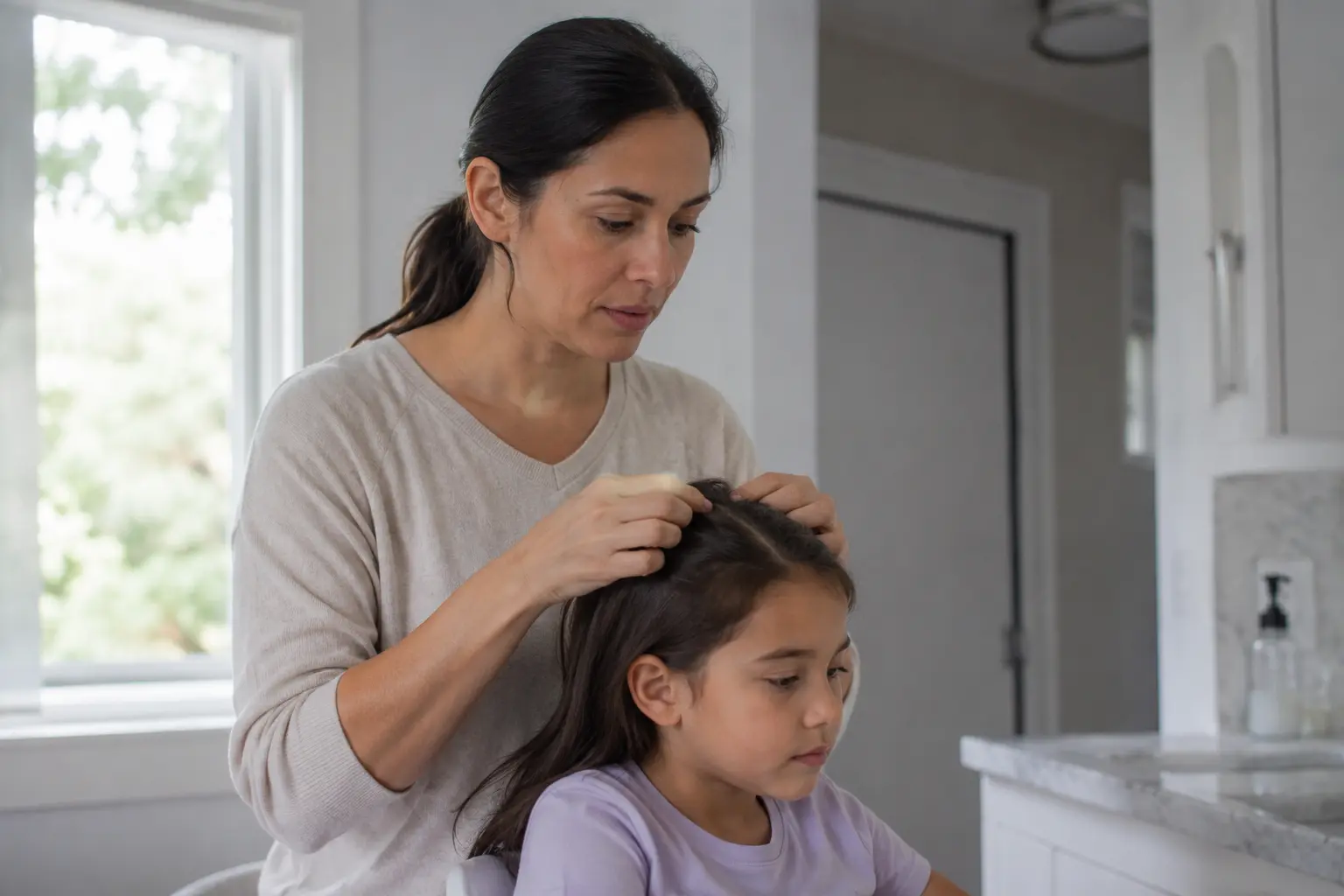
You’re checking your child’s hair after a note from school when you spot something tiny near the scalp. At first, you think it might just be a bit of dry skin or a flake. Then you notice it doesn’t brush away easily, and you start to wonder if it could be head lice.
Head lice are common among school-aged children and can happen to any family. While finding them can be stressful, they are treatable and usually manageable at home.
This article explains what head lice look like, how they spread, how to treat them, and when it’s worth talking with a doctor.
What to Look for When Checking for Lice
Adult lice are tiny insects that move quickly through the hair, which makes them harder to spot than most people expect. What you're more likely to find first are nits, the eggs that lice lay very close to the scalp, attached firmly to individual strands. They're small, oval-shaped, and yellowish-white to brown in color. Unlike dandruff or loose flakes, they don't come free when you brush or shake the hair, which is one of the clearest ways to tell them apart.
The most common places to find nits are at the back of the neck and around the ears, since those are the warmest spots on the scalp where lice prefer to lay eggs. Adult lice themselves are harder to catch because they move fast, but they can sometimes be spotted when combing through wet hair under good lighting.
Itching is the most recognizable symptom of head lice and is caused by a reaction to bites on the scalp. However, not every child will scratch noticeably, especially in the early stages. Some children may have lice for several weeks before anyone notices, which is why a thorough scalp and hair check is more useful than waiting for your child to complain about itching.
How Head Lice Spread
Lice are very common among school-age children, and picking them up has nothing to do with cleanliness or hygiene. They spread almost entirely through direct contact between heads, since they can't jump or fly and can only move by crawling. Activities like playing sports, sleepovers, or any situation where children are close together create easy opportunities for lice to pass from one head to another.
Sharing personal items like hats, brushes, or hair accessories is a less common route, but still worth discouraging during an active school outbreak. Pets don't carry human lice, so the family dog or cat isn't a concern.
Once one child in the household is confirmed to have head lice, it’s a good idea to check everyone else. Lice can spread through a family before anyone realizes what’s happening. Treating only the child who was initially identified while leaving others unchecked can allow the infestation to spread and lead to repeated outbreaks.
How to Check Your Child's Hair
Good lighting and a fine-tooth comb can make checking your child’s hair much easier. Applying conditioner first helps the comb glide through the hair without pulling, while working through small sections methodically gives you a much better chance of spotting lice or nits than a quick visual scan.
Divide the hair into small sections and work from the scalp outward, wiping the comb on a white paper towel between passes so you can see anything that comes off. Pay particular attention to the nape of the neck and around the ears. If you find what looks like nits, try to pull one free with your fingers. If it slides off easily it's probably dandruff or product buildup. If it's firmly attached, it's more likely to be an egg.
Treating Head Lice at Home
An over-the-counter medicated shampoo or rinse is usually the first step in treating head lice at home. Most products need to remain on the hair and scalp for a specific amount of time before being rinsed out. A second treatment about a week later is often recommended to kill any newly hatched lice that may have survived the first treatment.
Combing is just as important as the medicated treatment, and skipping this step can make it harder to fully clear an infestation. After applying conditioner, work through wet hair in small sections with a fine-tooth lice comb to remove lice and nits more thoroughly than shampoo alone. It can be time-consuming, especially with long or thick hair, but thorough combing can make a significant difference.
A few additional steps worth following alongside treatment:
Wash bedding, hats, and recently worn clothing in hot water
Soak any brushes or accessories used in the child's hair
Check everyone in the household every two to three days until no live lice have been found for ten days
Only treat household members who actually have live lice or nits, not everyone as a precaution
Your child can return to school the day after their first treatment begins, according to guidance from the CDC. There's no need to keep them home until every nit is gone.
When to Seek Medical Advice
Most cases of head lice can be cleared with consistent at-home treatment, but there are situations where it’s a good idea to involve a doctor. If live lice are still present after two full rounds of over-the-counter treatment, your child may need a prescription treatment, especially since some lice have developed resistance to commonly used products. If your child has sores on the scalp from scratching that appear red, swollen, or infected, those should also be evaluated.
A board-certified doctor can confirm the diagnosis, recommend the appropriate next step, and in many cases provide guidance through a same-day virtual visit.
This blog is for informational purposes only and is not a substitute for professional medical advice, diagnosis, or treatment. Always consult your child's doctor or a qualified healthcare provider with any questions you may have regarding a medical condition.
More Articles
Related Reading
Jul 29, 2026
Burns and Scalds in Kids: First Aid, What to Watch For, and When to Get Help
Not sure how to treat a minor burn on a child? Learn first aid for burns and scalds, what needs medical attention, and when to take your child to a doctor.
Jun 23, 2026
Teen Acne: What Causes It and How to Help Your Teenager Manage Breakouts
Watching your teen struggle with frustrating breakouts? Learn what causes teen acne, what helps, and when it's time to see a doctor or dermatologist.
Jun 23, 2026
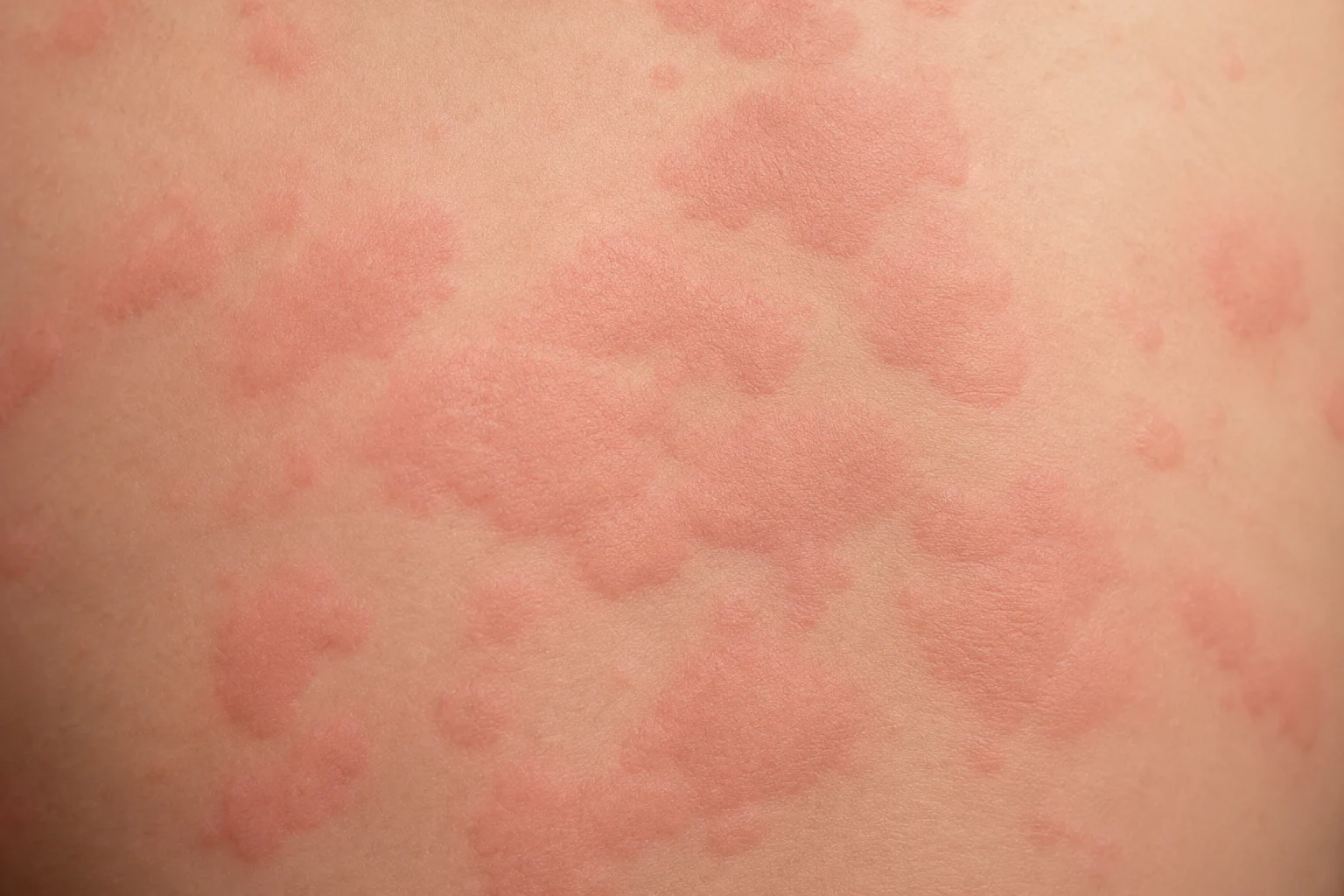
Hives in Children: Common Causes, Types, and When to Worry
Wondering why your child suddenly has itchy red welts on their skin? Learn the common causes of hives in children, the difference between acute and chronic urticaria, and when to seek care.
Ready to speak with a board-certified pediatric physician?
Get expert care for your child from the comfort of your home — no insurance required.