
Is It a Cold or Just Allergy Season?
Is your child sneezing nonstop or fighting a cold? Learn the key differences between seasonal allergies and a common cold, and when to reach out to a pediatrician.
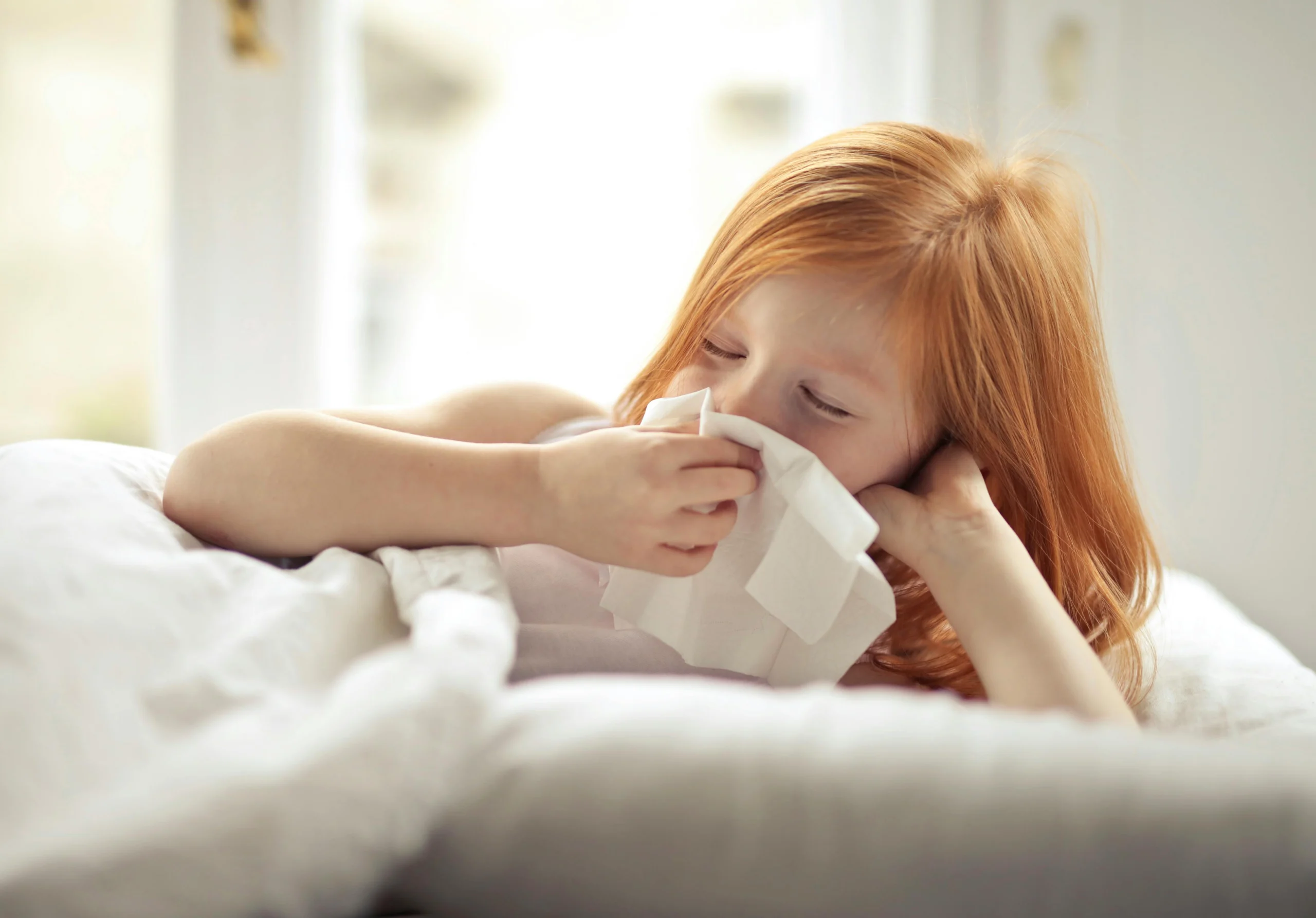
Spring arrives, and so does the sneezing. Your child wakes up with a runny nose, watery eyes, and a voice that sounds a little stuffier than usual. And just like that, you are standing in the bathroom wondering the same thing every parent wonders: is this a cold, or is allergy season back?
It is a fair question, and one that does not always have an obvious answer. Colds and seasonal allergies share a lot of the same symptoms, and in children, those symptoms can overlap enough to make even the most experienced parent second-guess what they are looking at.
But here is a simple framework that can help: think itch versus ache. If your child is mostly itchy, that is a clue. Itchy eyes, itchy nose, rubbing at the face, sneezing in clusters. Allergies tend to itch. Colds tend to ache. A sore throat, body tiredness, mild fever, and general discomfort lean more toward a cold. That single distinction can narrow things down faster than most parents expect.
You May Notice
Both colds and allergies can look the same in the first day or two. A child may have a runny nose, congestion, mild cough, and lower energy. But the pattern that follows is often the biggest clue.
With a cold, symptoms usually build over a couple of days, peak, and then slowly improve. The whole thing tends to run its course within a week to ten days. Your child may also have a low fever, sore throat, and body aches early on.
With seasonal allergies, the symptoms often stick around. They may come and go depending on the day, but they tend to follow the season rather than a timeline. A child may seem fine indoors and then start sneezing again after playing outside. Itchy, watery eyes are another strong signal. Colds rarely cause that kind of eye irritation, but allergies almost always do.
The Pattern Tells the Story
If your child has had the same stuffy nose for two weeks and it has not gotten worse or better, that pattern points more toward allergies. If symptoms showed up suddenly with a fever and seem to be slowly improving, that sounds more like a cold.
Another clue is timing. Does this happen every spring? Does it seem to show up when the pollen count is high? Does your child feel worse after spending time outdoors or on windy days? Allergies tend to follow a seasonal rhythm. Colds do not.
And if you notice your child rubbing their nose upward with the palm of their hand, that is sometimes called the allergic salute. It is a small thing, but it is one more clue that allergies may be playing a role.
What Can Make Allergy Symptoms Worse
Spring symptoms are often triggered by tree and grass pollen, which tends to be higher in the morning and on dry, windy days. Some children react more after playing outside, rolling in the grass, or being around freshly cut lawns.
Not every child reacts the same way. One child may mostly sneeze and have watery eyes. Another may deal more with congestion or a mild cough that lingers. What matters most is noticing the pattern and paying attention to what seems to make symptoms better or worse.
What Helps at Home
When symptoms seem mild, many parents start with simple steps at home while keeping an eye on how their child is doing overall. That may include keeping windows closed on high-pollen days, using air conditioning instead of opening windows, having your child wash their hands and face after being outside, and changing clothes after outdoor play. These small changes can make the season a little easier for kids who are sensitive to pollen.
Helping your child stay comfortable, well-rested, and hydrated matters too. If symptoms are manageable and your child is sleeping well, eating normally, and getting through the day without too much trouble, home support may be enough for the time being.
When It May Be Time to Reach Out
If symptoms keep coming back, start interfering with sleep, or make it hard for your child to get through school or play comfortably, it may be worth checking in with a pediatric provider. The same is true if your child has asthma and breathing seems more affected during allergy season, or if over-the-counter remedies are not making a noticeable difference.
Parents do not need to diagnose the difference between a cold and allergies on their own. What matters most is paying attention to what your child is experiencing, how long it has been going on, and whether it seems to be following a pattern.
When a child is not feeling well, having trusted pediatric support can make it easier to sort out what may be a passing illness and what may need a closer look. Whether you are trying to figure out if this is a seasonal pattern, looking for ways to help your child feel more comfortable, or simply wanting more confidence in what to do next, guidance can make the difference between guessing and knowing.
This is for educational purposes only and not a diagnosis or treatment plan.
More Articles
Related Reading

Jun 23, 2026
Why Is My Child Wheezing? Common Causes and When to See a Doctor
Hearing a whistling sound when your child breathes? Learn what commonly causes wheezing in infants and young children, and when it's time for medical attention.
Jun 23, 2026
Recognizing and Managing Asthma in Children: A Parent's Guide
Wondering if your child's cough or wheeze could be asthma? Learn how pediatric asthma is diagnosed, managed at home, and when to seek same-day care.
Apr 16, 2026
When a Child’s Stuffy Nose Lasts Longer Than Expected
Learn what parents should know when a child’s stuffy nose is not getting better, what may help at home, and when it may be time to reach out.
Ready to speak with a board-certified pediatric physician?
Get expert care for your child from the comfort of your home — no insurance required.