
Why Is My Child Wheezing? Common Causes and When to See a Doctor
Hearing a whistling sound when your child breathes? Learn what commonly causes wheezing in infants and young children, and when it's time for medical attention.

What Causes Wheezing in Children?
Wheezing happens when air moves through narrowed or partially blocked airways, creating that familiar whistling sound on exhale. In younger children, the airway itself is naturally smaller, which means even a small amount of swelling, mucus, or irritation can cause wheezing that wouldn't bother an older child or adult with more room in the airway to work with. A common cause of wheezing in infants and young children is a viral infection, especially during the first year of life when the immune system and airways are both still developing. Other possible causes include:- Bronchiolitis, often caused by respiratory syncytial virus (RSV)
- Asthma or asthma-like symptoms
- Allergies, including reactions to dust mites
- A foreign object that's partially blocking the airway
- Upper respiratory infections that trigger excess mucus
Is Wheezing the Same Thing as Asthma?
Not always, and this is one of the most common points of confusion for parents. While asthma and wheezing are closely linked, especially in older children, doctors do not diagnose asthma in every child who wheezes. Wheezing in young children is frequently tied to a viral illness rather than asthma, and many children outgrow episodic wheezing entirely as their airways grow, widen, and mature over the first few years of life. That said, a family history of asthma or frequent episodes of wheezing in infants and young children can be a risk factor for respiratory issues later on. Children with recurrent wheezing, meaning several separate episodes rather than a single illness, are more likely to be considered in the differential diagnosis for asthma as they get older and symptoms persist beyond what's typical for their age. It's also worth knowing that wheezing alone, without other signs like a chronic cough or symptoms between illnesses, doesn't necessarily point to anything long-term. Many toddlers wheeze with colds for a season or two and then stop entirely.How Do Doctors Diagnose the Cause of Wheezing?
Diagnosis of wheezing usually starts with listening to your child's breathing and asking about patterns, since coughing and wheezing together can point toward different causes than wheezing on its own. Providers will often ask when the wheezing started, how long episodes typically last, what time of year they happen, and whether anything seems to trigger them, like exercise, cold air, or being around pets. For most infants, a viral cause like bronchiolitis is the main cause and doesn't require extensive testing beyond a physical exam. According to the Merck Manual, the type and timing of symptoms help guide whether further evaluation, such as pulmonary function testing, is needed, though this is generally reserved for older children who are able to participate in the testing reliably. Younger children typically can't follow the breathing instructions these tests require.What Does Treatment for Wheezing Look Like?
Treatment of wheezing depends heavily on the underlying cause, so there's no single approach that fits every child. For wheezing tied to a viral infection, supportive care at home, like fluids, rest, saline drops, and keeping airways clear, is often enough while the virus runs its course over several days. When wheezing is related to asthma or appears to be triggered by airway inflammation, a doctor may recommend a bronchodilator to help open the airways quickly during an episode, or in some cases a corticosteroid to reduce inflammation over a longer stretch of time. Medications may also be used for children with persistent symptoms that don't respond well to other treatments alone. If wheezing is severe, meaning your child is working hard to breathe, looks pale or bluish around the lips, or can't speak, cry, or feed normally, that warrants immediate medical attention rather than a wait-and-see approach at home. These are signs the airway may be significantly restricted and need prompt evaluation.Support at Home Matters, but So Does Guidance
Most wheezing episodes in children are manageable with rest, comfort, and close attention at home, especially when tied to a common cold. Keeping a simple note of when symptoms happen, how long they last, and what seems to trigger wheezing at home can also give your child's doctor helpful information to work with at the next visit, rather than trying to recall details days later. If your child's wheezing seems to be getting worse, isn't improving with the usual care you've tried, or you're simply looking for diagnosis and answers about what's causing it in the first place, a board-certified doctor can help, often the same day, without needing to leave home or sit in a waiting room. This blog is for informational purposes only and is not a substitute for professional medical advice, diagnosis, or treatment. Always consult your child's doctor or a qualified healthcare provider with any questions you may have regarding a medical condition.More Articles
Related Reading
Jun 23, 2026
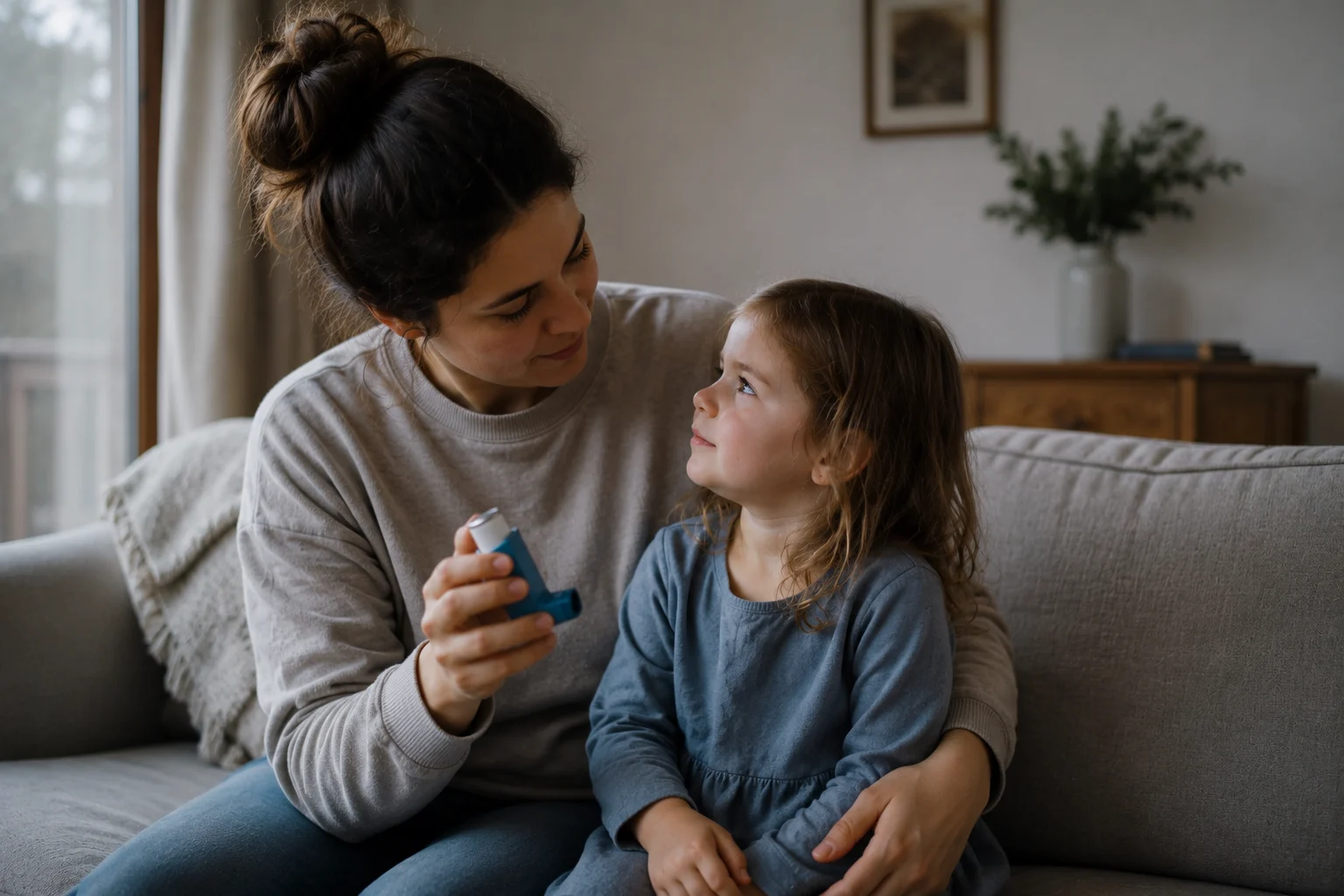
Recognizing and Managing Asthma in Children: A Parent's Guide
Wondering if your child's cough or wheeze could be asthma? Learn how pediatric asthma is diagnosed, managed at home, and when to seek same-day care.
Apr 18, 2026
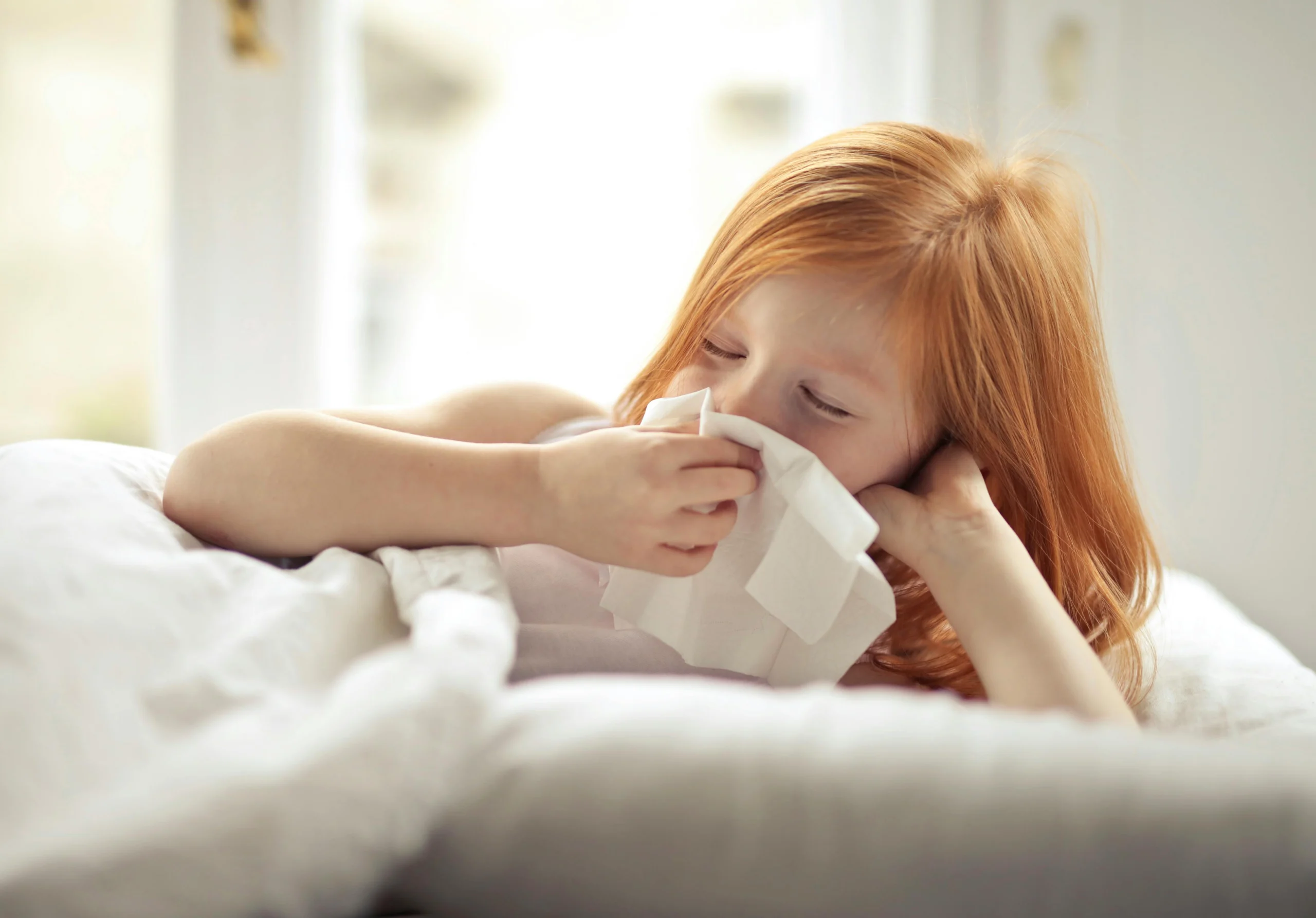
Is It a Cold or Just Allergy Season?
Is your child sneezing nonstop or fighting a cold? Learn the key differences between seasonal allergies and a common cold, and when to reach out to a pediatrician.
Apr 16, 2026
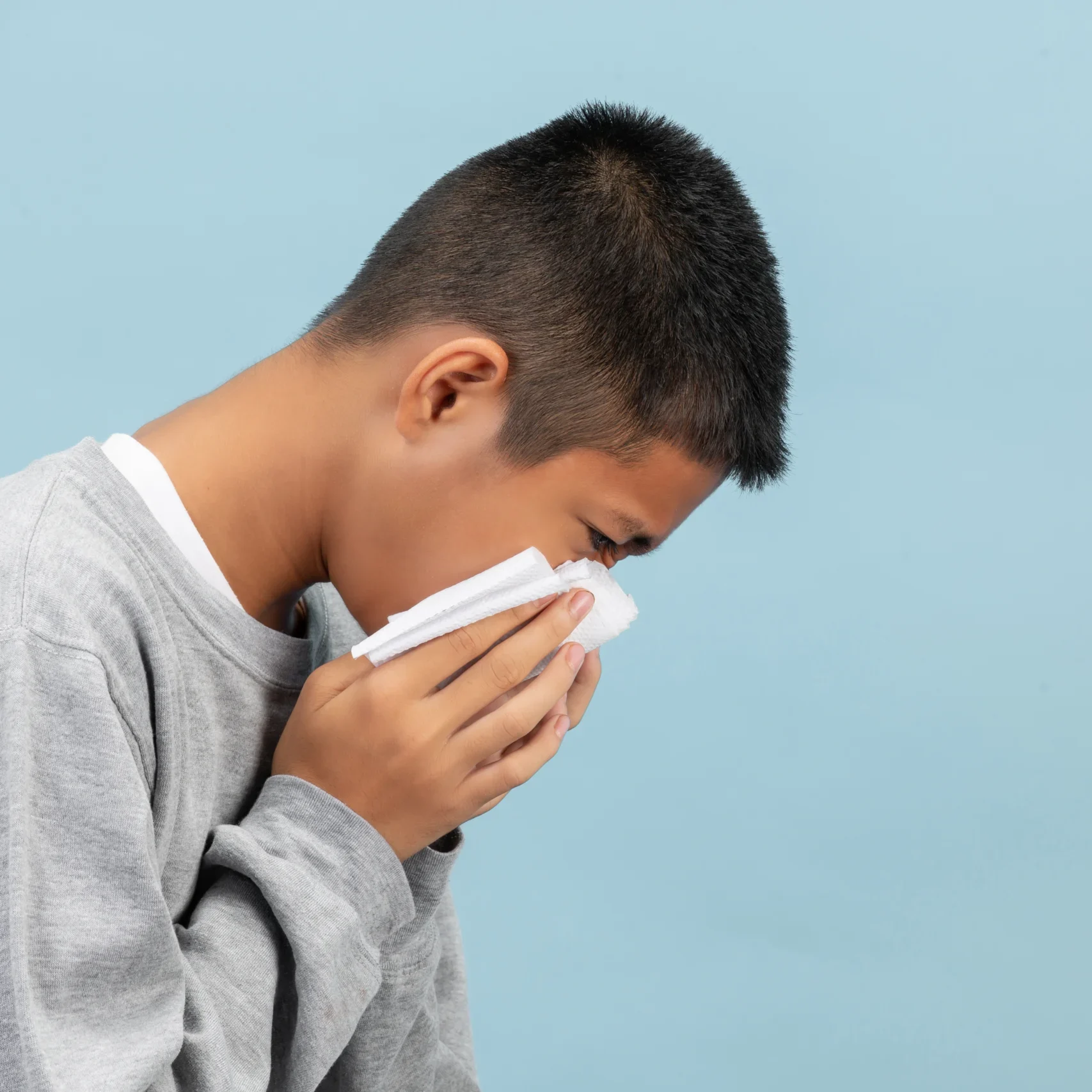
When a Child’s Stuffy Nose Lasts Longer Than Expected
Learn what parents should know when a child’s stuffy nose is not getting better, what may help at home, and when it may be time to reach out.
Ready to speak with a board-certified pediatric physician?
Get expert care for your child from the comfort of your home — no insurance required.