
Recognizing and Managing Asthma in Children: A Parent's Guide
Wondering if your child's cough or wheeze could be asthma? Learn how pediatric asthma is diagnosed, managed at home, and when to seek same-day care.
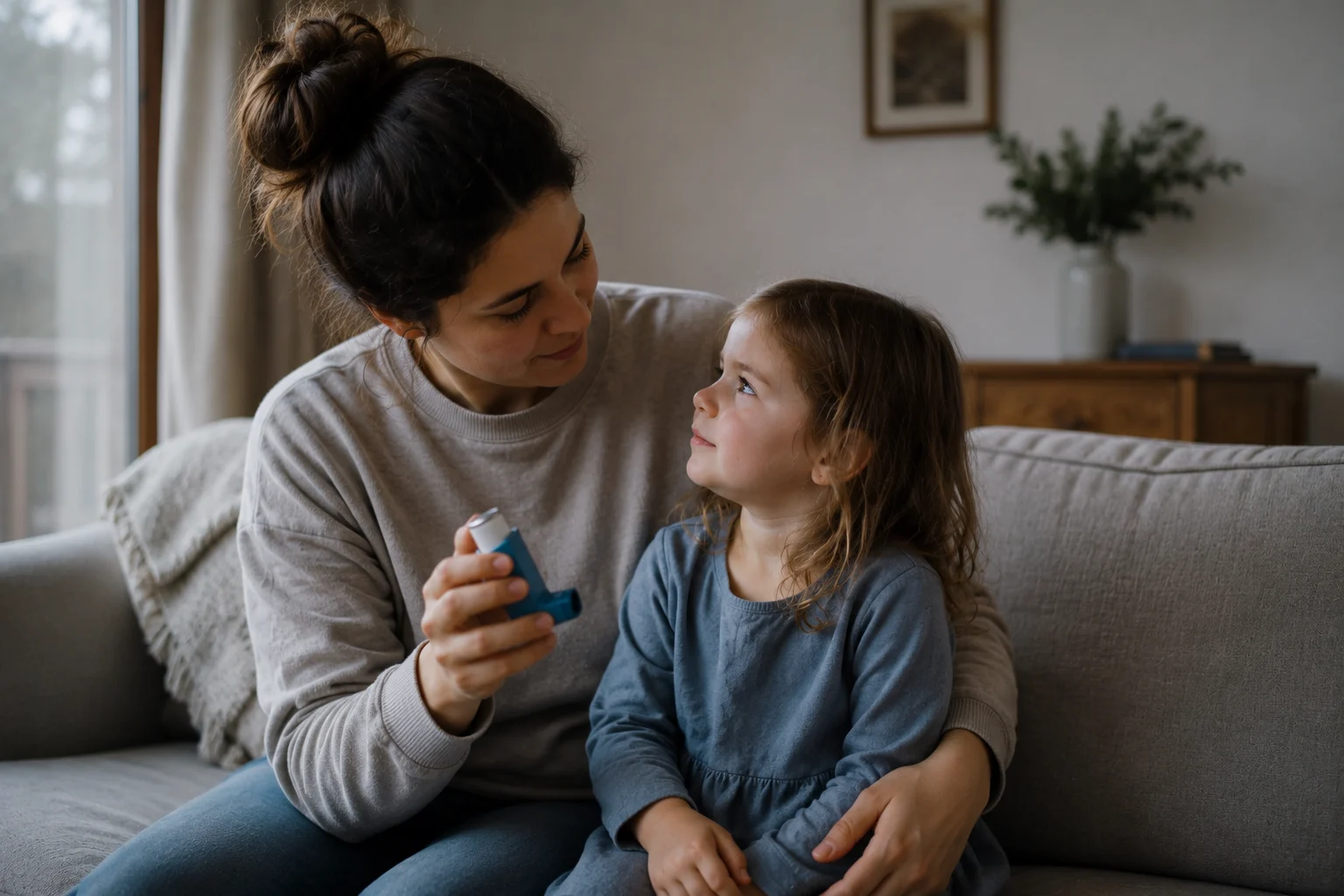
What Does Asthma Look Like in Children?
Asthma is a chronic respiratory condition that affects the airways in the lungs, causing them to narrow and become inflamed. In children, asthma symptoms often include a persistent cough, wheezing, shortness of breath, or a tight feeling in the chest. Asthma in young children can be harder to recognize because toddlers and infants can't always describe what they're feeling. Common signs parents may notice include:- A cough that worsens at night or with activity
- Wheezing or a whistling sound when breathing
- Rapid breathing or visible effort to breathe
- Frequent respiratory illnesses that seem to linger
How Is Pediatric Asthma Severity Classified?
Once a diagnosis of asthma is confirmed, providers typically look at how often symptoms occur and how much they interfere with daily life. Classifying asthma severity helps determine the right treatment options, ranging from occasional symptom relief to daily long-term asthma medications. Guidelines from the National Heart, Lung, and Blood Institute outline categories from intermittent to severe asthma, based on factors like symptom frequency, nighttime awakenings, and how often a child needs quick-relief medication. An asthma severity score isn't something parents need to calculate themselves, but understanding that asthma exists on a spectrum can help explain why two children with asthma might have very different treatment plans.What Does Everyday Asthma Management Involve?
For most school-aged children, managing asthma well means identifying triggers, following a personalized asthma action plan, and using medications as prescribed. Components of asthma management often include both long-term control medications, like an inhaled corticosteroid, and quick-relief options for sudden symptoms. Common asthma triggers include:- Respiratory infections like colds
- Exposure to smoke, dust, or strong odors
- Cold air or sudden temperature changes
- Physical activity or exercise
- Seasonal allergens
When Is It an Asthma Exacerbation That Needs Immediate Care?
An asthma exacerbation, sometimes called an asthma attack, happens when symptoms suddenly worsen and don't respond to usual quick-relief treatment. A severe asthma exacerbation can escalate quickly, especially in infants and young children, so knowing the warning signs matters. Signs that may mean an emergency department visit is needed include difficulty speaking in full sentences due to shortness of breath, blue or gray lips, or symptoms that don't improve after using rescue medication. Pediatric emergency care exists for exactly these moments, and it's always better to err on the side of caution with breathing concerns. For symptoms that are uncomfortable but not life-threatening, a same-day virtual visit can help you decide whether your child needs in-person or emergency care, or whether adjustments to their current treatment plan are enough.Support at Home Matters, but So Does Guidance
Living with childhood asthma often becomes part of a family's daily routine, from morning medication to checking the air quality before outdoor play. That consistency at home makes a real difference, but ongoing guidance from a provider matters just as much, especially as your child grows and their needs change. If you're noticing new or worsening respiratory symptoms, or just want a second opinion on your child's current asthma care plan, a board-certified doctor can help you sort through next steps without the wait of an in-person appointment. This blog is for informational purposes only and is not a substitute for professional medical advice, diagnosis, or treatment. Always consult your child's doctor or a qualified healthcare provider with any questions you may have regarding a medical condition.More Articles
Related Reading

Jun 23, 2026
Why Is My Child Wheezing? Common Causes and When to See a Doctor
Hearing a whistling sound when your child breathes? Learn what commonly causes wheezing in infants and young children, and when it's time for medical attention.

Apr 18, 2026
Is It a Cold or Just Allergy Season?
Is your child sneezing nonstop or fighting a cold? Learn the key differences between seasonal allergies and a common cold, and when to reach out to a pediatrician.

Apr 16, 2026
When a Child’s Stuffy Nose Lasts Longer Than Expected
Learn what parents should know when a child’s stuffy nose is not getting better, what may help at home, and when it may be time to reach out.
Ready to speak with a board-certified pediatric physician?
Get expert care for your child from the comfort of your home — no insurance required.