
Seasonal Allergies in Children: Pediatrics Guide to Spring Allergies
Is your child experiencing seasonal allergies? This pediatrics guide covers spring allergies in children. Learn about allergy symptoms and limit pollen exposure.
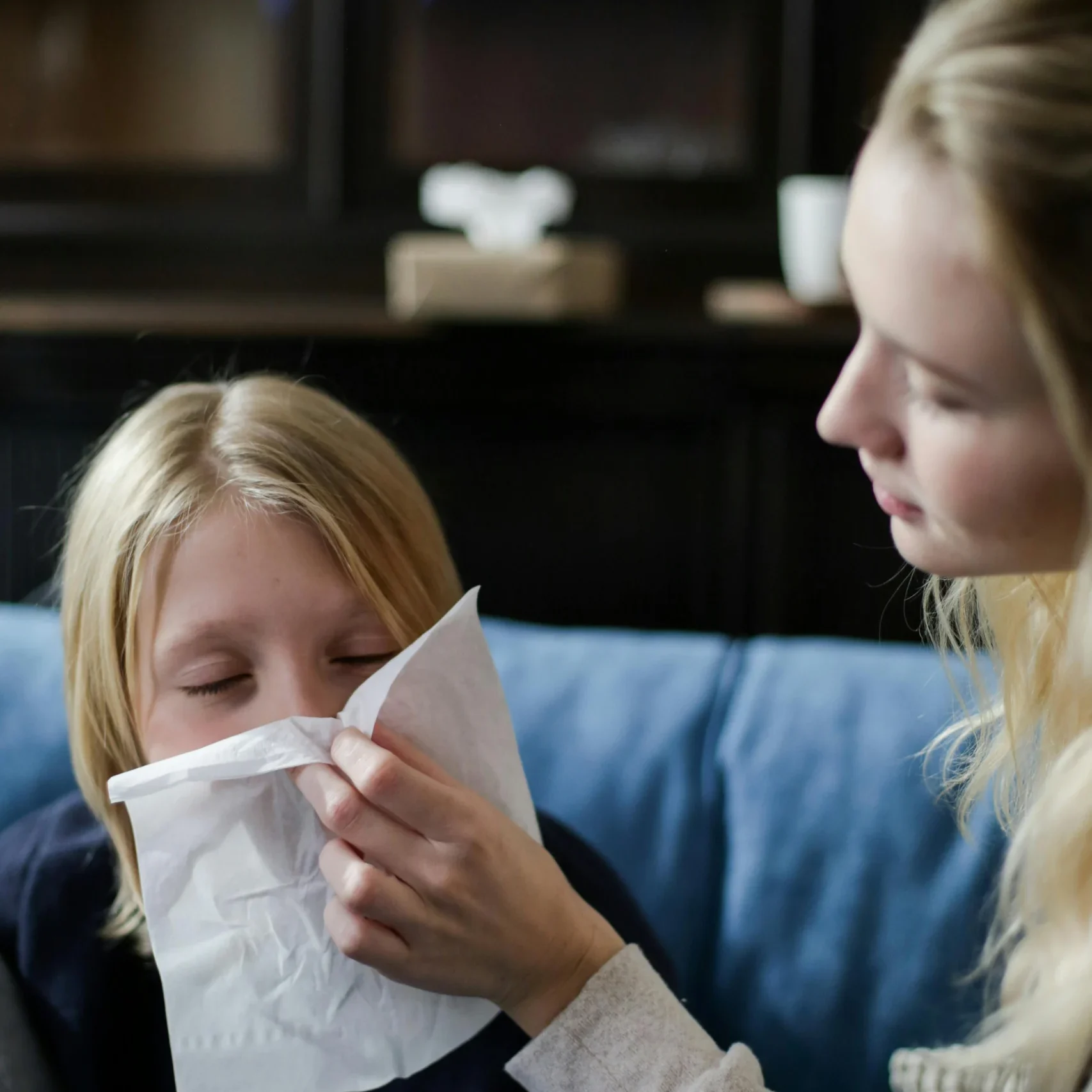
Spring can bring more time outside, but for many families, it also brings sneezing, itchy eyes, and stuffy noses that seem to show up again and again. For some children, these symptoms follow a pattern. They may seem fine most of the year, then start feeling uncomfortable once spring arrives.
This is often what makes allergies confusing. The symptoms can look a lot like a cold, especially at first. A child may have a runny nose, watery eyes, or congestion, and parents may not be sure whether it is a short illness or something seasonal.
## You May Notice- sneezing
- itchy eyes
- watery eyes
- runny nose
- stuffy nose
- throat clearing
- mild cough
- lower energy
When symptoms seem mild, many parents start with simple steps at home while keeping an eye on how their child is doing overall.
That may include:
- keeping windows closed on high-pollen days
- using air conditioning instead of opening windows
- having your child wash their hands and face after being outside
- changing clothes after outdoor play
- keeping an eye on whether symptoms seem worse after time outside
- helping your child rest and stay comfortable
Sometimes those small changes are enough to make the season a little easier.
## Some Allergy Symptoms Can Look Like a ColdOne of the hardest parts for parents is figuring out whether symptoms are from a cold or from allergies. Both can come with a runny nose, congestion, and sneezing. The difference is often in the pattern.
A cold usually improves over time. Allergies often stick around longer or come back during the same season. Itching is another clue. If your child has itchy eyes or seems to rub their nose and eyes often, allergies may be more likely.
## What Makes Symptoms WorseSpring symptoms are often triggered by things in the environment, especially pollen. Some children seem worse after spending more time outdoors. Others may seem more uncomfortable on windy days or after playing outside for a while.
Not every child reacts the same way. One child may mostly sneeze and have watery eyes. Another may deal more with congestion or a mild cough. What matters most is noticing the pattern and paying attention to what seems to make symptoms better or worse.
## It May Be Worth Reaching Out If- symptoms keep coming back
- your child is not sleeping well because of them
- congestion or itchy eyes are becoming hard to manage
- symptoms seem to interfere with school, play, or daily comfort
- your child has asthma and breathing seems more affected
- something just does not feel right
For many families, the question is not only whether it is allergies. It is how to help their child feel better and when to ask for more support. Parents also want practical guidance that helps them get through the season with less discomfort and less second-guessing.
Sometimes home changes are enough. Other times, families may need help deciding whether to try allergy medicine or whether a child’s symptoms should be looked at more closely.
## Support at Home Matters, but So Does GuidanceSpring symptoms can be frustrating, especially when they keep coming back and start affecting sleep, comfort, or time outdoors. While simple changes at home can help, parents should not feel like they have to figure it all out on their own.
When a child is not feeling well, having trusted pediatric support can make it easier to sort out what may be reasonable to manage at home and what may need more attention. Parents may be trying to figure out whether symptoms follow a seasonal pattern, looking for ways to help their child feel more comfortable, or simply wanting more confidence about what to do next.
In moments like these, access to pediatric guidance can help parents feel more supported and more certain about when to keep watching and when to reach out.
This is for educational purposes only and not a diagnosis or treatment plan.
More Articles
Related Reading

Jun 23, 2026
Why Is My Child Wheezing? Common Causes and When to See a Doctor
Hearing a whistling sound when your child breathes? Learn what commonly causes wheezing in infants and young children, and when it's time for medical attention.
Jun 23, 2026
Recognizing and Managing Asthma in Children: A Parent's Guide
Wondering if your child's cough or wheeze could be asthma? Learn how pediatric asthma is diagnosed, managed at home, and when to seek same-day care.
Apr 18, 2026
Is It a Cold or Just Allergy Season?
Is your child sneezing nonstop or fighting a cold? Learn the key differences between seasonal allergies and a common cold, and when to reach out to a pediatrician.
Ready to speak with a board-certified pediatric physician?
Get expert care for your child from the comfort of your home — no insurance required.