
When to Watch a Child’s Cough and When to Reach Out
Learn what a child’s cough may look like at home, what can help, and when it may be time to seek care.

A cough is one of the most common reasons parents start wondering whether their child has a simple cold or whether it may be time to take your child to the doctor. In many cases, a cough is part of a mild illness and gets better with rest, fluids, and time. In other cases, the cough may last longer, sound harsher, or come with fever or lower energy that makes parents pause.
That is often the hardest part. It is not always easy to tell the difference between a common cold and something that may need more attention. Most parents are not looking for a perfect diagnosis. They want to know what may be normal, what may help your child feel better, and when it may be time to see a doctor.
## You May NoticeChildren can have different types of coughs. Some coughs are dry. Some sound wet or chesty. Some happen more at night. Some come with a cold, congestion, or lower appetite. A toddler may not explain exactly what feels wrong, so parents often look at the full picture, not just the cough itself.
- dry cough
- wet cough
- coughing at night
- cough with a cold
- cough with fever
- barking cough
- coughing spells
- low energy or fussiness
When symptoms seem mild, many parents start with simple care at home while paying attention to how their child is doing overall. If the cough is not severe and your child is still drinking, resting, and breathing comfortably, it may be reasonable to keep monitoring things at home.
- rest
- fluids
- simple foods
- comfort care
- close monitoring
- checking breathing and energy levels
Many coughs in children happen during a cold. A child may also have a runny nose, sore throat, mild congestion, or lower appetite. In those situations, parents often focus on comfort and observation. Time is often part of recovery.
## When to Take Your Child to the DoctorSome coughs sound more concerning than others. A barking cough may make parents think about croup, especially if it seems worse at night. A cough that comes in strong coughing fits may make parents wonder about whooping cough. Other coughs may simply happen as part of a common illness. Parents do not need to sort out every cause on their own. What matters most is how the child is acting, breathing, and recovering.
It may be worth reaching out if:
- your child has a cough and fever that is not improving
- breathing seems faster, harder, or more uncomfortable
- your child is not drinking well
- your toddler seems unusually tired or less interested in normal activities
- the cough interrupts sleep
- cough sounds harsh, barking, or unusual
- cough lasts longer than expected
For many families, the question is not only whether the cough is serious. It is whether they should continue watching, call primary care, or take your child to the doctor sooner. That uncertainty is very common. Parents often want reassurance, but they also want clear guidance.
This can feel even more stressful with a toddler or younger child who cannot explain what hurts. A parent may only notice clinginess, poor sleep, lower appetite, crying, or unusual tiredness.
Helping your child through a cough often starts with simple support at home. But parents should not feel like they have to sit with uncertainty when a cough changes, lingers, or begins to raise more concern.
When a child is not feeling well, having trusted pediatric support can make it easier to tell what may be reasonable to keep monitoring at home and what may need a closer look. In moments like these, access to guidance can help parents feel more confident about when to keep watching, when to reach out, and when it may be time to see a doctor.
This is for educational purposes only and not a diagnosis or treatment plan.
More Articles
Related Reading

Jun 23, 2026
Why Is My Child Wheezing? Common Causes and When to See a Doctor
Hearing a whistling sound when your child breathes? Learn what commonly causes wheezing in infants and young children, and when it's time for medical attention.
Jun 23, 2026
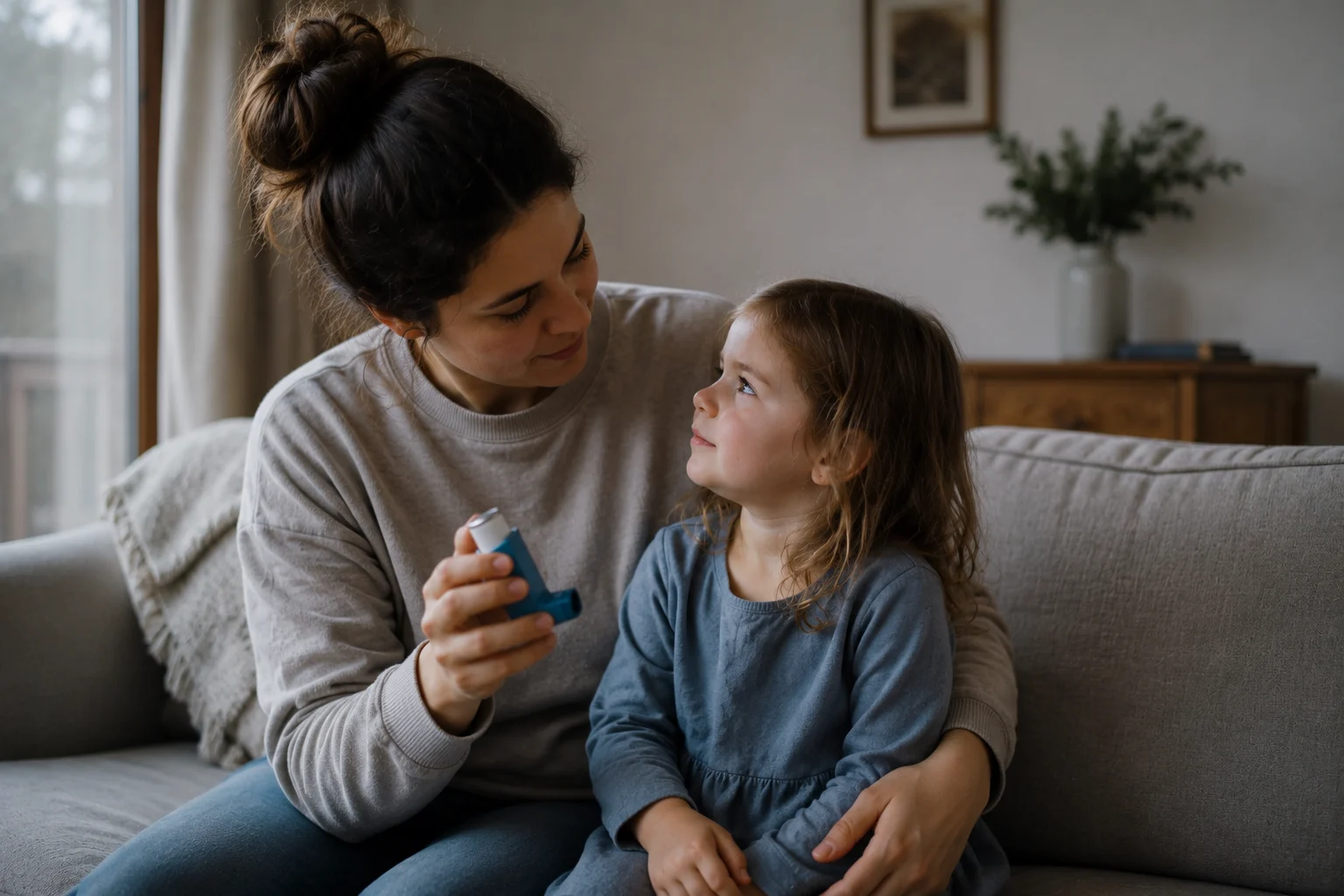
Recognizing and Managing Asthma in Children: A Parent's Guide
Wondering if your child's cough or wheeze could be asthma? Learn how pediatric asthma is diagnosed, managed at home, and when to seek same-day care.

Apr 18, 2026
Is It a Cold or Just Allergy Season?
Is your child sneezing nonstop or fighting a cold? Learn the key differences between seasonal allergies and a common cold, and when to reach out to a pediatrician.
Ready to speak with a board-certified pediatric physician?
Get expert care for your child from the comfort of your home — no insurance required.